
You must have noticed that in the past few years,z the way businesses use technology has transformed. The SaaS industry has shifted companies from heavy on-premise systems to flexible, cloud-powered solutions. If you’re a business owner, investor, or tech enthusiast, this blog provides a clear, insight-driven view of the SaaS industry, highlight the top SaaS companies to watch in 2025 and showing how they are driving growth, boosting scalability, and shaping the future of innovation.

Looking for New SaaS Software?
Check out Techimply's best new saas software for your business.
What are SaaS Companies?
A SaaS company refers to a business that provides software over the internet rather than installing it on your computer. This is just like having an app online which you may open anywhere, anytime. With SaaS, you can easily get things done, collaborate with your team or even operate certain operations of your business without the need to have very complicated configurations.
How SaaS companies work: The software is stored in the cloud and you access it by subscription, be it on a monthly or annual plan without having to consider installations or updates, or security. For companies looking to access premium SaaS tools at reduced costs, platforms like JoinSecret offer exclusive deals and discounts on popular software subscriptions. It implies that the tools are updated and always ready to be used.
Several SaaS startups and other SaaS providers develop applications about email and project management, accounting and design. The example of popular SaaS is Zoom, Canva and Dropbox. Basically, a SaaS company will sell you an easy-to-use pre-made software that assists you in achieving work with less effort.
Benefits of SaaS Companies
-
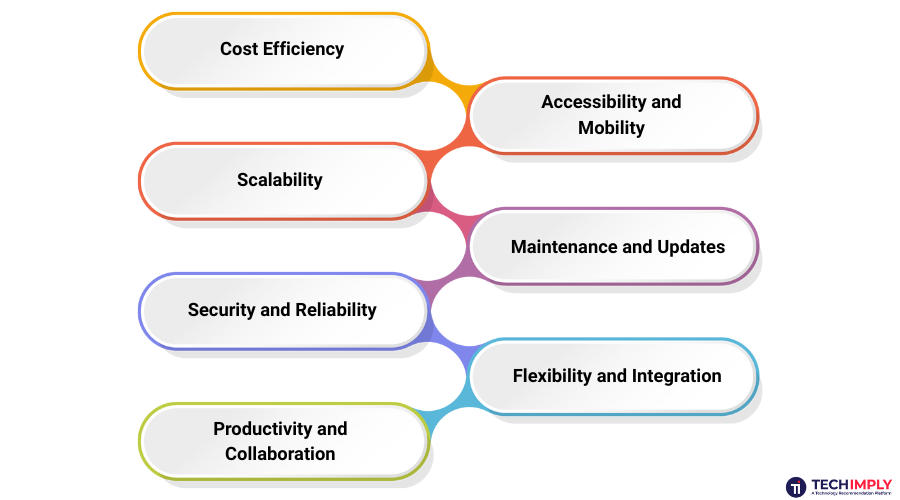
Cost Efficiency
A major advantage of a SaaS company is cost savings. You don’t have to buy expensive software or hardware upfront. Rather, you make a subscription that is often less expensive and predictable. This enables all the businesses to use the most updated tools without straining the budget. It also gives start ups and small businesses an opportunity to compete with bigger entities without investing heavily.
-
Accessibility and Mobility
SaaS solutions allow you to use your software wherever there is an internet connection. You are able to work at any place either using a laptop, tablet or smartphone. This is the mobility that will ensure you are connected and productive irrespective of your location. It makes sure that your team is able to work harmoniously within or even between cities or even countries.
-
Scalability
Scalability is one of the most important advantages in the developing SaaS market. SaaS solutions are simple to expand as your business expands. You are able to add users and features, or storage without complex installations and additional infrastructure. This is flexible and hence can easily adapt to the changing business demands.
-
Maintenance and Updates
Under SaaS, maintenance and updating is done by the provider. You never have to worry about the new features or, security patches, but you get them automatically and this saves time and minimizes headaches in IT. This implies that your business will always be using the most updated and safe version of the software.
-
Security and Reliability
The best SaaS firms in India and around the world spend a lot on security. The security of your data is ensured in cloud with back-up systems, and you do not have to worry about losing valuable data. Constant and reliable operation means that you will not have any surprises that can disrupt your operations.
Looking for Saas Management Software?
Check out Techimply's best Saas Management Tools for your business.
-
Flexibility and Integration
SaaS applications are scalable and can be worked with other existing tools. This will enable you to establish a related workflow, which facilitates business activities to be smoother and efficient. It also assists the businesses to scale their tech stack to meet the tailored processes and objectives.
-
Productivity and Collaboration
SaaS tools facilitate collaboration. These applications assure that teams will operate together to make any project productive regardless of geographical locations and time due to its features that include shared workspaces, real time editing and instant communication. Examples of SaaS providers of these functions are Zoom, Slack, and Google Workspace. These are such tools that allow employees to work well even in situations where they are not present at the office or claim to be working at home.
The Top 50+ SaaS Companies (2025)
SaaS stands for software-as-a-service, meaning software delivered on the cloud on a subscription basis. Many of the Indian entries Zoho, Freshworks, Keka, WebEngage, Agile CRM are among the best SaaS companies in India. These platforms illustrate what SaaS means – delivering software over the Internet (cloud) rather than on local servers.
1. Microsoft
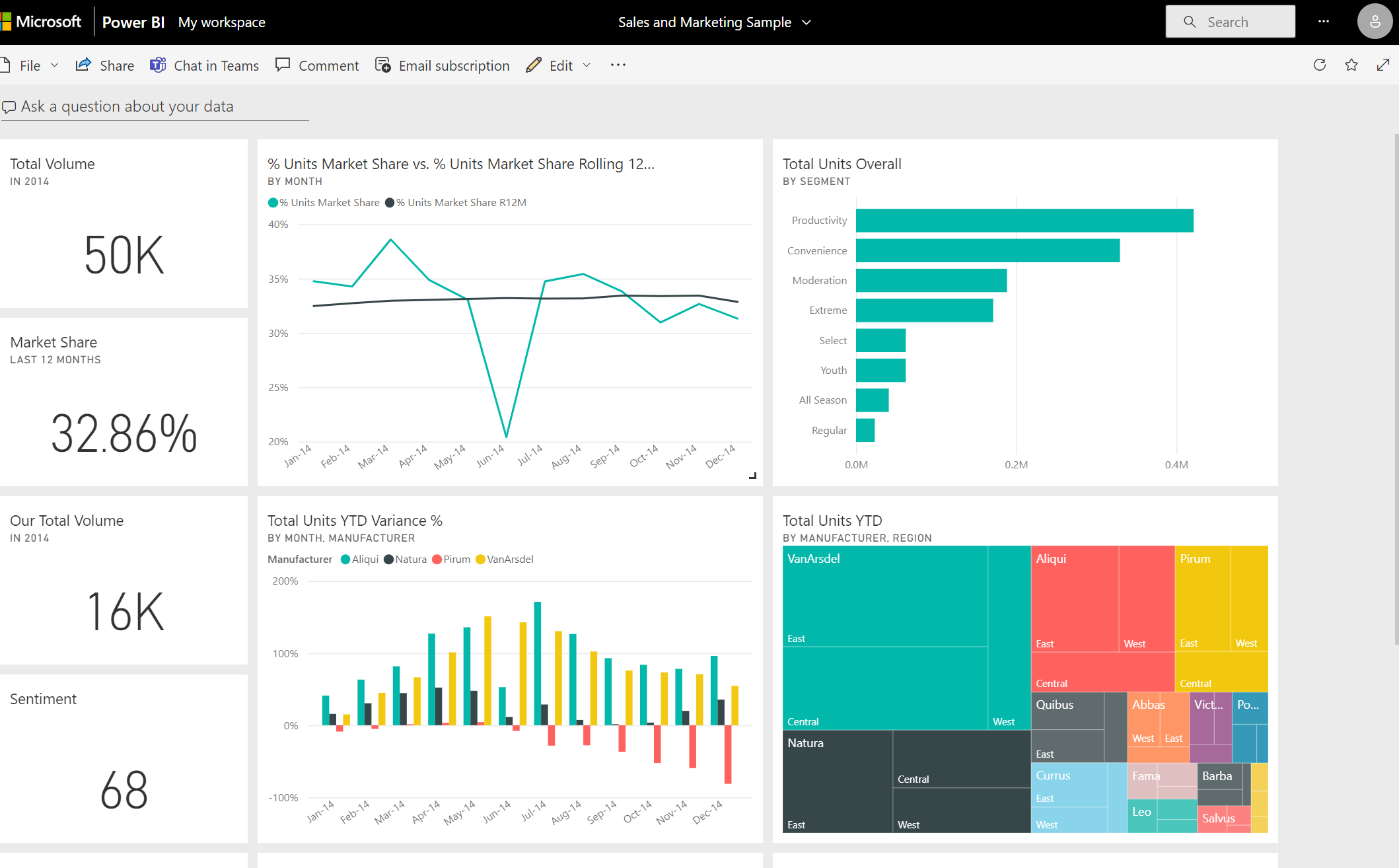
Microsoft is a massive technology corporation with such products as windows (the computer operating system), Microsoft office (word, excel, powerpoint), Azure (cloud services), and Xbox (gaming). Most of its products are provided based on the cloud, such as Microsoft 365 and Dynamics 365.
Bill Gates and Paul Allen are the founders of the company, which was established in 1975, and the current CEO is Satya Nadella. In 2025, Microsoft earned approximately 281.7 billion incomes. It employs approximately 228,000 people and has a valuation of approximately 3.8 trillion. It has a monthly visit of approximately 1.2 billion to its website.
-
Founded: April 4, 1975
-
HQ: Redmond, Washington, USA
-
CEO: Satya Nadella
-
Market Cap: ~$3.83 trillion (2025)
-
Revenue: $281.7 billion (FY2025)
-
Employees: ~228,000
-
Monthly Visitors: 1.2 B
2. Salesforce
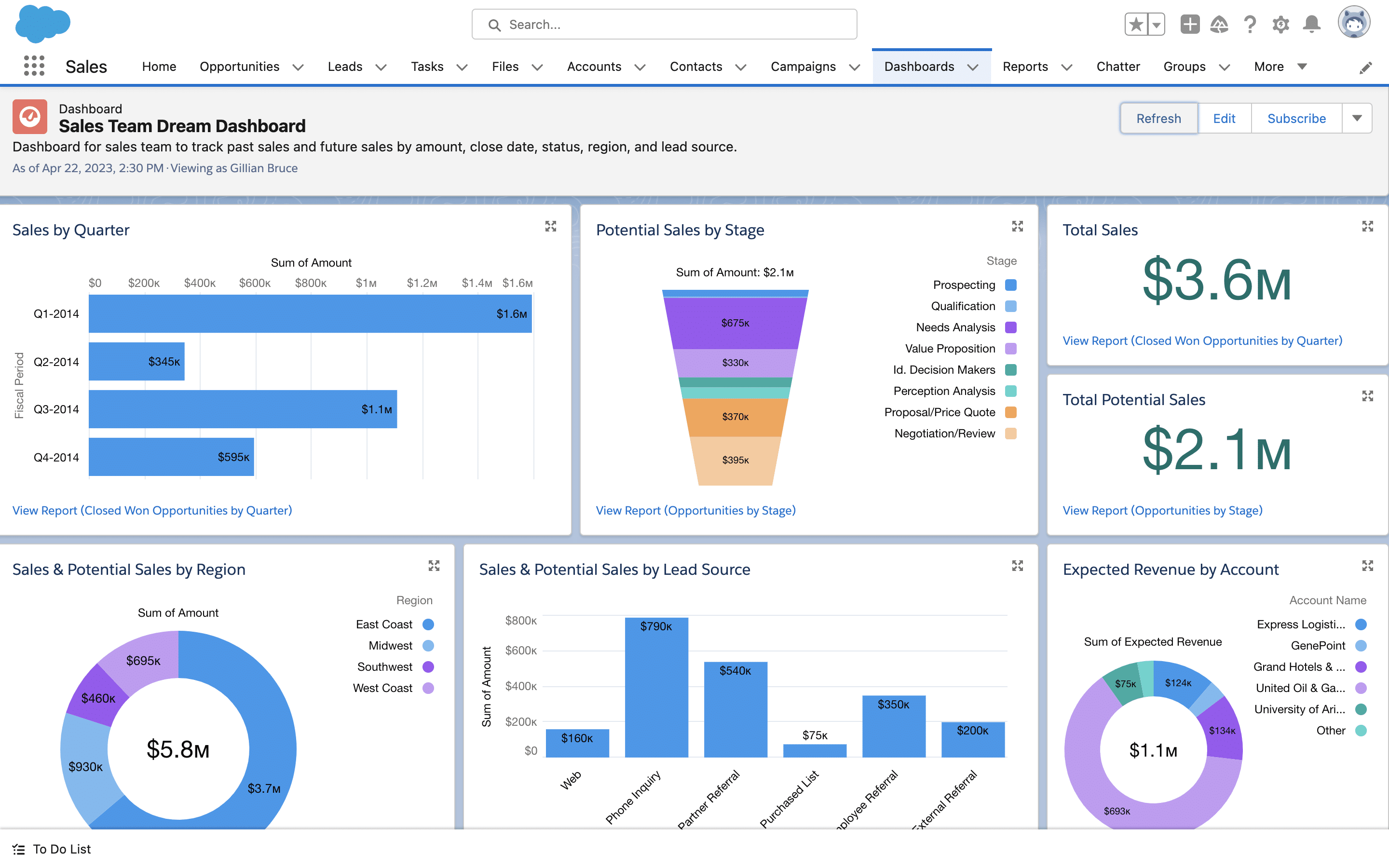
Salesforce is a major technology firm which developed cloud-based CRM programs- tools that assist businesses in handling their customers. It offers online sales, customer service, marketing, as well as analytics. Marc Benioff, the current CEO of the company, started the company in 1999. Salesforce can be called one of the best SaaS firms in the world. It is estimated to be worth approximately 238 billion dollars, generates approximately 37.9 billion worth of revenue in 2025 and employs approximately 76500 people. It has a monthly traffic of approximately 97 million on its site.
-
Founded: Mar 8, 1999
-
HQ: San Francisco, CA, USA
-
CEO: Marc Benioff
-
Market Cap: ~$238 billion (Sept 2025)
-
Revenue: $37.89 billion (FY2025)
-
Employees: 76,453
-
Monthly Visitors: 97.1 M
3. Adobe
Adobe is a leading business enterprise of creative application by workers globally. Its iconic products, Photoshop, Illustrator, and Acrobat, can now be accessed mostly online with Creative Cloud and Document Cloud, and be able to work anywhere with ease.
In 2024, Adobe has 30, 700 employees and a generated revenue of 21.5 billion dollars. The company is estimated to be worth approximately 147 billion dollars and the location of this firm is visited by over 325 million people each month and this indicates the global presence and influence of the company. Adobe is a combination of innovation and cloud computing, which offered individuals and businesses with the tools of innovation, creation and effective collaboration.
-
Founded: Dec 1982
-
HQ: San Jose, CA, USA
-
CEO: Shantanu Narayen
-
Market Cap: ~$147.1 billion (Oct 2025)
-
Revenue: $21.51 billion (FY2024)
-
Employees: 30,709
-
Monthly Visitors: 325.8 M
4. Atlassian
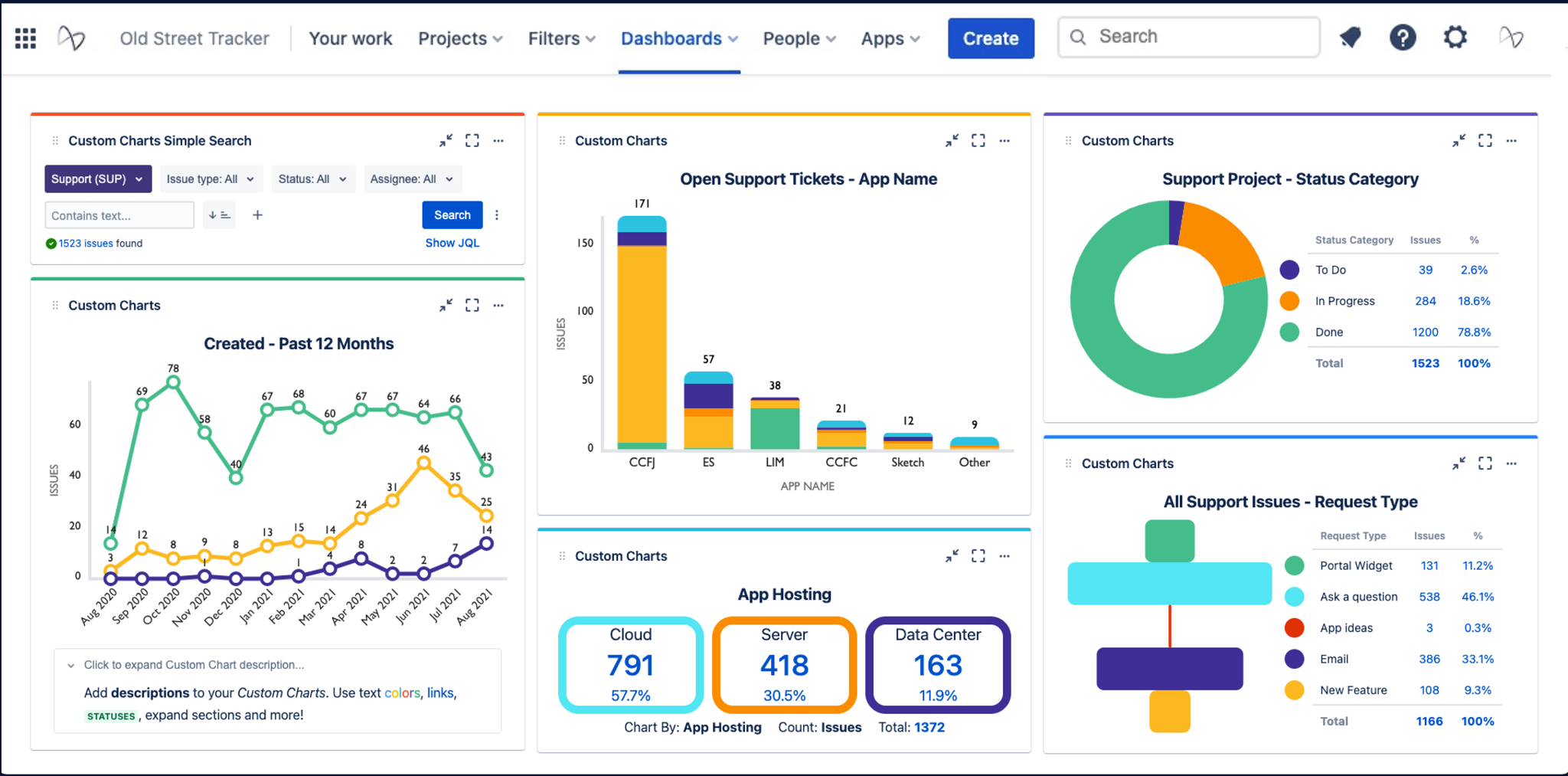
Atlassian develops software that enables teams to collaborate and control project management. Its most popular tools are Jira (task tracking), Confluence (team wiki), and Trello (work organization in boards).
Mike Cannon-Brookes is the CEO of the company that began in 2002 in Australia. Atlassian earned an estimate of 5.22 billion in 2025, employs approximately 13,800 workers and its valuation is 39.6 billion. It has a monthly traffic of about 30 million on its site.
-
Founded: 2002
-
HQ: Sydney, Australia (and SF, USA)
-
CEO: Mike Cannon-Brookes
-
Market Cap: ~$39.6 billion (Oct 2025)
-
Revenue: $5.22 billion (FY2025)
-
Employees: 13,813
-
Monthly Visitors: 30.1 M
5. Shopify
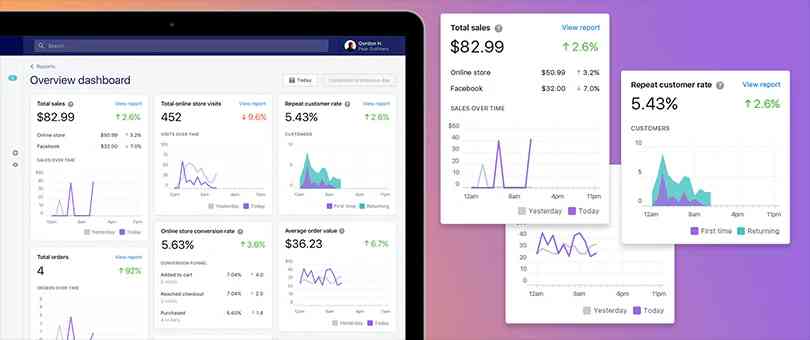
Shopify is an online store that assists individuals to build and manage stores as well as in retail stores over the internet. It simplifies web management, online payments and stock management. Tobias Lutzke who is also the CEO is the founder of the company which was initiated in 2006. Shopify is a 2024-year-old company, bringing in a revenue of $8.88 billion with approximately 8,100 employees, and is worth $196.6 billion. It has approximately 177 million monthly visitors to its web site.
-
Founded: 2006
-
HQ: Ottawa, Canada
-
CEO: Tobias Lütke
-
Market Cap: ~$196.6 billion (2025)
-
Revenue: $8.88 billion (2024)
-
Employees: 8,100
-
Monthly Visitors: 176.7 M
Looking for Spend Management Software?
Check out Techimply's best saas spend management software for your business.
6. Canva
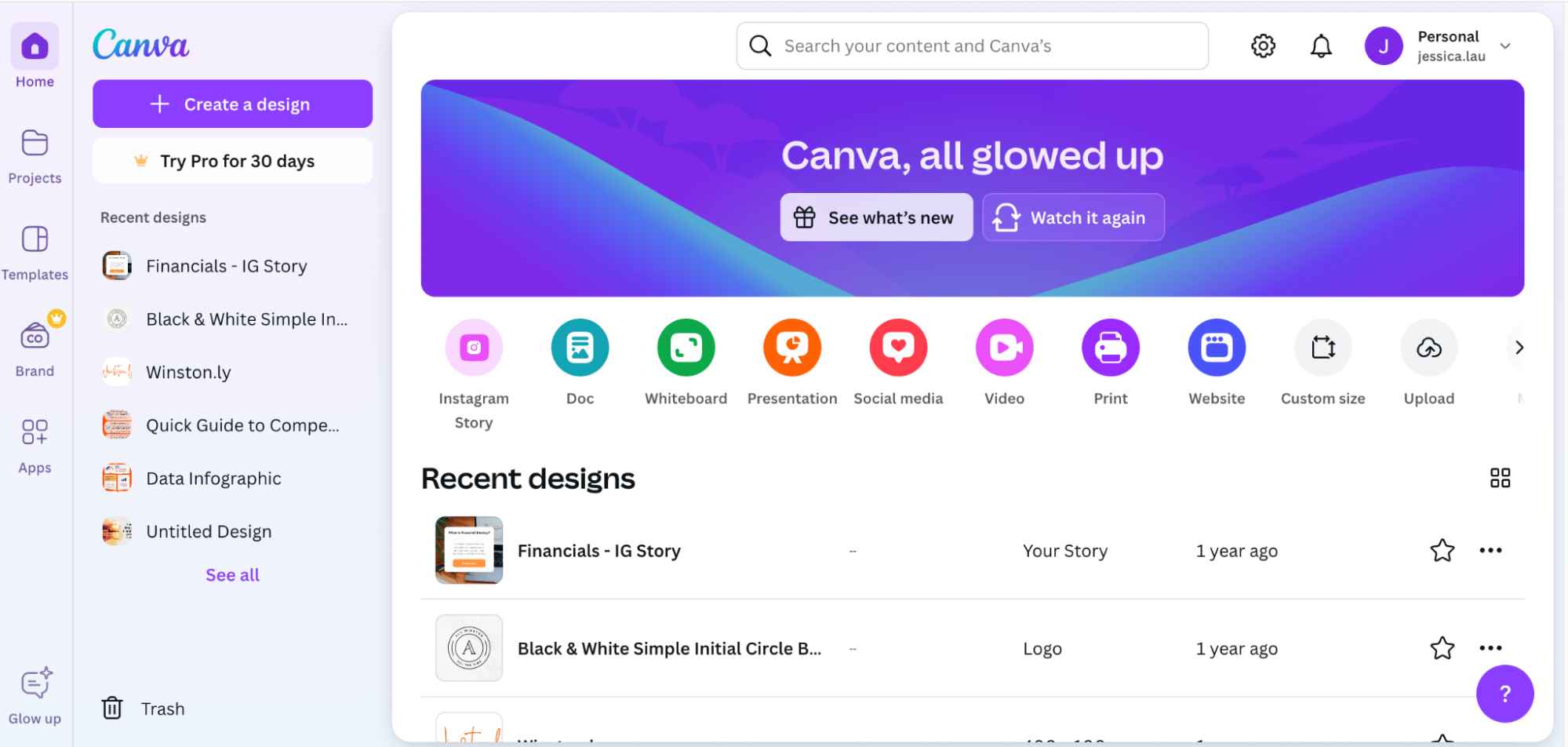
Canva is an online application that is Australian and is aimed at helping people create designs easily. It allows its users to create graphics, presentations, social media posts, and so on with the help of its drag-and-drop tools and templates.
Ceo Melanie Perkins who is the founder of the company began in 2012. Canva is a year-old company with approximately 5,000 people and an annual revenue of approximately 3 billion dollars, which is currently estimated to be worth 26 billion dollars. It is very popular on its web site receiving more than 820 million visits per month.
-
Founded: 2012 (est.)
-
HQ: Sydney, Australia
-
CEO: Melanie Perkins
-
Market Cap: ~$26 billion valuation
-
Revenue: ~$3.0 billion (2025 est.)
-
Employees: ~5,000
-
Monthly Visitors: 821.5 M
7. Zoom
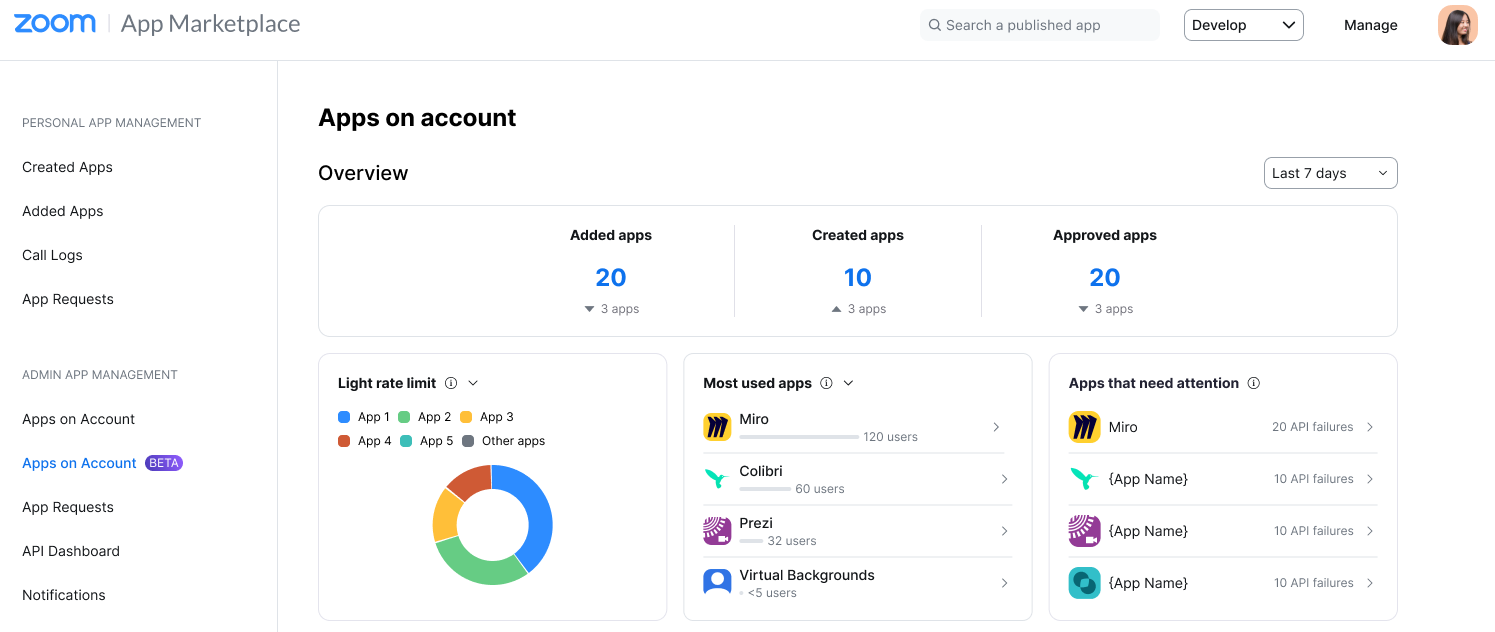
Zoom is an internet application that allows individuals to engage in video conferencing, conduct meetings and webinars. Remote working and online learning became extremely popular.
Eric Yuan, the CEO, is the founder of the company and founded it in 2011. As of 2025, Zoom has a revenue of 4.67 billion dollars, around 7,400 employees, and is worth 24.6 billion dollars. It has a monthly visit of about 538 million, on its site.
-
Founded: 2011
-
HQ: San Jose, CA, USA
-
CEO: Eric Yuan
-
Market Cap: ~$24.6 billion (2025)
-
Revenue: $4.67 billion (FY2025)
-
Employees: 7,412
-
Monthly Visitors: 538.1 M
8. Asana
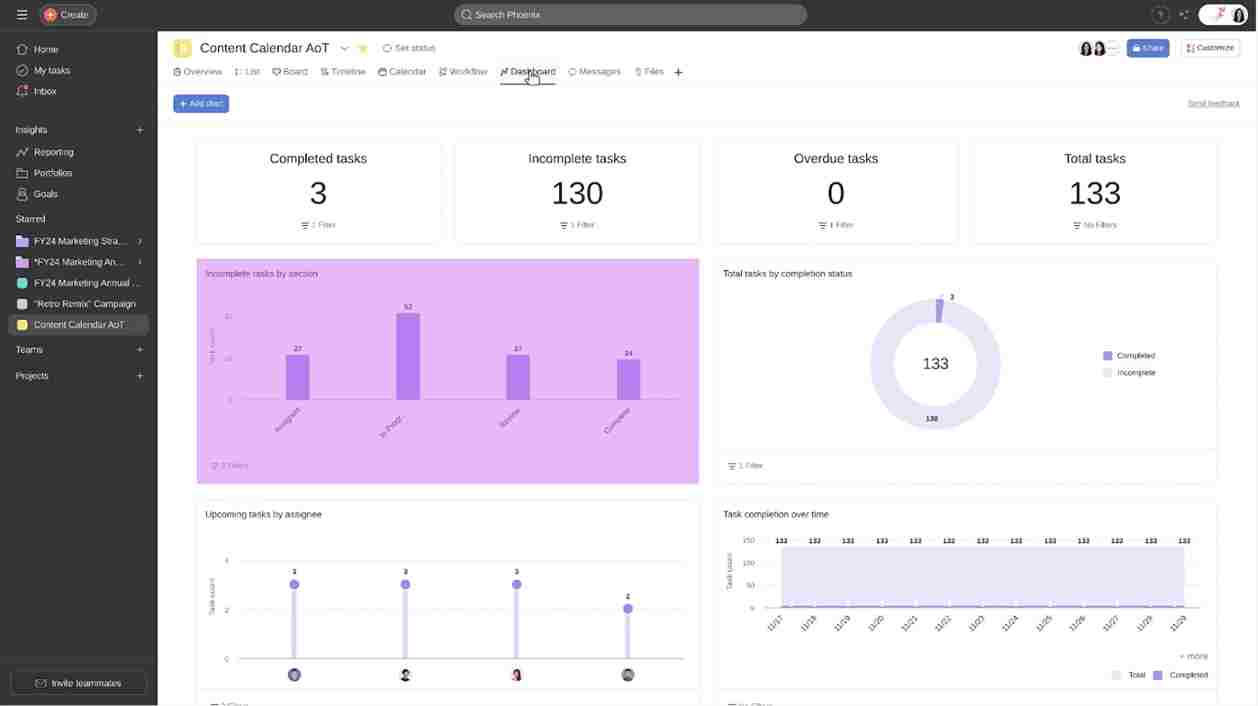
Asana is a web-based application that assists teams to plan their work, to monitor activities, and coordinate the projects. There are task lists, boards and timelines that you can make to check the progress of work. Dustin Moskovitz began it in 2008 and the 2025 CEO is Dan Rogers. Asana earned approximately $ 724 million in 2024, employs approximately 1,800 people, and is worth 3.18 billion dollars. It receives approximately 40 million visitors every month on its site.
-
Founded: 2008
-
HQ: San Francisco, CA, USA
-
CEO: Dan Rogers (as of 2025)
-
Market Cap: ~$3.18 billion
-
Revenue: $723.9 million (FY2024)
-
Employees: 1,819
-
Monthly Visitors: 39.6 M
9. HubSpot
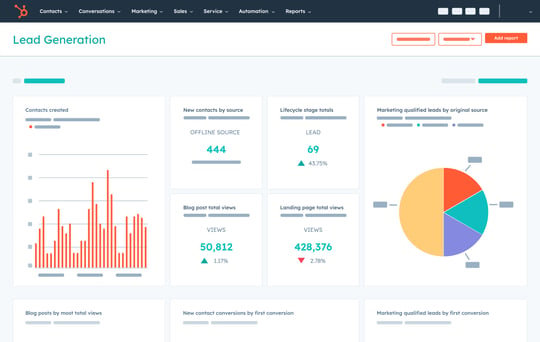
HubSpot is a sales and inbound marketing SaaS solution. It offers CRM, email marketing tools as well as content management tools and marketing automation. HubSpot is an organization and the CEO of the company is Yamini Rangan who established the company in 2006. In 2024, it earned around 2.63billion dollars in income and has around 8246 employees. It has a market worth of approximately 23.5billion. Hubspot.com domain has an average of 34.8m visits each month.
-
Founded: 2006
-
HQ: Cambridge, MA, USA
-
CEO: Yamini Rangan
-
Market Cap: ~$23.5 billion
-
Revenue: $2.63 billion (FY2024)
-
Employees: 8,246
-
Monthly Visitors: 34.8 M
10. Monday.com
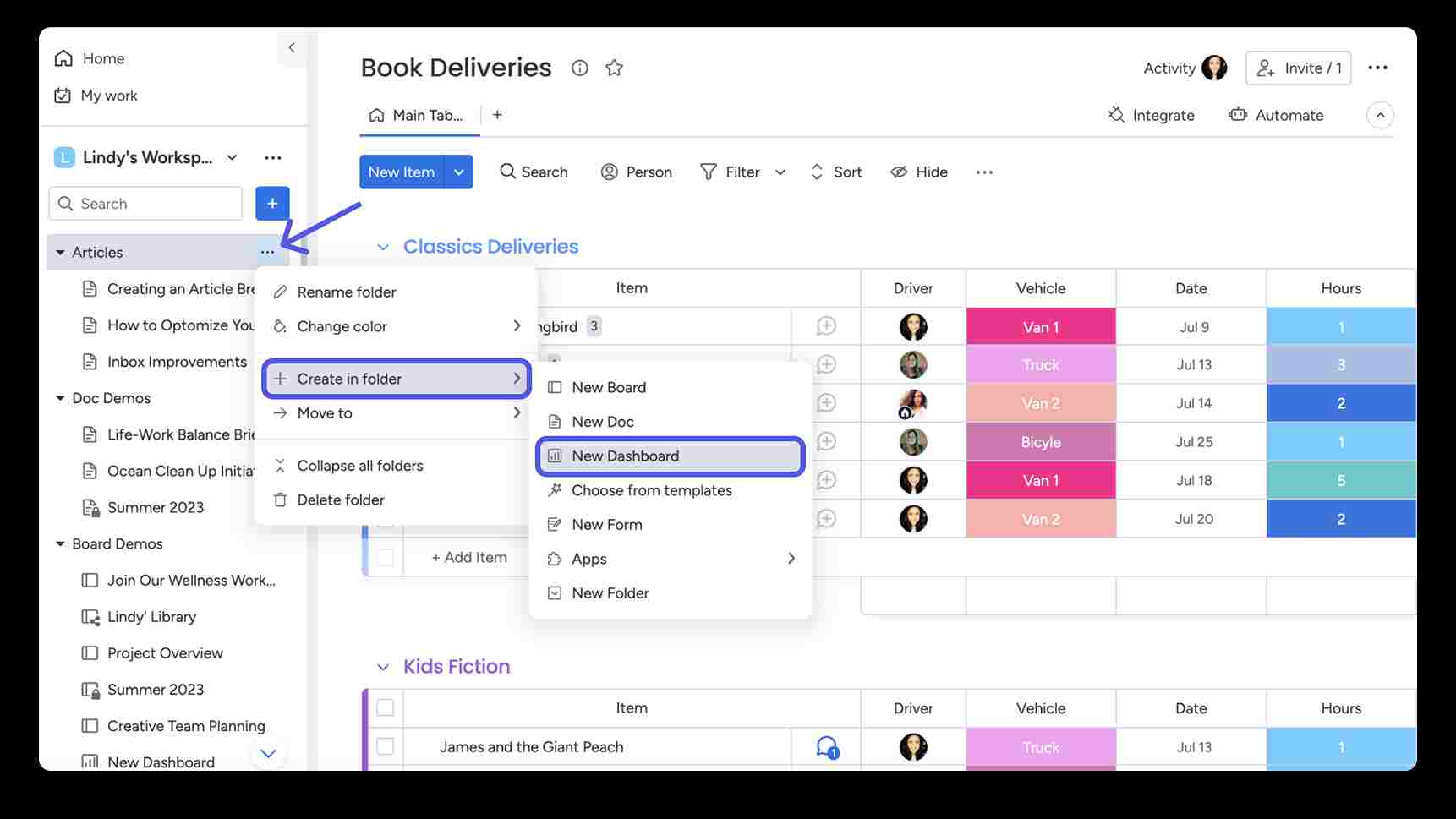
Monday.com is an online application assisting teams in registering and coordinating projects with no hassles. It provides personalized boards and workflows on tasks, CRM, etc. to ensure the teams are orderly and productive.
It was established in 2012 in Israel and has a CEO and co-founder Roy Mann. Monday.com earned approximately 972 million in 2024, has approximately 2000 employees, and is estimated at 9.4 billions. It has an approximate of 39.1 million visits monthly on its site.
-
Founded: 2012
-
HQ: Tel Aviv, Israel
-
CEO: Roy Mann
-
Market Cap: $9.40 billion
-
Revenue: $972 million (FY2024)
-
Employees: 2,508
-
Monthly Visitors: 39.1 M
11. Stripe

Stripe is a firm that assists online firms in accepting payments with ease. It offers credit-card payment, billing, fraud protection, and so on tools to websites and apps.
Stripe is a privately-owned firm with a valuation between 70-95 billion that was established in 2010 by two brothers Patrick and John Collison (CEO). It also has a generating figure of about 12 billion dollars every year and it also has about 8,550 employees. Its monthly web site traffic stands at around 92 million.
-
Founded: 2010
-
HQ: San Francisco, CA, USA
-
CEO: Patrick Collison
-
Market Cap: ~$70–95 billion (private valuation)
-
Revenue: ~$12 billion (2021 est.)
-
Employees: ~8,550
-
Monthly Visitors: 91.8 M
12. Workday
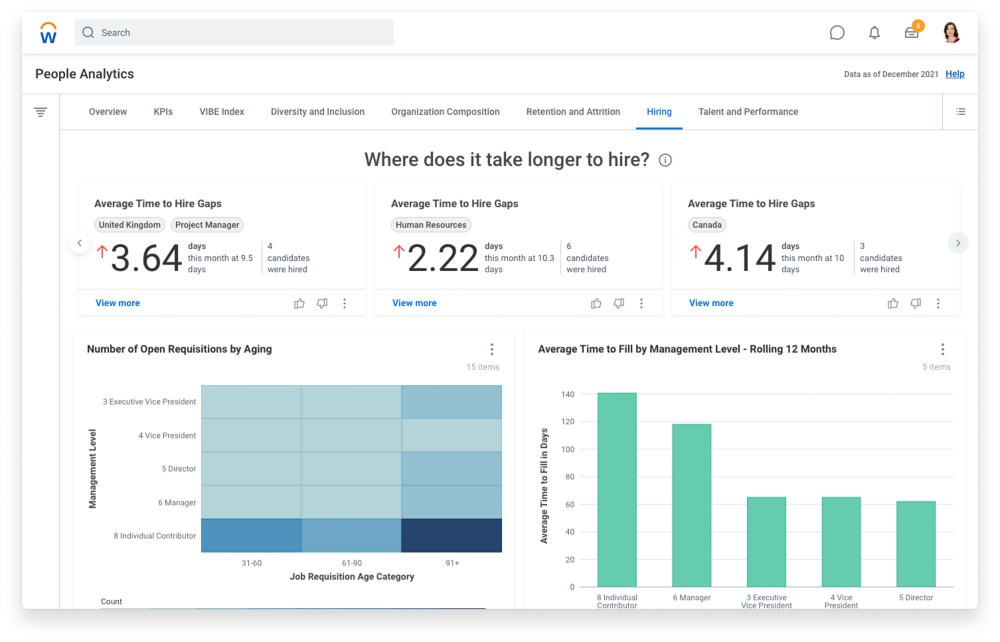
Workday is a cloud based platform that offers HR and finance software to businesses. Its software includes payroll, talent management and financial planning that can assist businesses in people and money management.
Workday began in 2005 under the leadership of Dave Duffield and Aneel Bhusri and is being led by the CEO Carl Eschenbach. It employs 20,400 people and is valued at about 61.97 billion and experienced revenue of 8.45 billion in the 2025 financial year. It has approximately 5.8 million visits to its site every month.
-
Founded: 2005
-
HQ: Pleasanton, CA, USA
-
CEO: Carl Eschenbach
-
Market Cap: $61.97 billion (Oct 2025)
-
Revenue: $8.45 billion (FY2025)
-
Employees: 20,400
-
Monthly Visitors: 5.8 M
13. Linktree
Linktree is anonline platform that allows creating a single landing page with many links. commonly referred to as a link in bio on social media, it allows people and business ventures to point their followers to websites, profiles, or material on a single simple page. Linktree is a unicorn with its valuation ranging between 1.3 and 500 people. While its exact revenue is private, it’s reported in the low tens of millions. The site receives about 206 million visits each month.
-
Founded: 2016
-
HQ: Melbourne, Australia
-
CEO: Alex Zaccaria
-
Market Cap: ~$1.3 billion (valuation)
-
Revenue: ~$20 million (est.)
-
Employees: 201–500
-
Monthly Visitors: 206.2 M
14. Zoho
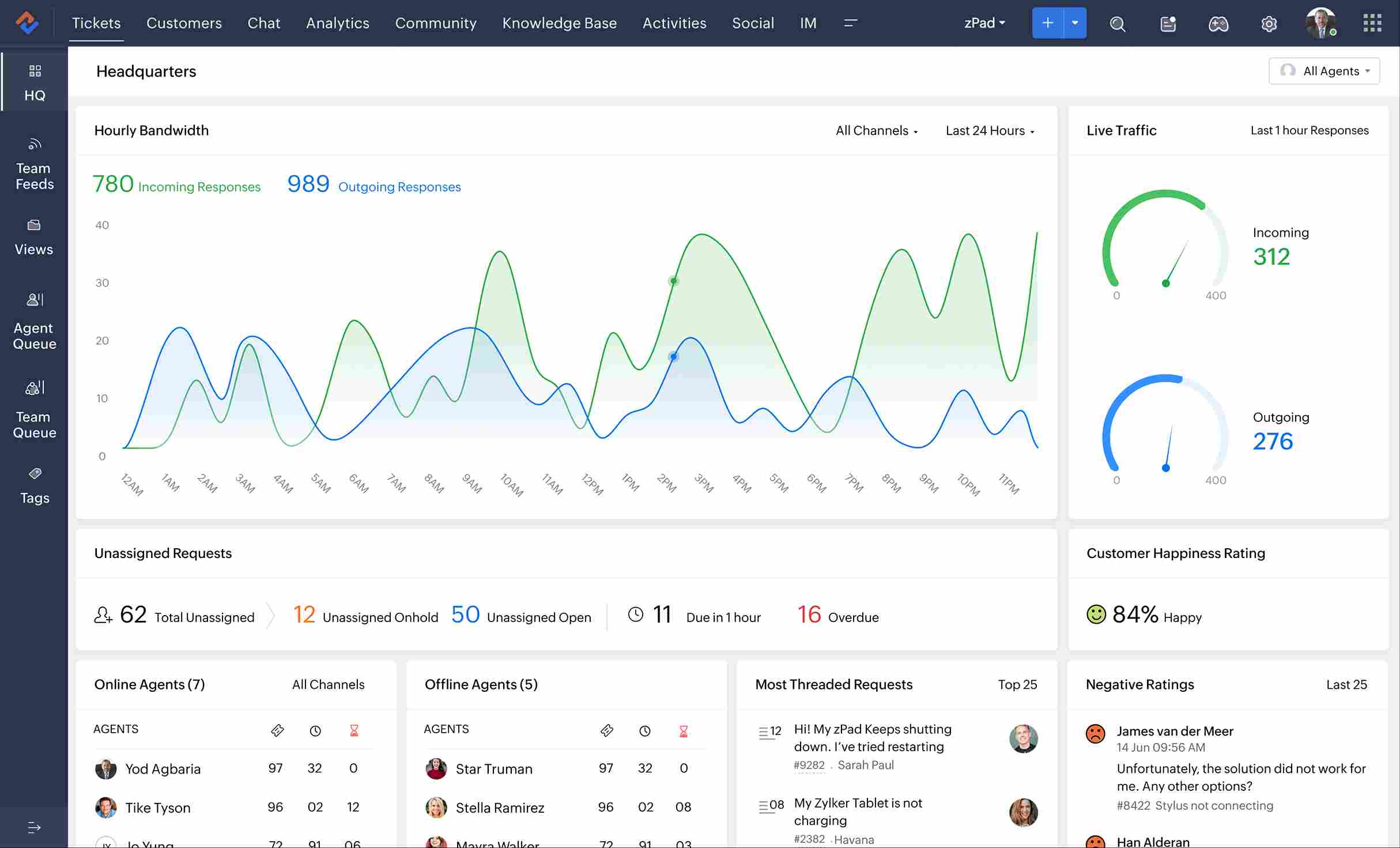
Zoho is a company based in India that provides a broad spectrum of internet based business applications, such as, CRM, email, office software, and finance software, which assists businesses to work smarter.
Zoho is a privately held company founded in 1996 by CEO Shailesh Kumar Davey and had a revenue of approximately 703 crore (~$1 billion) in 2023. With over 15,000 employees, Zoho’s products are widely used, and its website receives roughly 66 million visits per month.
-
Founded: 1996
-
HQ: Chennai, India
-
CEO: Shailesh Kumar Davey
-
Market Cap: private (~$1 B revenue)
-
Revenue: ₹8,703 crore (~$1.0 B) (2023)
-
Employees: 15,000+
-
Monthly Visitors: 65.9 M
15. Keka
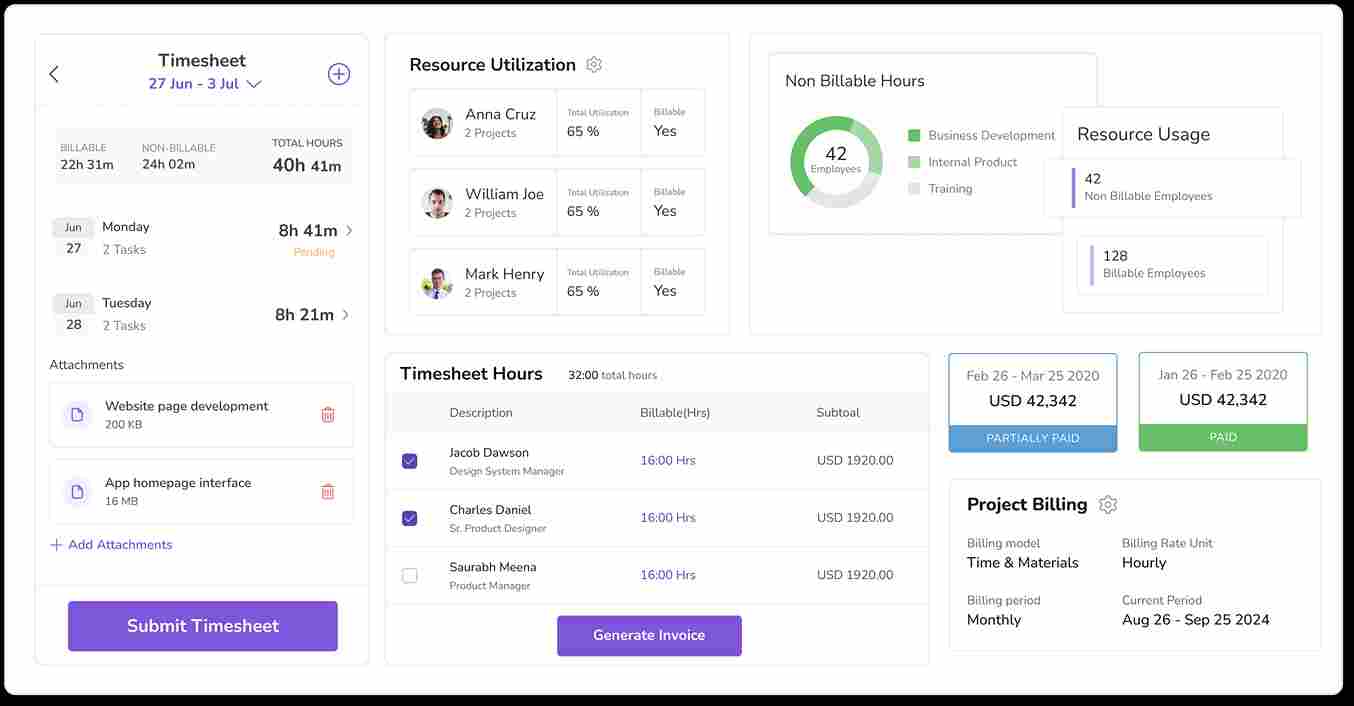
Keka is an Indian company that provides HR and payroll software. It helps businesses automate attendance, payroll, and compliance, making HR tasks easier.
Founded in 2014, its CEO is Vijay Yalamanchili. Keka has grown rapidly, with an ARR of around $85.9 million by 2024, and serves many mid-sized Indian companies. Its website traffic is modest but steadily growing.
-
Founded: 2014
-
HQ: Hyderabad, India
-
CEO: Vijay Yalamanchili
-
Market Cap: private
-
Revenue: (EST) ~$85 million ARR (2024)
-
Employees: (100–300)
Looking for Cloud Call Center Software?
Check out Techimply's List Of Best Cloud Based Call Center Solutions for your business.
16. Freshworks
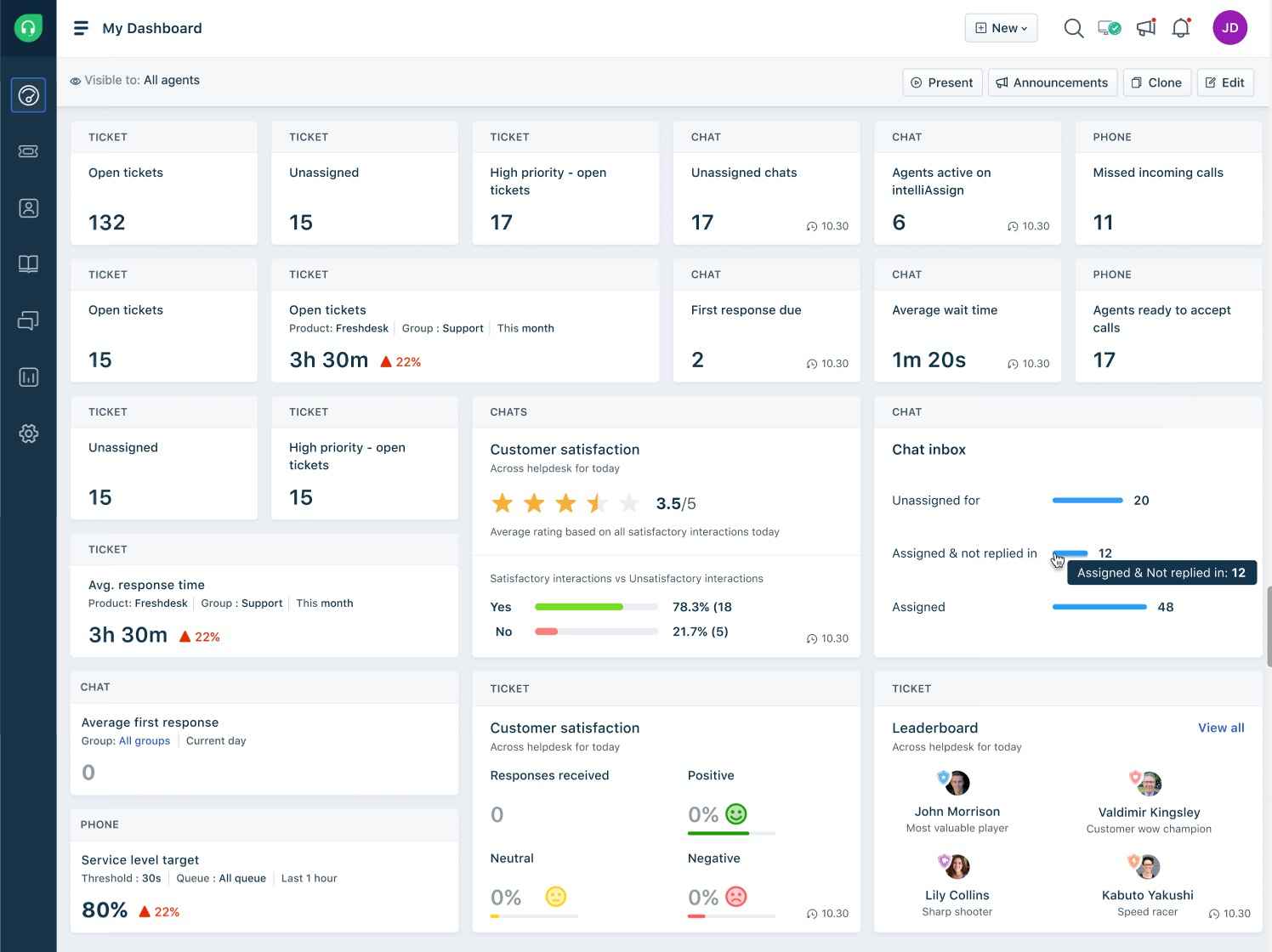
Freshworks is a SaaS company from India that offers customer engagement and IT service software, including CRM, helpdesk, and chat tools.
Founded in 2010 by Girish Mathrubootham, Freshworks went public in 2021. In 2024, it made $720 million in revenue, has about 4,400 employees, and is valued at roughly $3.3 billion. Its website attracts millions of visitors each month.
-
Founded: 2010
-
HQ: San Mateo, CA (origin Chennai, India)
-
CEO: Girish Mathrubootham
-
Market Cap: ~$3.3 billion
-
Revenue: $720.42 million (FY2024)
-
Employees: 4,400
17. Gusto
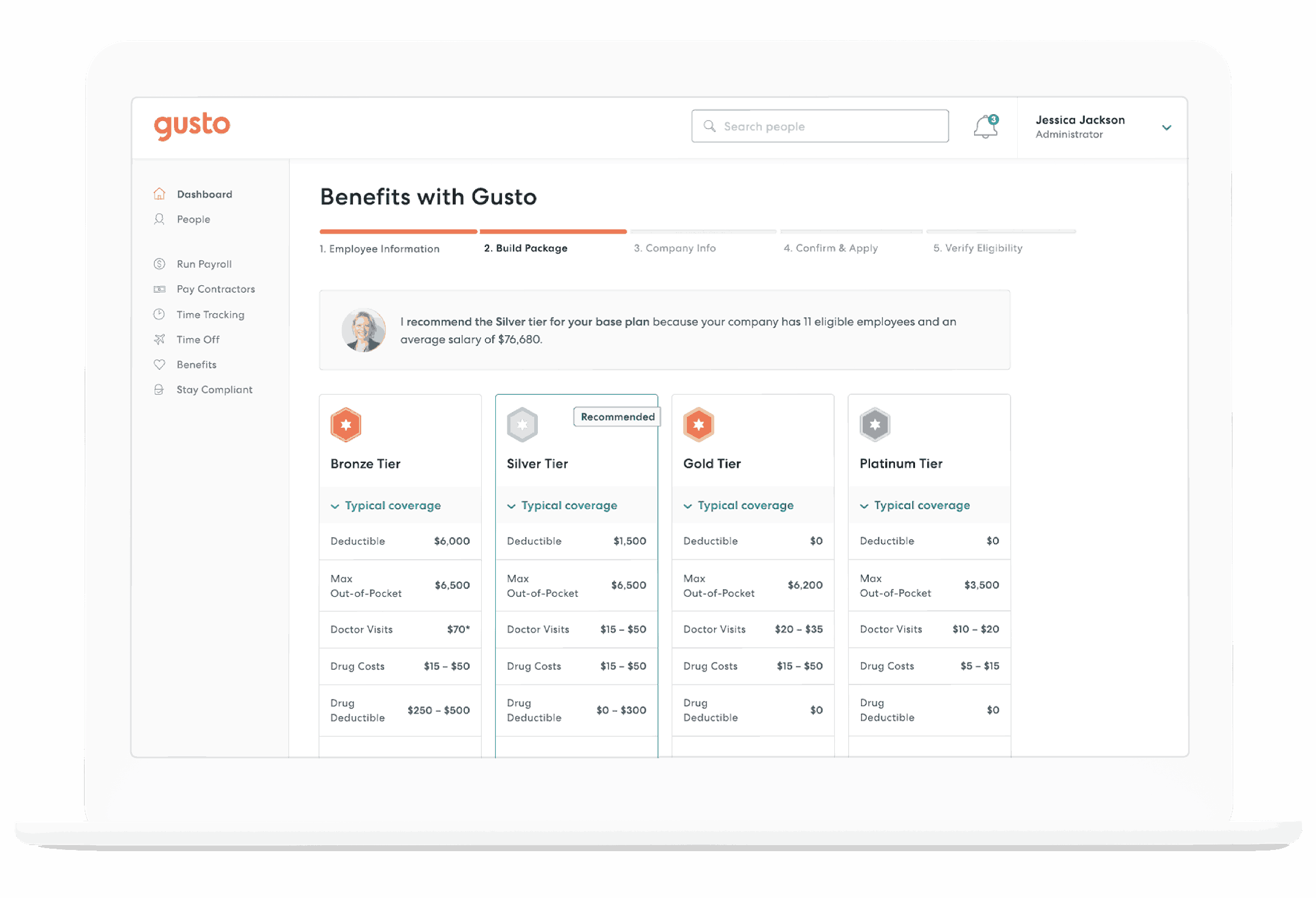
Gusto provides cloud-based payroll, benefits, and HR services for small businesses. Its platform makes HR and payroll tasks simple and automated.
Founded in 2011 by Joshua Reeves, Gusto reached $735 million in revenue by 2024. It has raised about $746 million in funding, is valued around $9.3–9.5 billion, and employs roughly 2,314 people. Its website traffic is in the millions.
-
Founded: 2011
-
HQ: San Francisco, CA, USA
-
CEO: Josh Reeves
-
Market Cap: ~$9.3–9.5 billion (2025
-
Revenue: ~$600 million (2023)
-
Employees: ~2,314
18. Zendesk
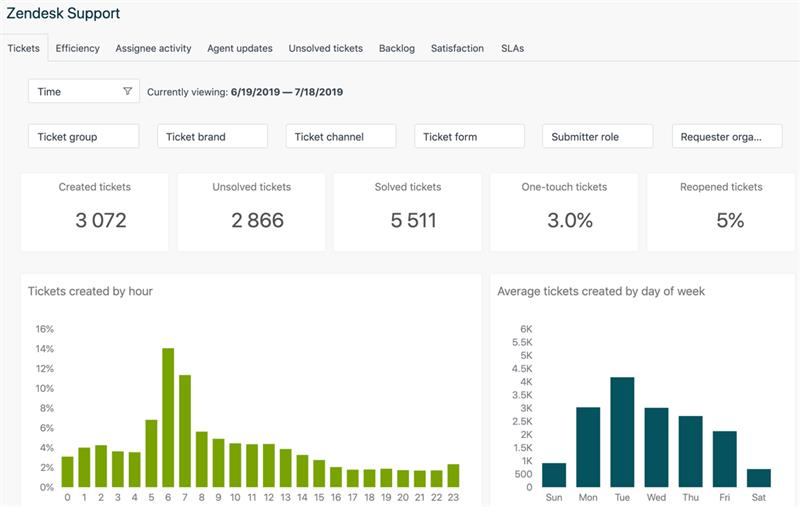
Zendesk offers cloud-based customer service and support software, helping businesses manage tickets and provide better support.
Founded in 2007, its CEO since 2024 is Tom Eggemeier. Zendesk was acquired in 2022 for about $10.2 billion. It employs around 6,000 people, and its website gets roughly 77 million visits each month.
-
Founded: 2007
-
HQ: San Francisco, CA, USA
-
CEO: Tom Eggemeier
-
Market Cap: $10.2 billion (acquisition)
-
Revenue: $1.34 billion (2021)
-
Employees: ~6,000
-
Monthly Visitors: 77 M
19. Airtable
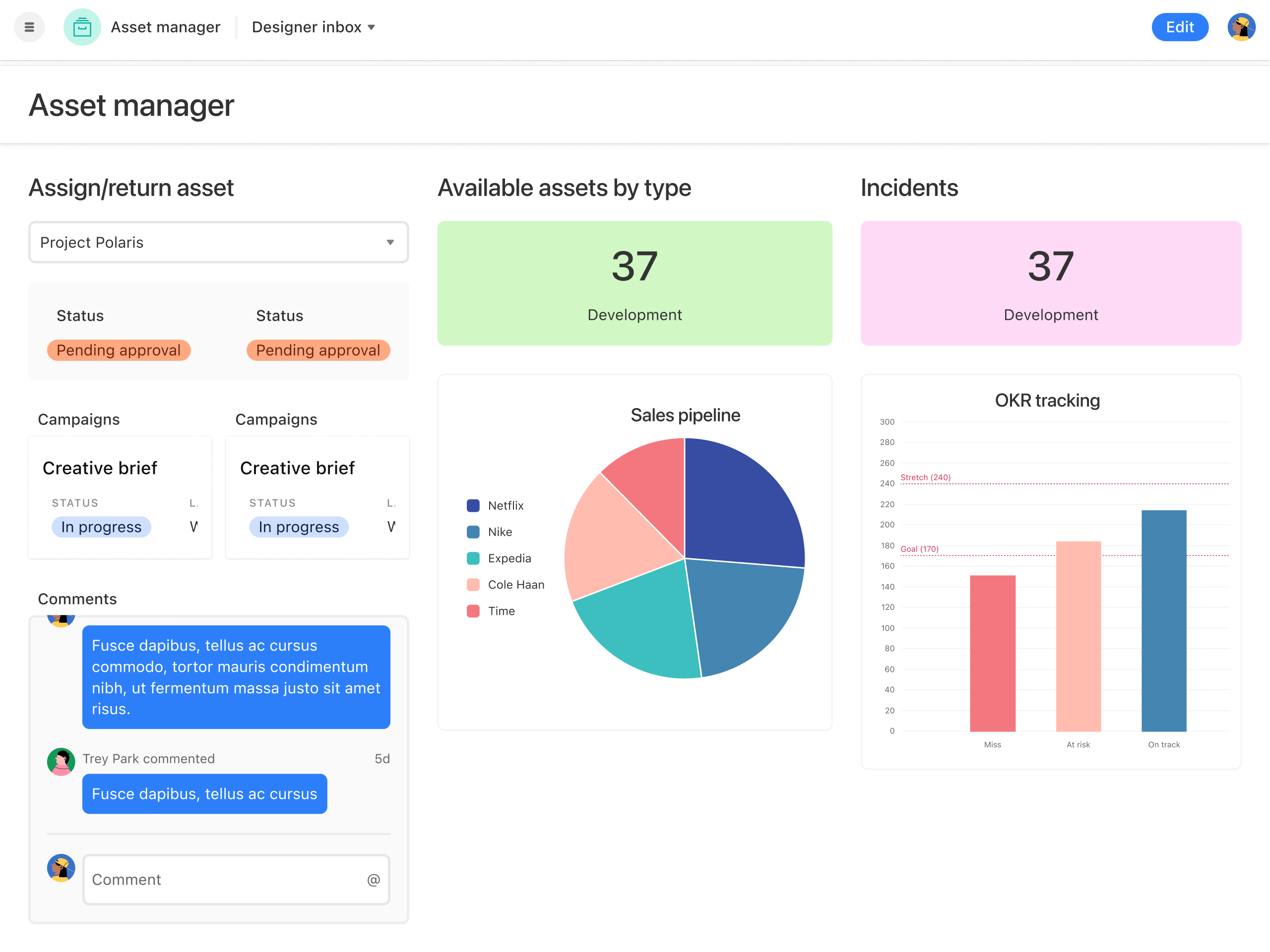
Airtable is an online platform that combines spreadsheets and databases, letting teams organize data and build custom apps easily.
Founded in 2012 by Howie Liu, Airtable is used by millions. As a private company, it is valued around $11–12 billion, has several hundred employees, and its website sees about 23 million visits per month.
-
Founded: 2012
-
HQ: San Francisco, CA, USA
-
CEO: Howie Liu
-
Market Cap: ~$11 billion valuation
-
Revenue: (private)
-
Employees: (500+)
-
Monthly Visitors: 23 M
20. SEMrush
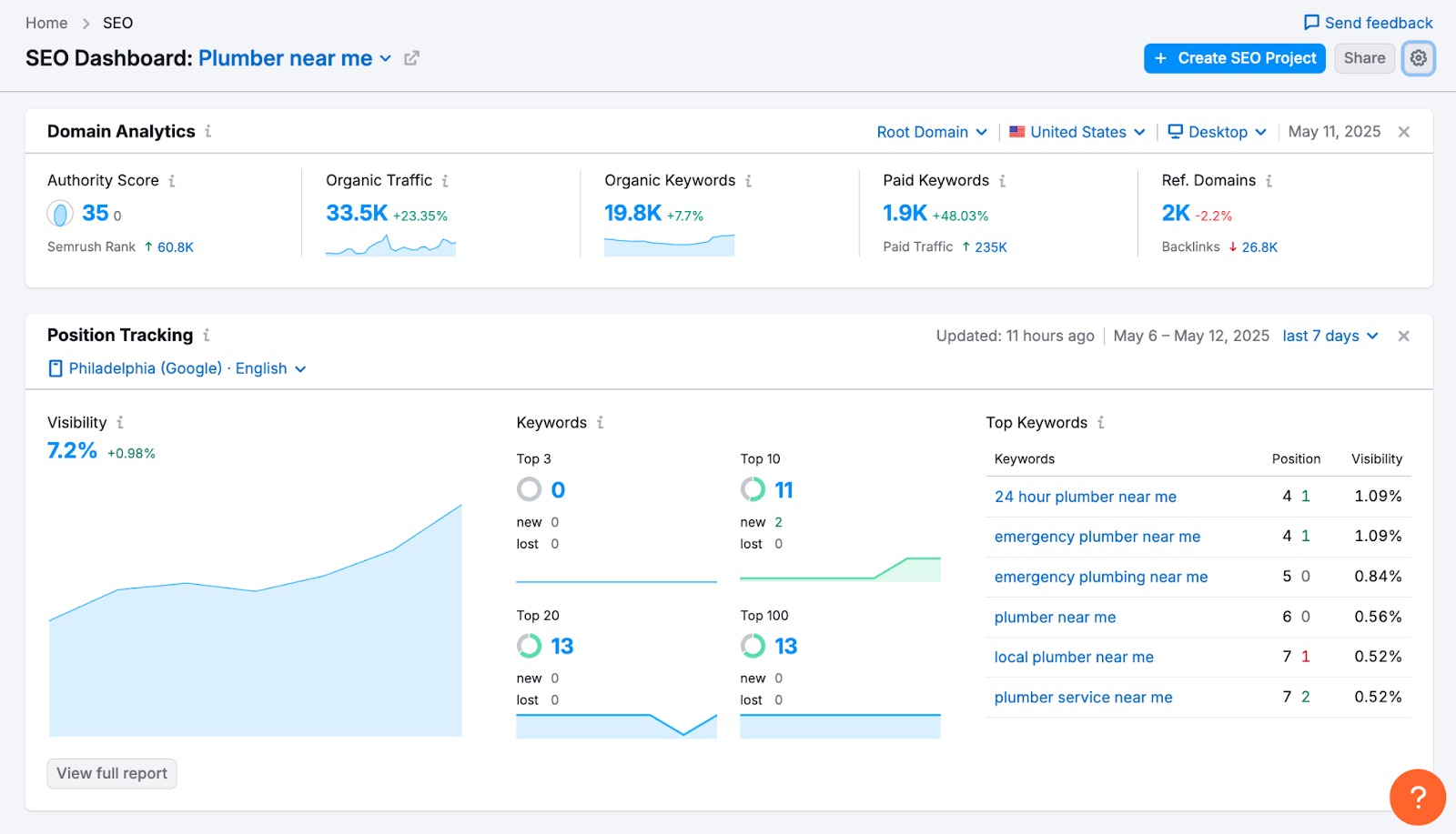
SEMrush is a SaaS platform for SEO and online marketing. It helps businesses with keyword research, competitive analysis, and managing online visibility.
Founded in 2008 by Oleg Shchegolev and headquartered in Boston, SEMrush made $376.8 million in revenue in 2024, employs about 1,561 people, and has a market cap of around $1.08 billion. Its website gets roughly 9.8 million visits per month.
-
Founded: 2008
-
HQ: Boston, MA, USA
-
CEO: Oleg Shchegolev
-
Market Cap: $1.08 billion
-
Revenue: $376.82 million (2024)
-
Employees: 1,561
-
Monthly Visitors: 9.8 M
21. Dukaan
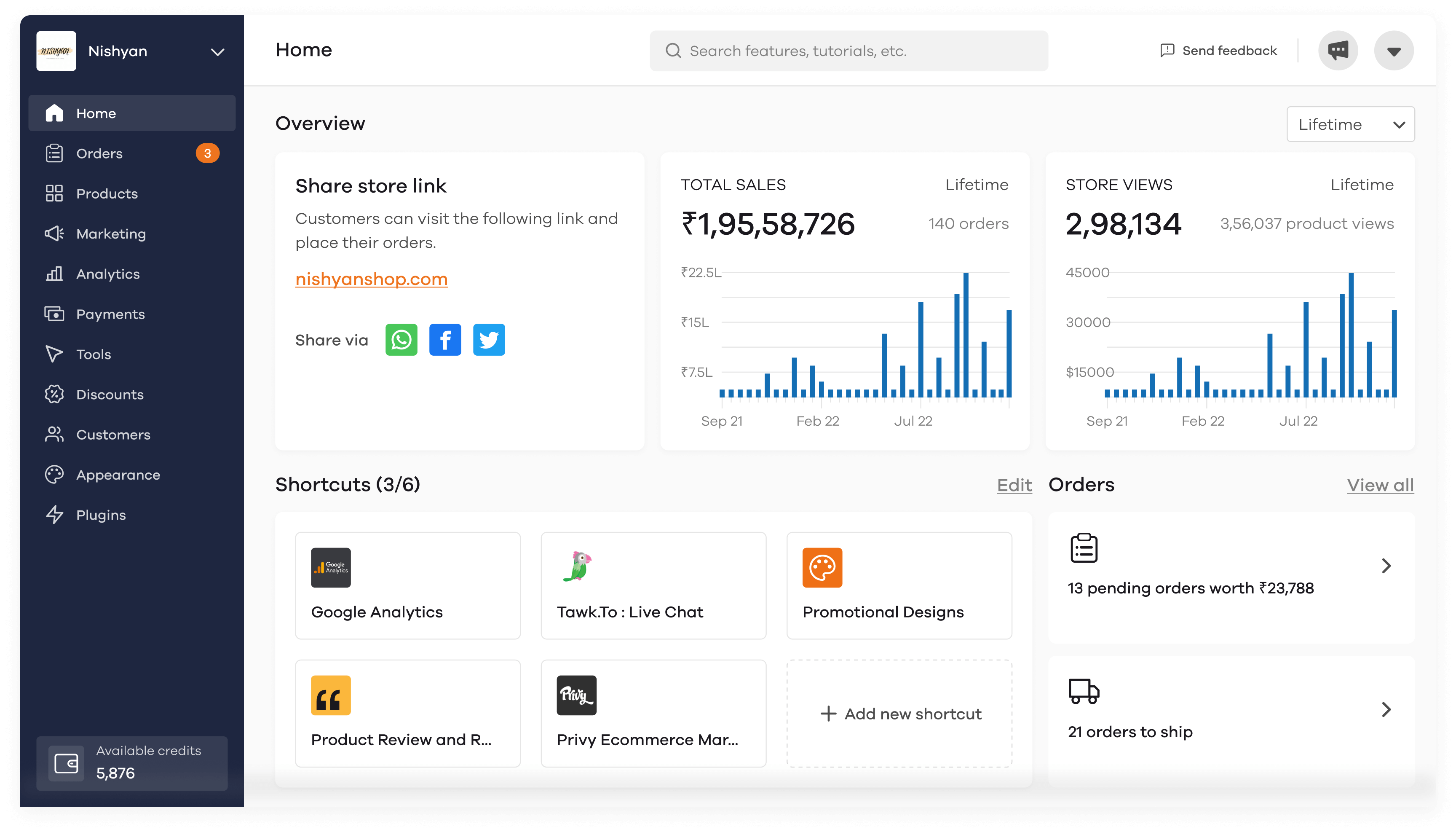
Dukaan is an Indian platform that helps small businesses create online stores and sell products easily. Founded in 2020, its CEO is Suumit Shah. Dukaan is considered one of India’s rising SaaS startups and has quickly become a unicorn (~$1 billion valuation), serving thousands of merchants with a simple app.
-
Founded: 2020
-
HQ: Bangalore, India
-
CEO: Suumit Shah
-
Market Cap: ~$1 billion (valuation)
-
Revenue: (not disclosed)
-
Employees: (100–300)
22. Printify
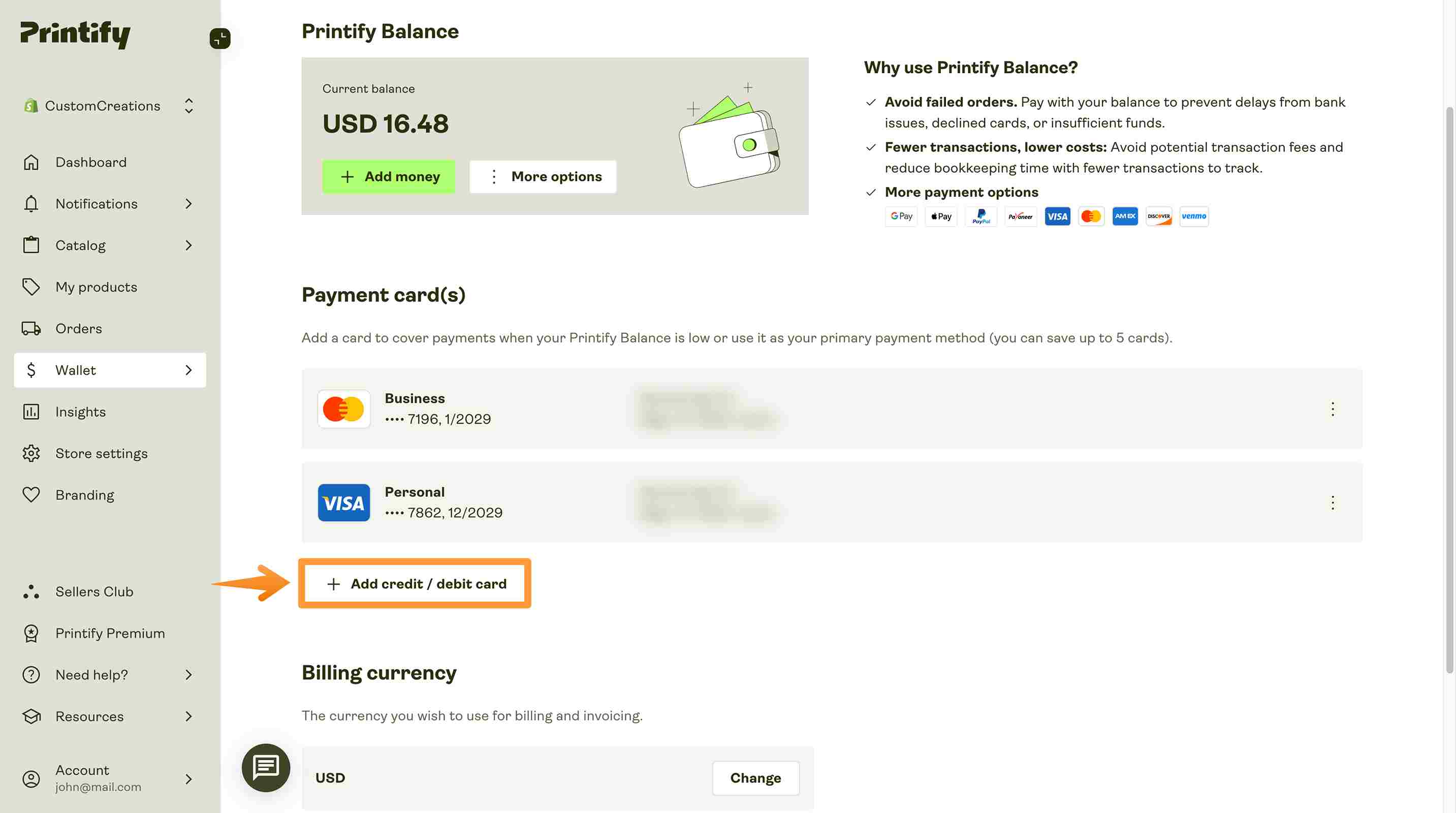
Printify is a platform for print-on-demand products. E-commerce sellers can design items like t-shirts and mugs and sell them without keeping inventory — Printify prints and ships the products. Founded in 2015 in Latvia, CEO James Berdigans, it’s privately held with a valuation of $200–300 million, and its website gets a few million visits per month.
-
Founded: 2015
-
HQ: Riga, Latvia
-
CEO: James Berdigans
-
Market Cap: private (~$200M valuation)
-
Revenue: (not public)
-
Employees: (~300)
23. InVideo
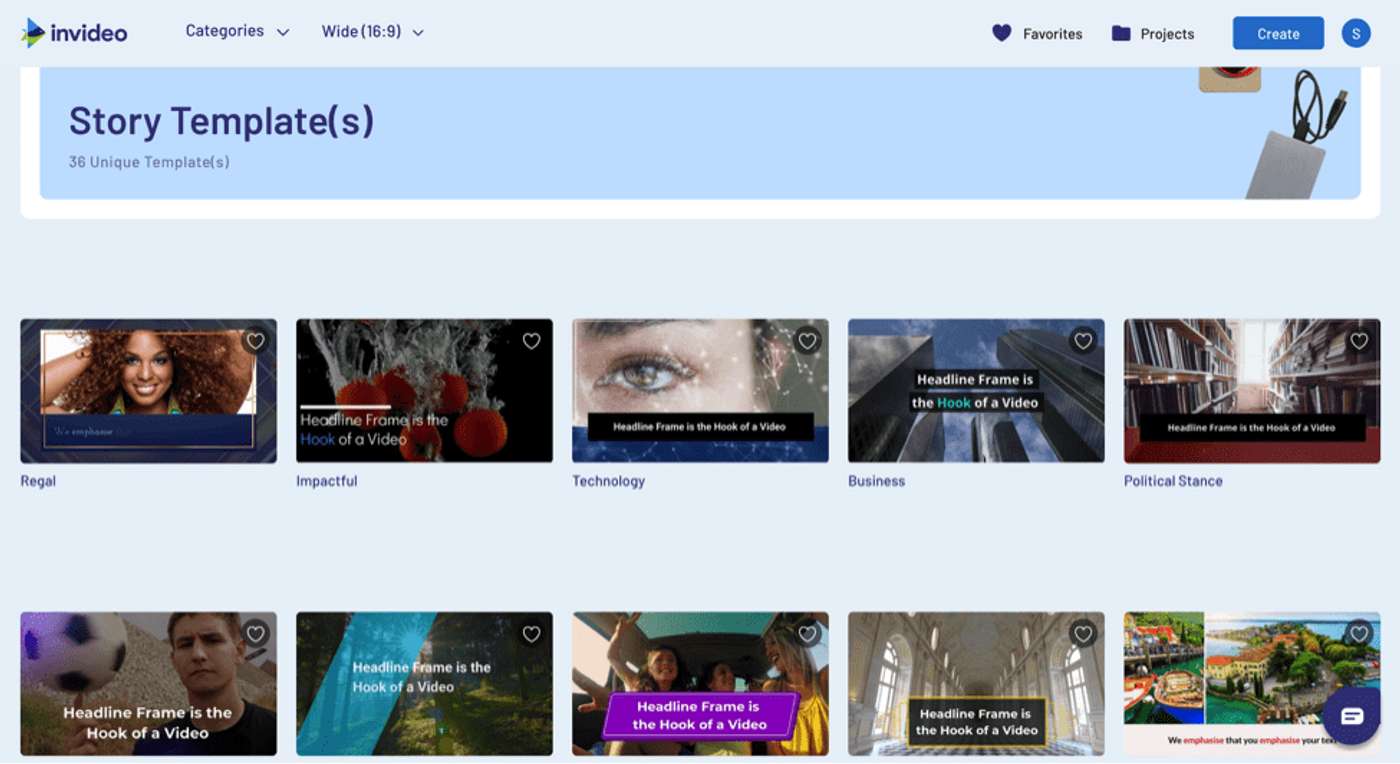
InVideo is an online video creation platform that makes video editing easy for marketing and social media. Founded in 2017 by Sanket Shah and team, it reported around $25 million in revenue by 2021. It’s part of India’s growing SaaS startup scene.
-
Founded: 2017
-
HQ: Singapore
-
CEO: Sanket Shah
-
Market Cap: private (valued by funding)
-
Revenue: ~$25 million (recent)
-
Employees: (100–300)
24. Klaviyo
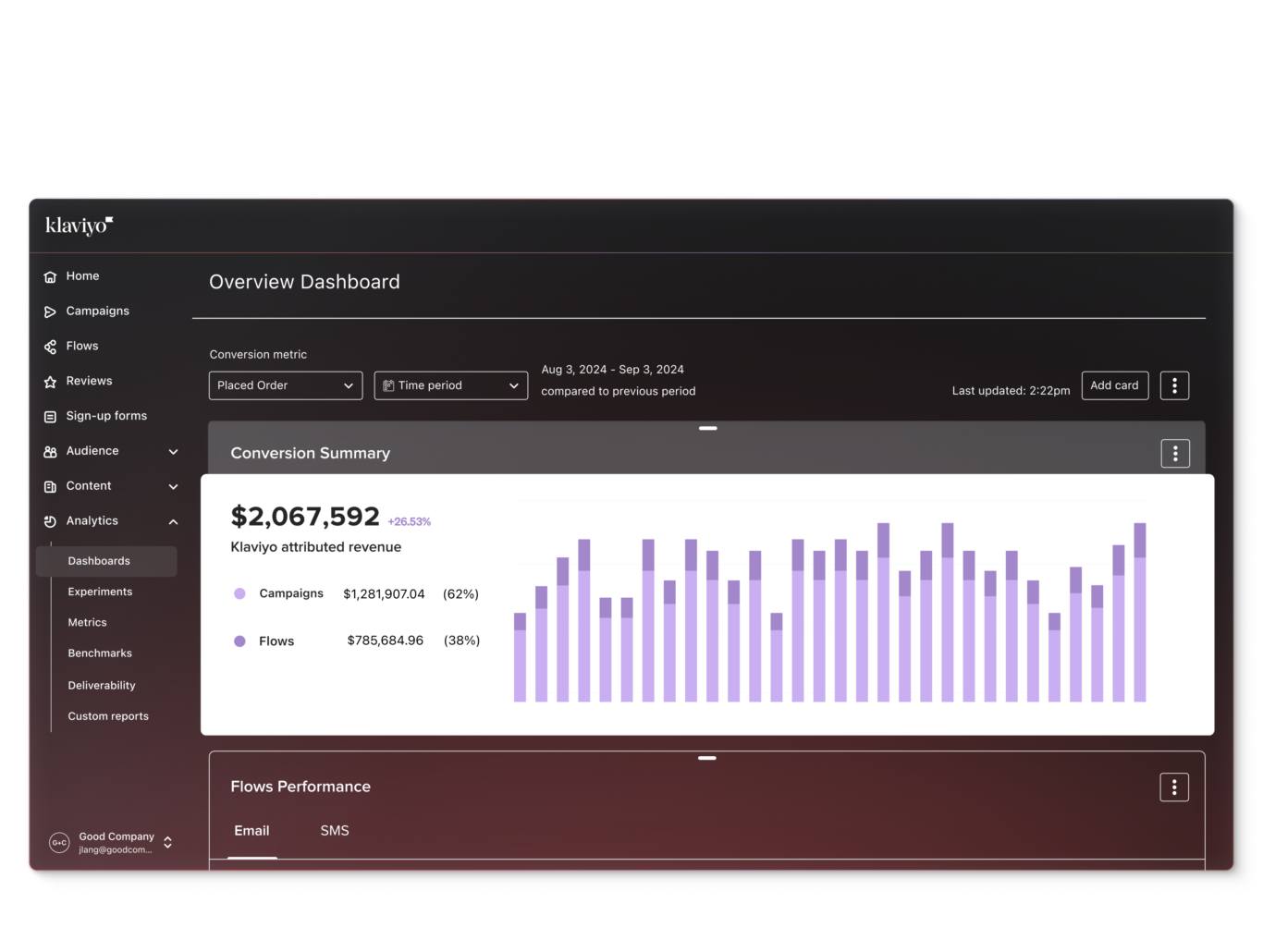
Klaviyo is a marketing automation platform focused on email and SMS for online stores. It helps businesses run personalized campaigns. Founded in 2012 by Andrew Bialecki, Klaviyo went public in 2023 and is valued around $7.77 billion. Its annual revenue is about $1.2 billion, and it employs over 2,200 people.
-
Founded: 2012
-
HQ: Boston, MA, USA
-
CEO: Andrew Bialecki
-
Market Cap: ~$7.77 billion (Oct 2025)
-
Revenue: ~$1.2 billion (FY2025 est.)
-
Employees: 2,182
25. Zapier
Zapier is an automation platform that lets users connect and automate tasks between apps (over 5,000 integrations). Founded in 2011 by Wade Foster, it is profitable and bootstrapped. Revenue was about $310 million in 2024, projected to reach $400 million in 2025, with around 1,221 employees. Valuation is roughly $5 billion.
-
Founded: 2011
-
HQ: San Francisco, CA, USA
-
CEO: Wade Foster
-
Market Cap: ~$5 billion (2021 valuation)
-
Revenue: $310 million (2024)
-
Employees: 1,221
Looking for Cloud Communication Platforms?
Check out Techimply's Best Mobile Cloud Communication Platforms for your business.
26. Amazon (AWS)
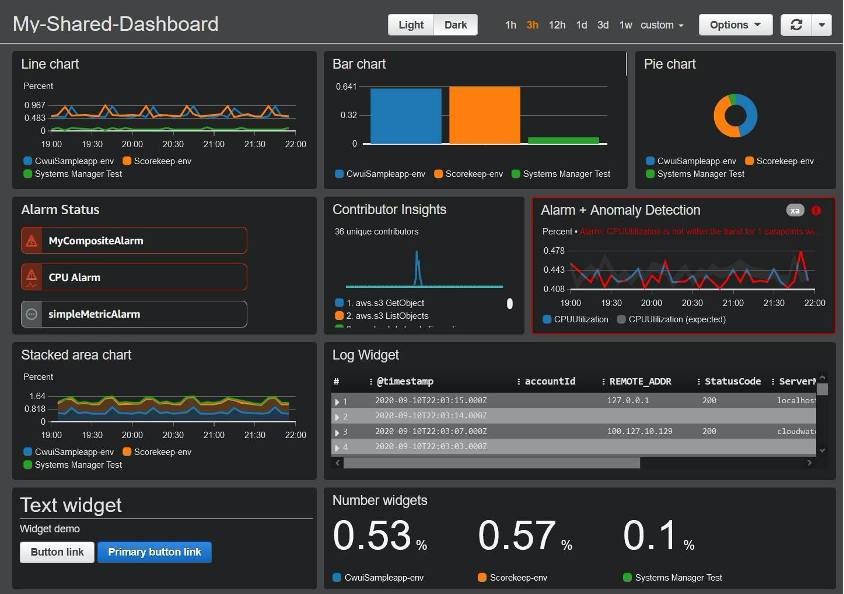
Amazon is a global e-commerce and cloud company. Its Amazon Web Services (AWS) provides cloud computing, storage, databases, AI, and more. Founded in 1994, CEO Andy Jassy, AWS head Adam Selipsky. In 2024, Amazon earned $638 billion (including $108 billion from AWS) and has about 1.5 million employees. Market cap in 2025 is roughly $2.13 trillion, and its website gets around 2.7 billion visits per month.
-
Founded: 1994
-
HQ: Seattle, WA, USA
-
CEO: Andy Jassy (Amazon) (AWS CEO: Adam Selipsky)
-
Market Cap: ~$2.13 trillion (2025)
-
Revenue: $638 billion (FY2024)
-
Employees: ~1.5 million
-
Monthly Visitors: 2.7 B
27. Oracle Cloud
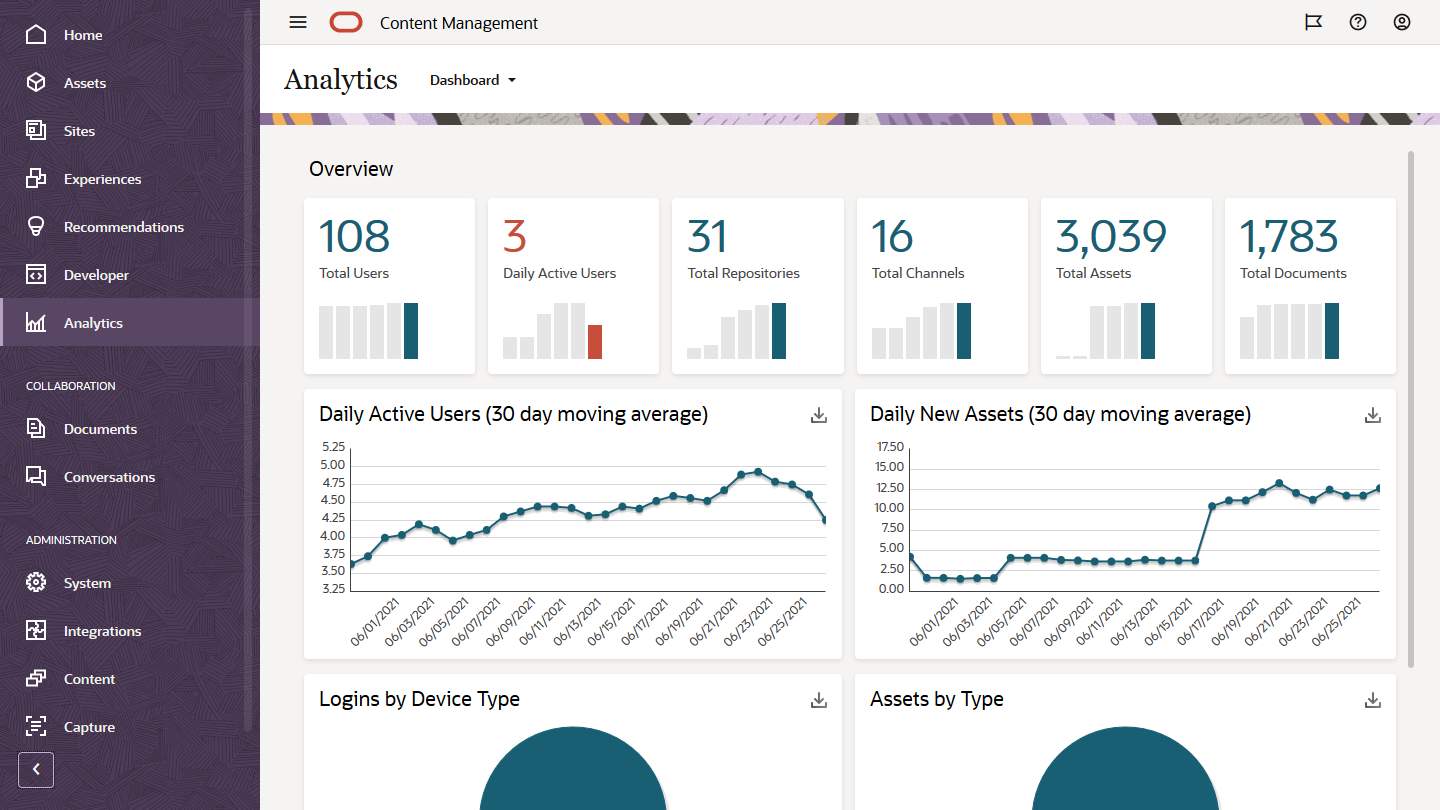
Oracle Cloud is the cloud computing part of Oracle, offering infrastructure and business software like ERP, HCM, and CRM. Oracle was founded in 1977, led by CEO Safra Catz. In 2025, revenue was $57.4 billion, with 162,000 employees. Market cap is around $198 billion, focusing on enterprise cloud services and databases.
-
Founded: 1977
-
HQ: Austin, TX (Oracle’s HQ moved from CA)
-
CEO: Safra Catz (co-CEO)
-
Market Cap: ~$198 billion (2025)
-
Revenue: $57.40 billion (FY2025)
-
Employees: 162,000
28. Dropbox
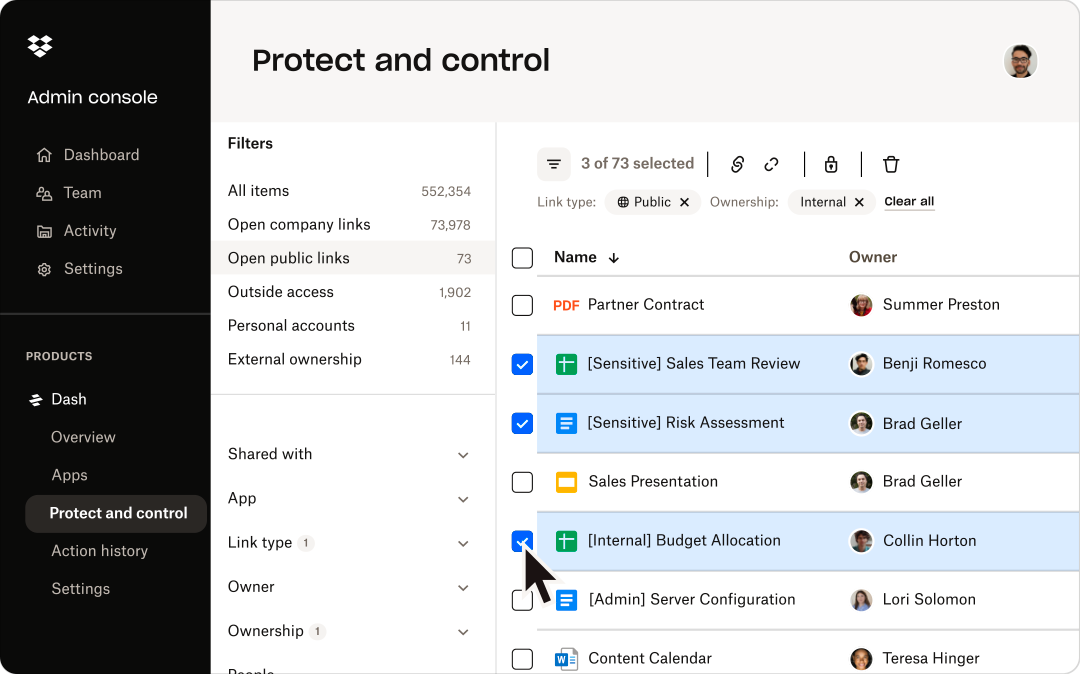
Dropbox is a cloud platform for file storage, sharing, and collaboration. Founded in 2007 by Drew Houston, it made $2.54 billion in 2024. Dropbox has about 2,886 employees and is valued around $8.05 billion, serving millions of users worldwide.
-
Founded: 2007
-
HQ: San Francisco, CA, USA
-
CEO: Drew Houston
-
Market Cap: ~$8.05 billion
-
Revenue: $2.54 billion (FY2024)
-
Employees: 2,886 (2024)
30. Wix
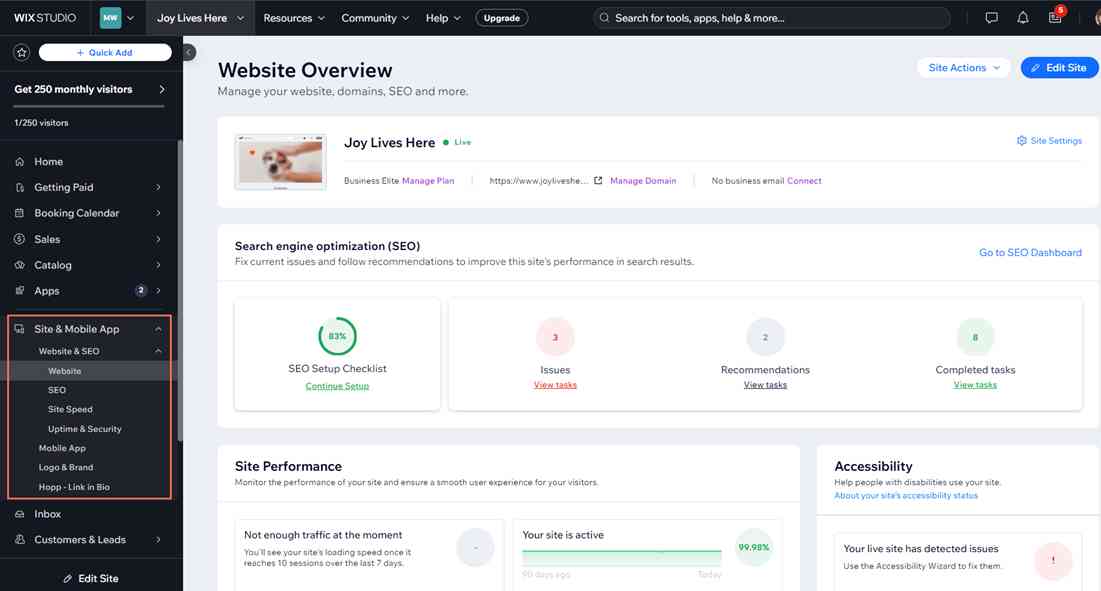
Wix is an online platform for building websites and online stores using drag-and-drop tools. Founded in 2006, CEO Avishai Abrahami, it made $1.761 billion in revenue in 2024, has about 5,283 employees, and is valued around $6 billion. Wix serves millions of customers globally.
-
Founded: 2006
-
HQ: Tel Aviv, Israel
-
CEO: Avishai Abrahami
-
Market Cap: ~$6 billion (2025)
-
Revenue: $1.761 billion (FY2024)
-
Employees: 5,283
31. WebEngage
WebEngage is an Indian SaaS platform for marketing automation and customer engagement. Founded in 2011 by Avlesh Singh (CEO), it helps businesses send personalized messages through email, SMS, push notifications, and web pop-ups. WebEngage has raised around $180 million and works with many leading retail and online brands across India.
-
Founded: 2011
-
HQ: San Francisco, CA / Mumbai, India
-
CEO: Avlesh Singh
-
Market Cap: ~$455 million (2021)
-
Revenue: (not disclosed)
-
Employees: ~700
32. Agile CRM
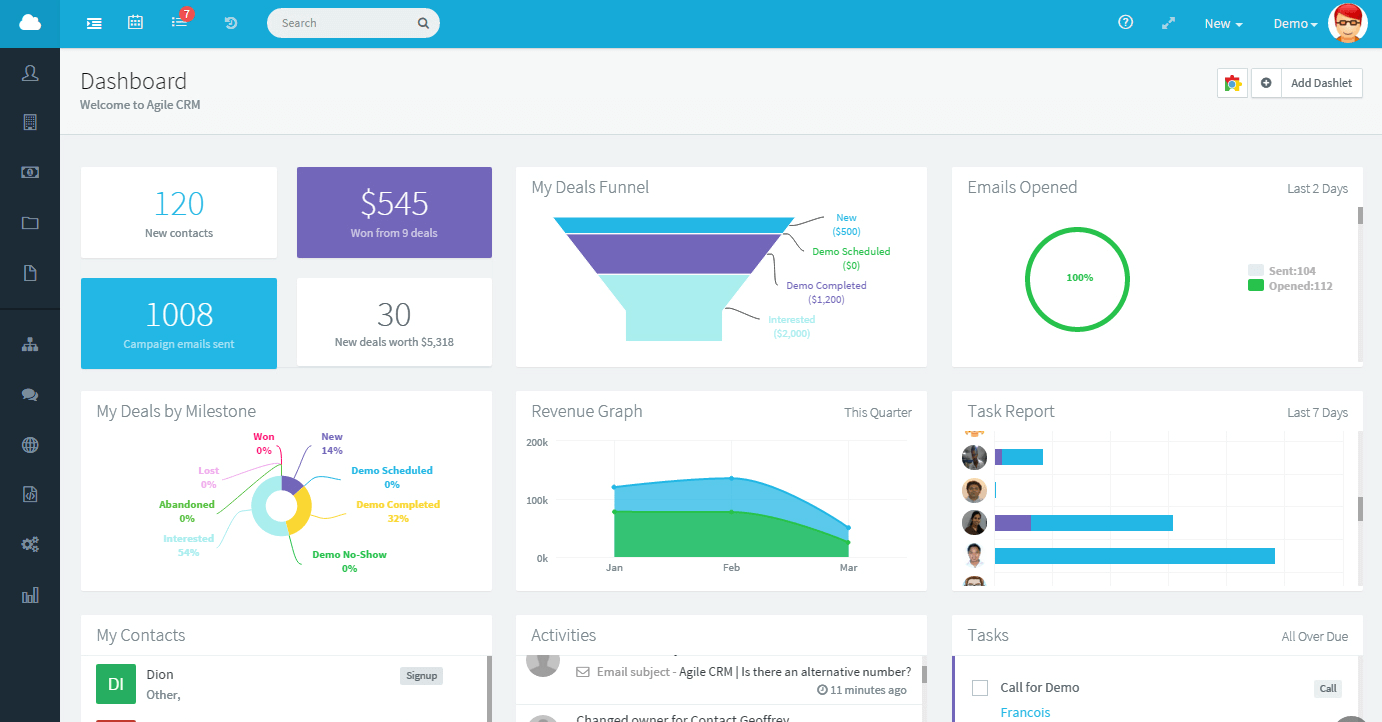
Agile CRM is a customer relationship management system that has the inbuilt marketing, sales and service automation tools. It was established in 2013 by Sharad Sharma (CEO), though it targets small and medium-sized enterprises to assist them in email campaigning, lead tracking, and data management of their customers under a single platform.
-
Founded: 2013
-
HQ: Hyderabad, India
-
CEO: Sharad Sharma
-
Market Cap: private
-
Revenue: (private)
-
Employees: (~50–100)
33. MyOperator
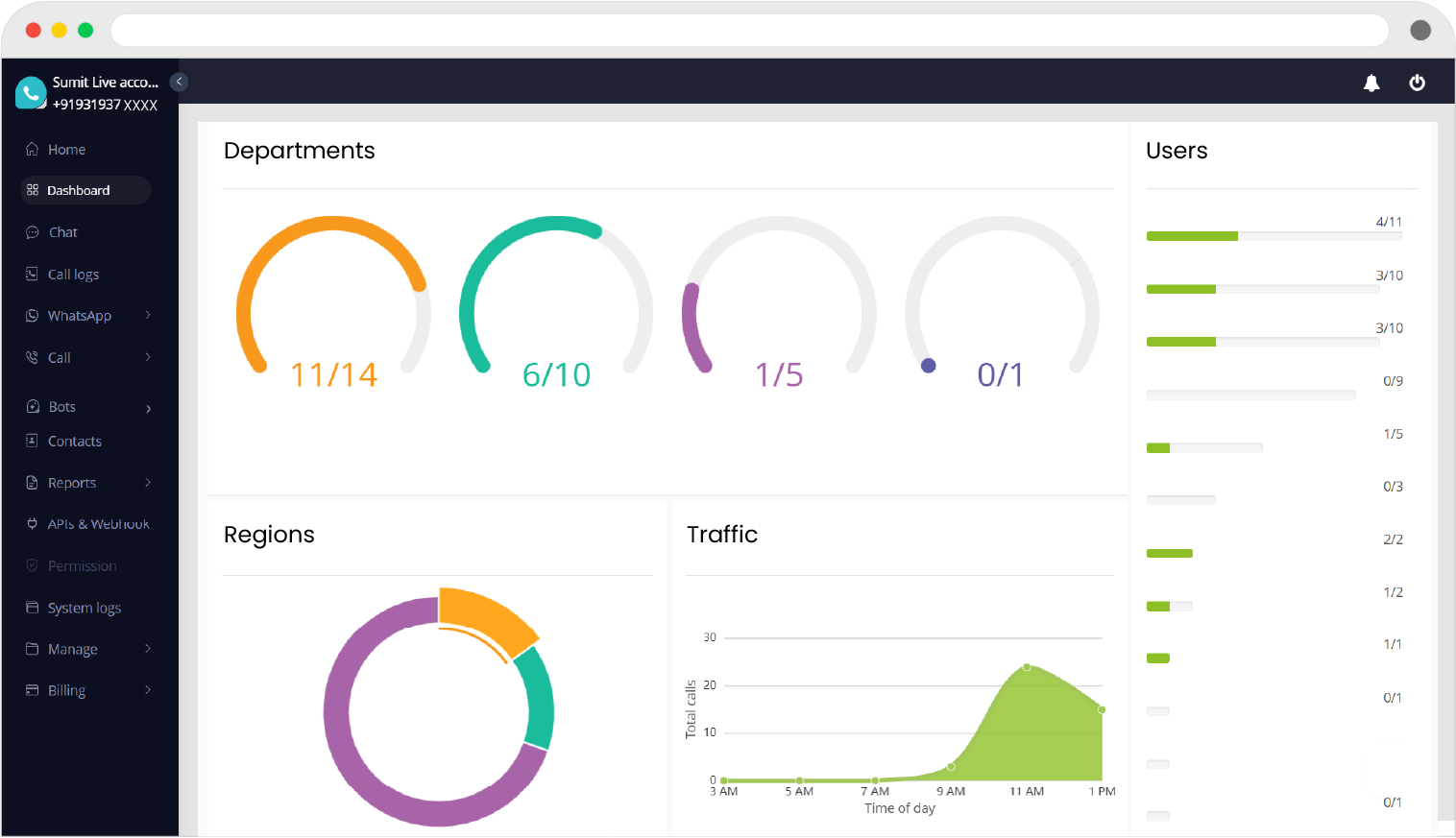
MyOperator provides cloud-based call management and IVR (interactive voice response) solutions for businesses. Founded in 2011 by Ayush Jain (CEO), it helps companies manage inbound calls, call tracking, and analytics through a simple online platform. MyOperator serves thousands of SMEs and call centers across India.
-
Founded: 2011
-
HQ: New Delhi, India
-
CEO: Ayush Jain
-
Market Cap: private
-
Revenue: (private)
-
Employees: (~100)
34. Chargebee
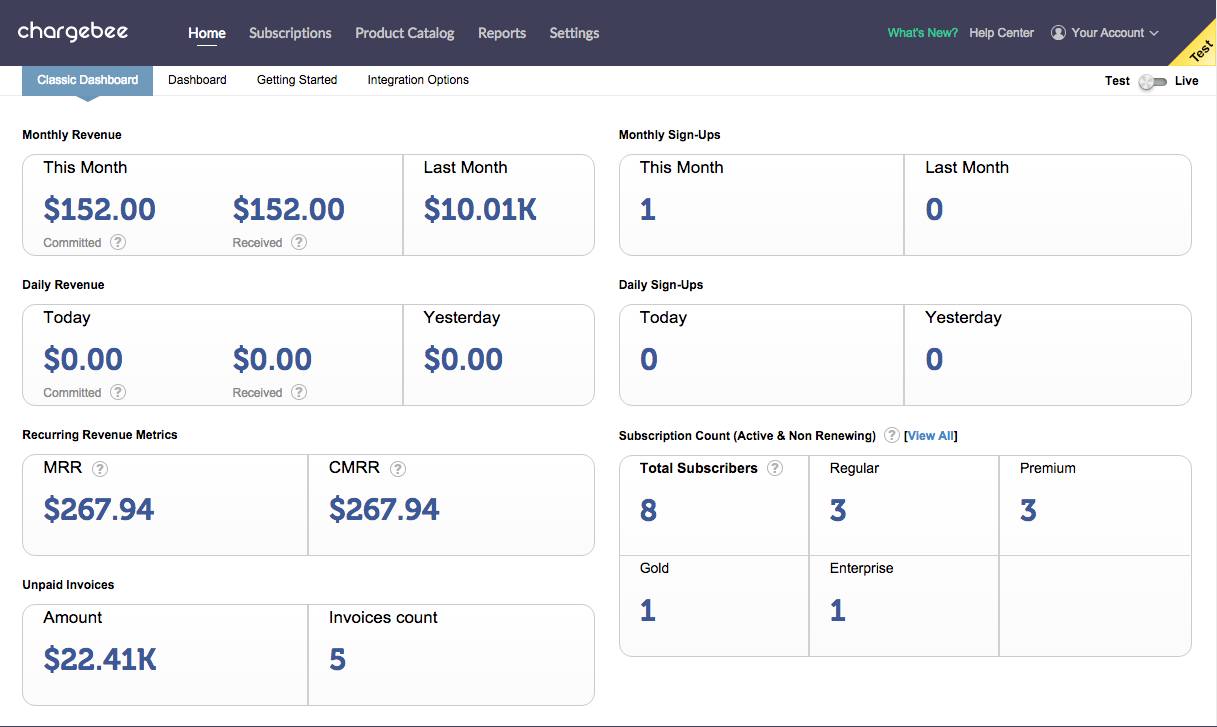
Chargebee is a SaaS Indian company which assists organizations to maintain subscription, billing, and payments automatically. Krish Subramanian (CEO) founded it in 2011 and it has thousands of customers around the world who are SaaS and e-commerce companies. In 2021, the company was made a unicorn and is valued approximately at 3.5 billion dollars with 1,200 or more employees. Chargebee is associated with making recurrent revenue management easier to manage among expanding businesses.
-
Founded: 2011
-
HQ: San Francisco, USA (with major offices in Chennai, India)
-
CEO: Krish Subramanian
-
Market Cap: private
-
Revenue: (private)
-
Employees: (~1,200)
35. Kissflow
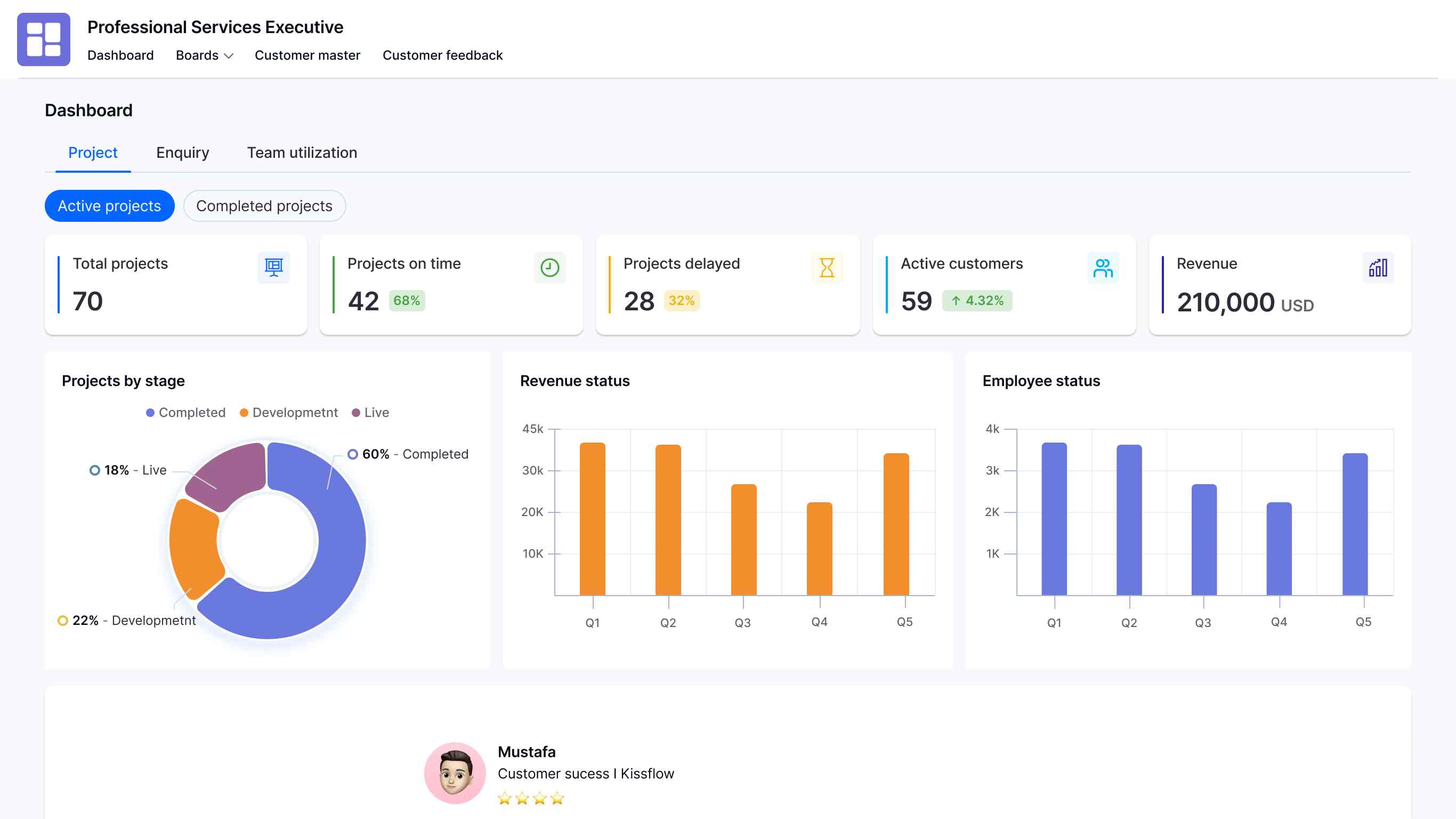
Kissflow is a workflow automation and no-code/low-code app development SaaS platform of Indian descent. It was established in 2012 by Suresh Sambandam (CEO) under the name OrangeScape, which allows non-developers to automate business processes (expenses, purchase orders, etc.). Kissflow employs approximately 400 people with more than 10000 business clients all over the world. It is privately owned, its income was estimated at approximately 9M ARR in the mid-2010s (growth rate of approximately 70 percent as of 2019).
-
Founded: 2012
-
HQ: Chennai, India (with USA office)
-
CEO: Suresh Sambandam
-
Market Cap: private (~$100 million)
-
Revenue: (est. tens of $M)
-
Employees: ~400
36. Darwinbox
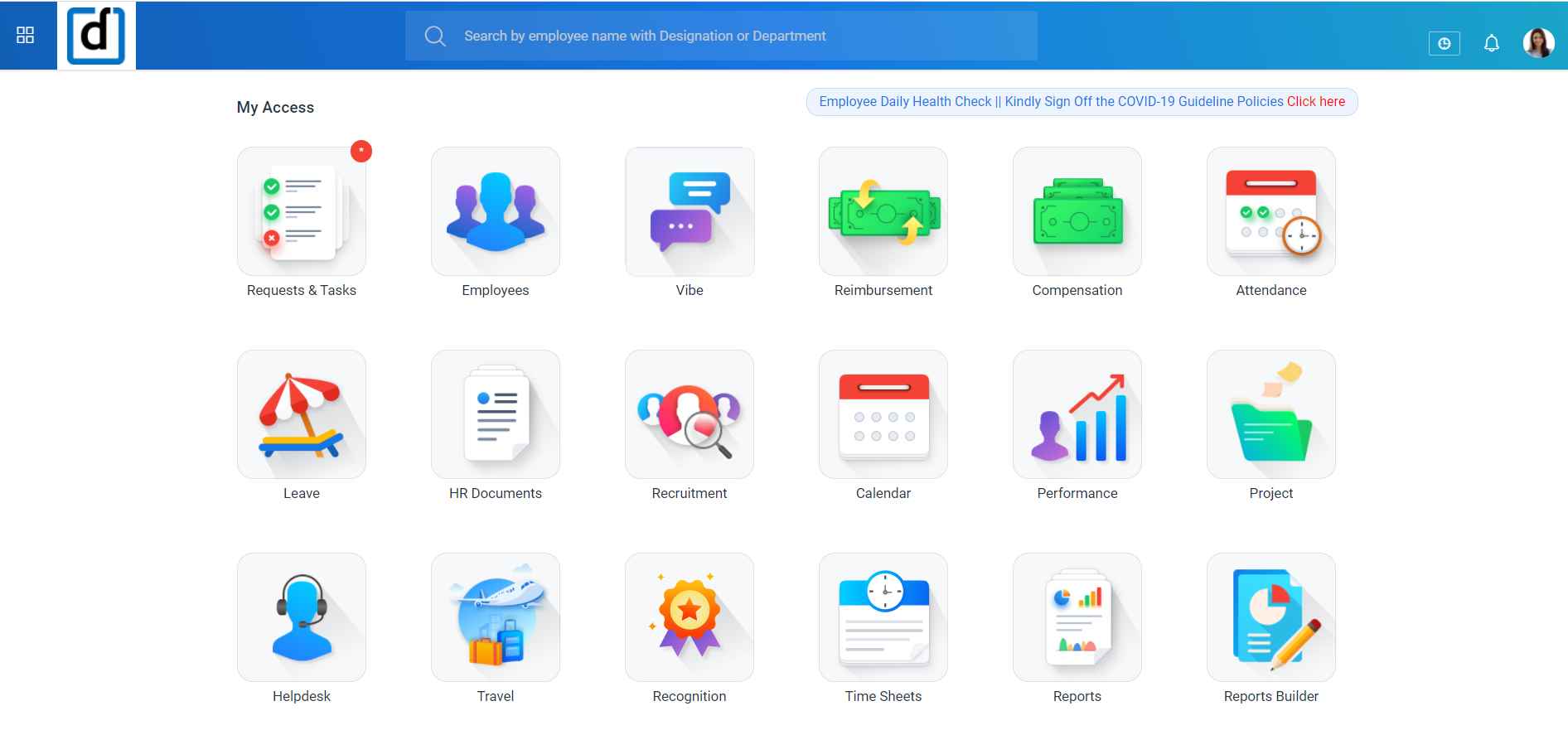
Darwinbox is an Indian people management and HR software which contains payroll, recruitment and attendance tracking tools. Darwinbox is a unicorn of approximately 1 billion dollars founded in 2015 by Jayant Paleti (CEO). It makes approximately $48 million a year and provides big business throughout India and Southeast Asia.
-
Founded: 2015
-
HQ: Hyderabad, India (and Singapore)
-
CEO: Jayant Paleti
-
Market Cap: ~$1.0 billion (₹8,410 Cr)
-
Revenue: ₹393 Cr (~$48 M) (2024)
-
Employees: ~1,500 (est.)
37. CleverTap
The CleverTap is a mobile analytics and marketing service that assists companies to predict user behavior and then deliver targeted messages via push messages, emails, and in-app campaigns. It was started in 2013 and is headed by Sunil Thomas (CEO), and is estimated to be worth about 775 million, working with leading mobile-first businesses.
-
Founded: 2013
-
HQ: Mumbai, India
-
CEO: Sunil Thomas
-
Market Cap: ~$1.1 billion (2022 est.)
-
Revenue: (private)
-
Employees: (~200)
39. Notion
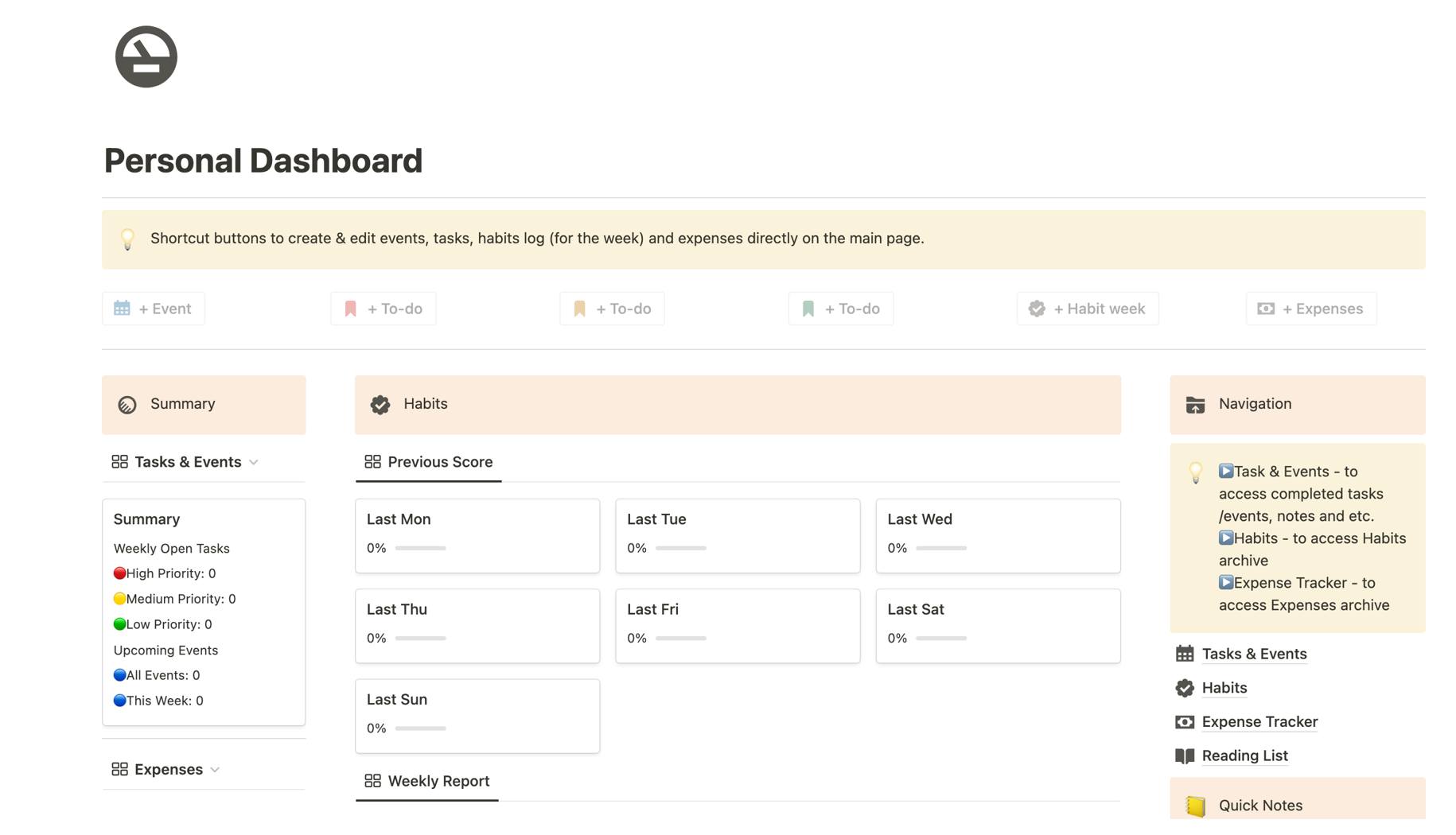
Notion is a universal workspace application consisting of notes, documents, databases, and teamwork. It was established in 2013 by Ivan Zhao (CEO), and currently has more than 100 million users around the world. In 2024, the Notion has a valuation of approximately 10 billion dollars, approximately 800 employees and it generated about 400 million dollars in revenue.
-
Founded: 2013
-
HQ: San Francisco, CA, USA
-
CEO: Ivan Zhao
-
Market Cap: ~$10 billion (2021 valuation)
-
Revenue: $400 million (2024)
-
Employees: 800
40. NetSuite
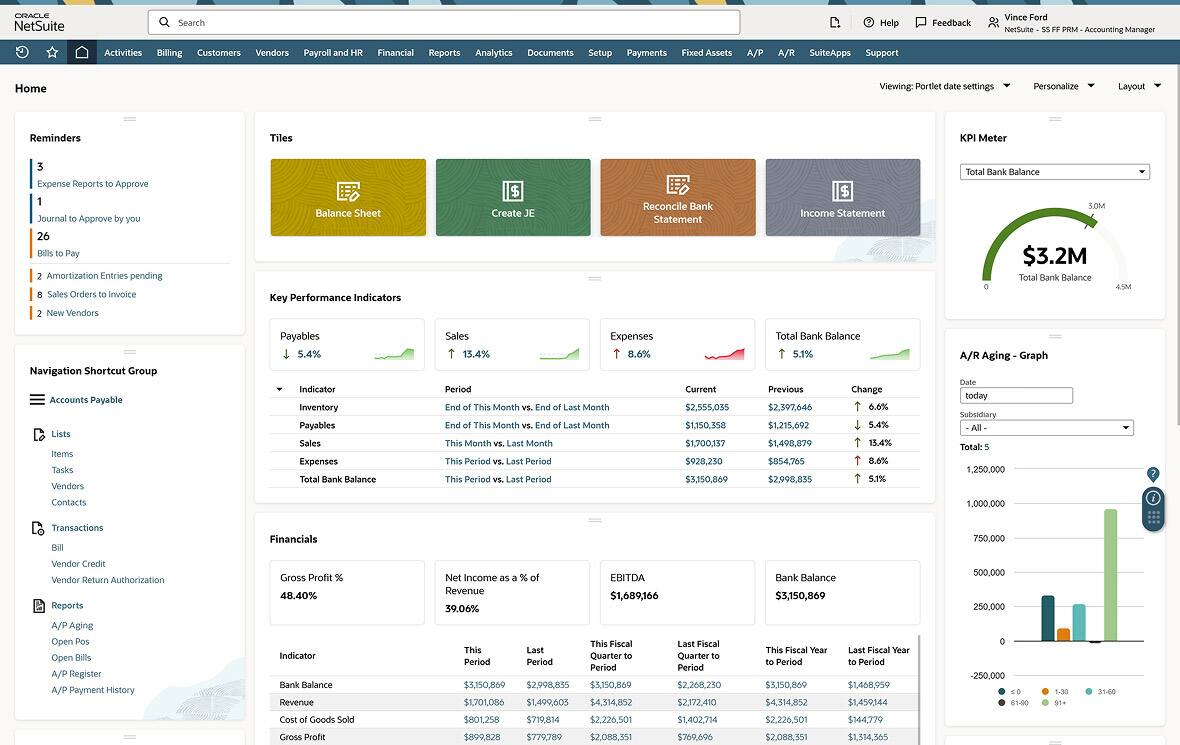
NetSuite is a cloud ERP platform, which is a part of Oracle, providing finance and CRM tools as well as e-commerce. It was started by Evan Goldberg in 1998 and serves middle-size and enterprise-based companies who are interested in operating their business on a single cloud-based platform.
-
Founded: 1998
-
HQ: Austin, TX, USA
-
CEO: Evan Goldberg (SVP at Oracle)
-
Market Cap: Oracle (parent) ~$198 B
-
Revenue: (Oracle Cloud segment includes NetSuite)
-
Employees: (Oracle total ~162,000)
Looking for a Cloud Management Platform?
Check out Techimply's Best Cloud Management Platform for your business.
41. Whatfix
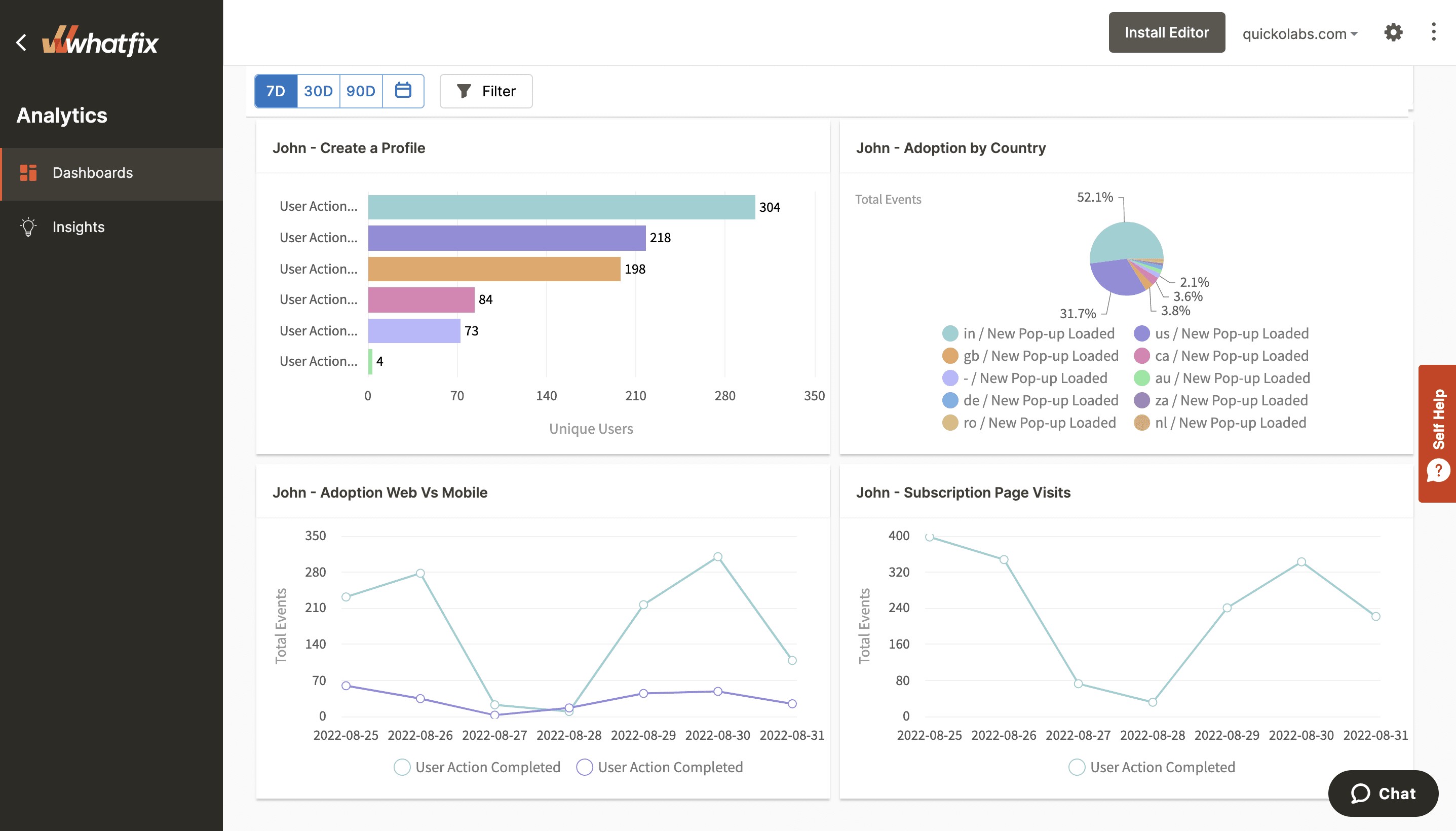
Whatfix is a business SaaS application of online adoption and in-app instructions. It was established in 2013 by Khadim Batti (CEO), and assists companies to onboard and train users on their software (such as pop-up tutorials and walkthroughs). Whatfix grew rapidly, nearly doubling workforce to over 960 employees by 2025, with a valuation near ₹6,830 Cr (~$820 M). It supports clients in tech, banking, and more.
-
Founded: 2013
-
HQ: Santa Clara, CA, USA (origin India)
-
CEO: Khadim Batti
-
Market Cap: ~$0.8–1 billion (₹6,830 Cr)
-
Revenue: (private)
-
Employees: 960+ (2025)
42. Grammarly
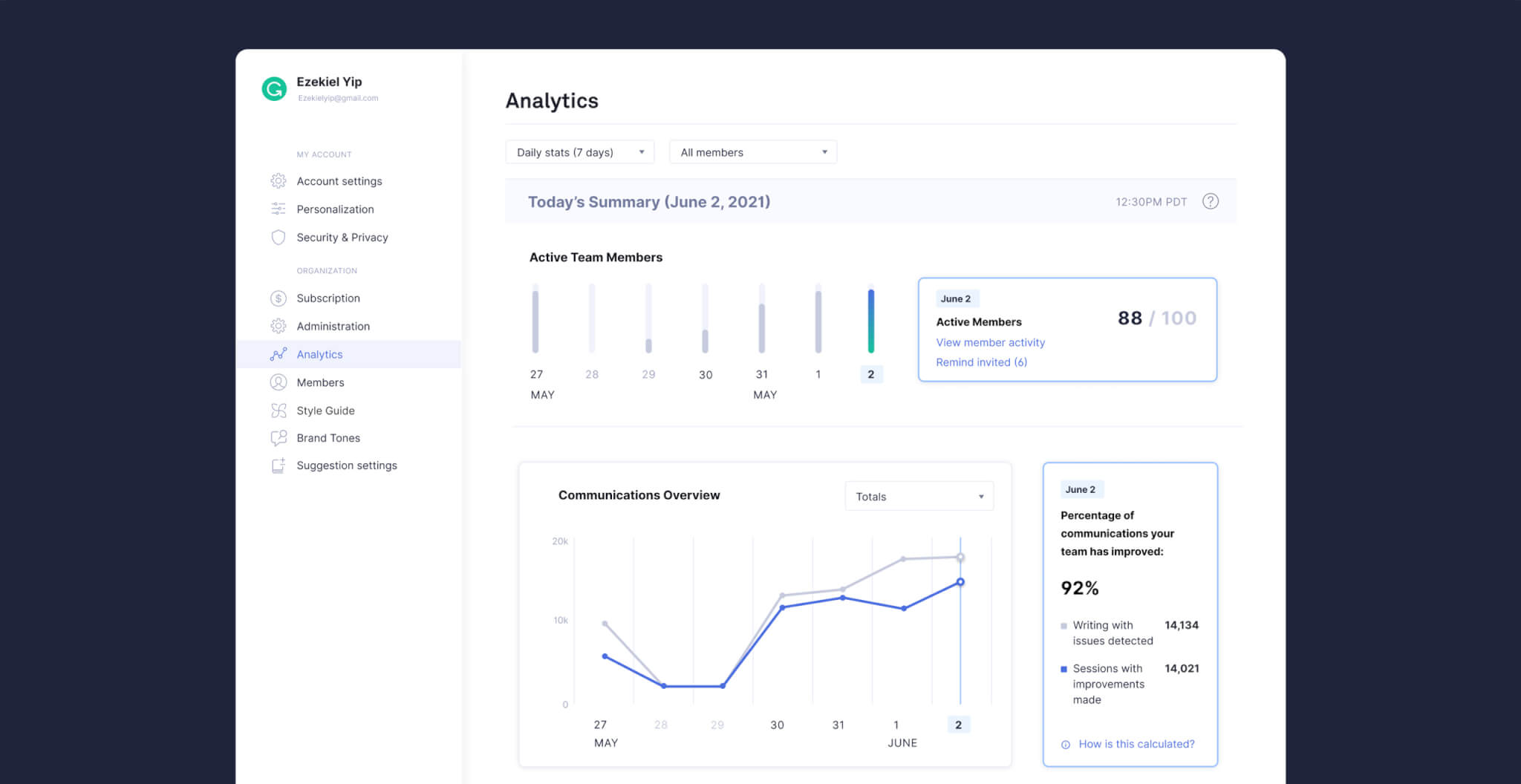
Grammarly is a popular writing assistant which uses AI to analyze the grammar, tone, and the style. It was started in 2009 by Shishir Mehrotra (CEO) and serves millions of users both in free and premium. Grammarly is worth $13 billion in 2021 and employs approximately 600 people.
-
Founded: 2009
-
HQ: San Francisco, CA, USA
-
CEO: Shishir Mehrotra (from 2023)
-
Market Cap: ~$13 billion (2021 valuation)
-
Revenue: ~$200 million (2021)
-
Employees: ~600
43. Snowflake
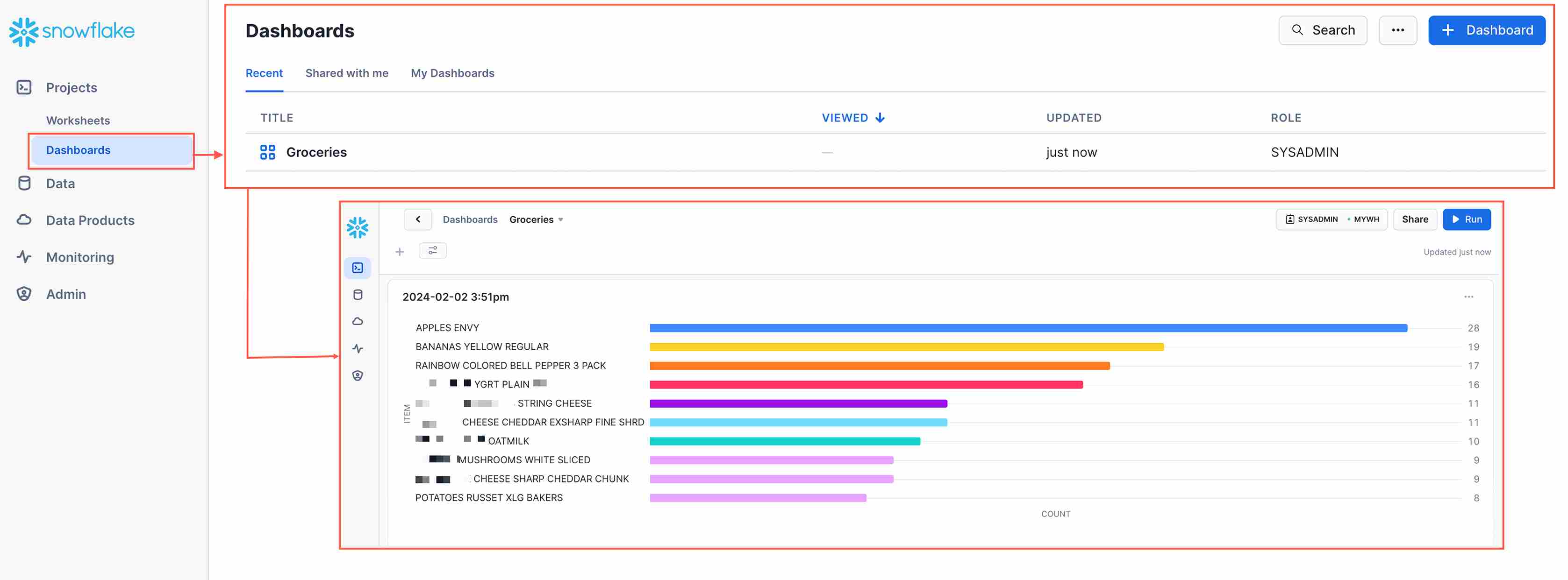
Snowflake is a cloud data platform that enables companies to store, manage and analyze data across more than one cloud vendor. It was co-founded in 2012 by Benoit Dageville, Thierry Cruanes and Marcin Zukowski before going public in 2020. It has an annual revenue of $3.63 billion in FY2025, employs 7,800 +, and a market capitalization of approximately 81.5 billion.
-
Founded: 2012
-
HQ: Bozeman, MT, USA
-
CEO: Frank Slootman (through 2024)
-
Market Cap: $81.49 billion
-
Revenue: $3.63 billion (FY2025)
-
Employees: 7,834
45. LeadIQ
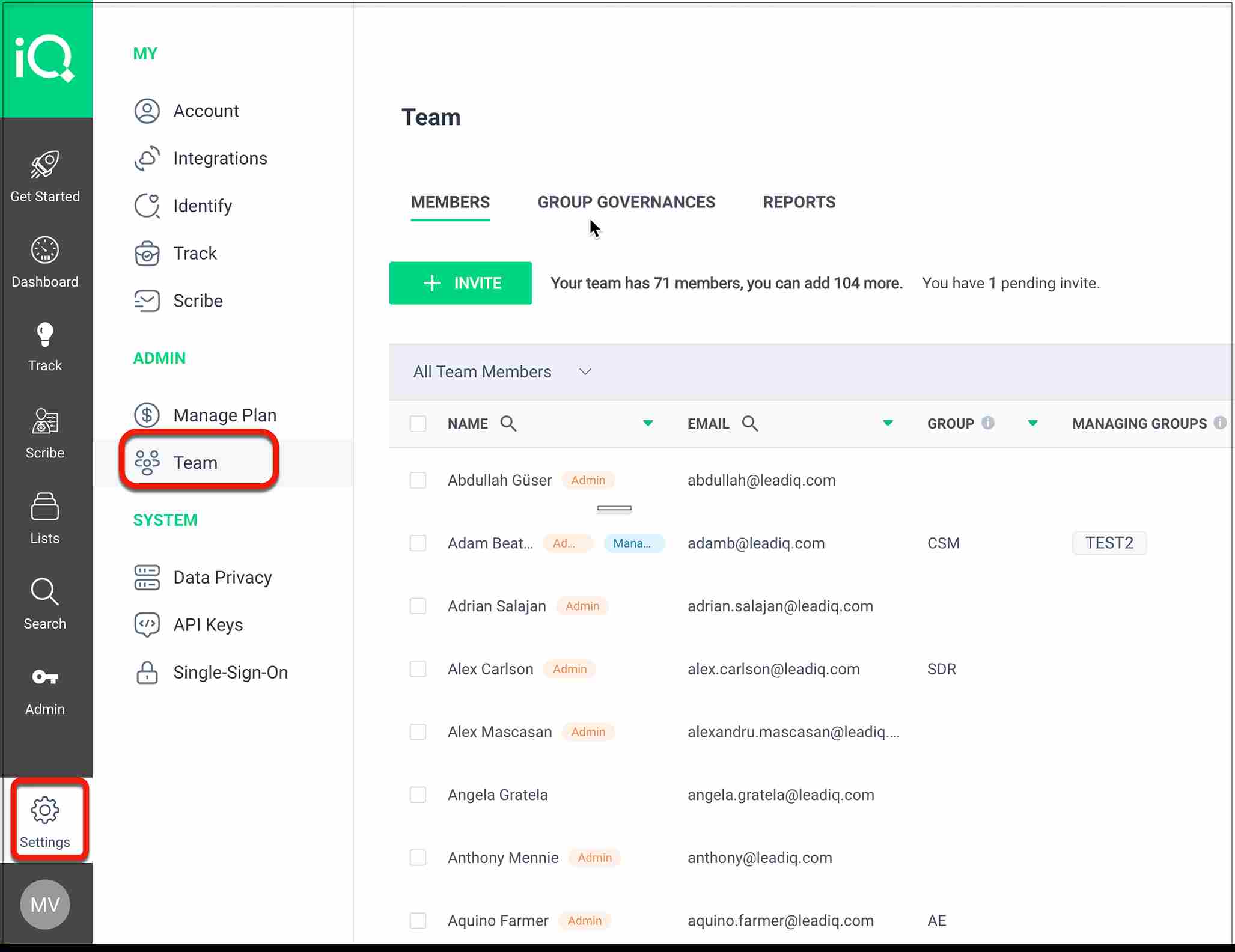
LeadIQ is a sales prospecting platform that helps sales teams find leads, capture contact details, and automate outreach. Founded in 2013, CEO Nina Godiwalla, LeadIQ made about $7.7 million in revenue (2024), raised $40 million in funding, and employs around 130 people.
-
Founded: 2013
-
HQ: San Francisco, CA, USA
-
CEO: Nina Godiwalla
-
Market Cap: private
-
Revenue: $7.7 million (2024)
-
Employees: 131 (2024)
46. Plaid
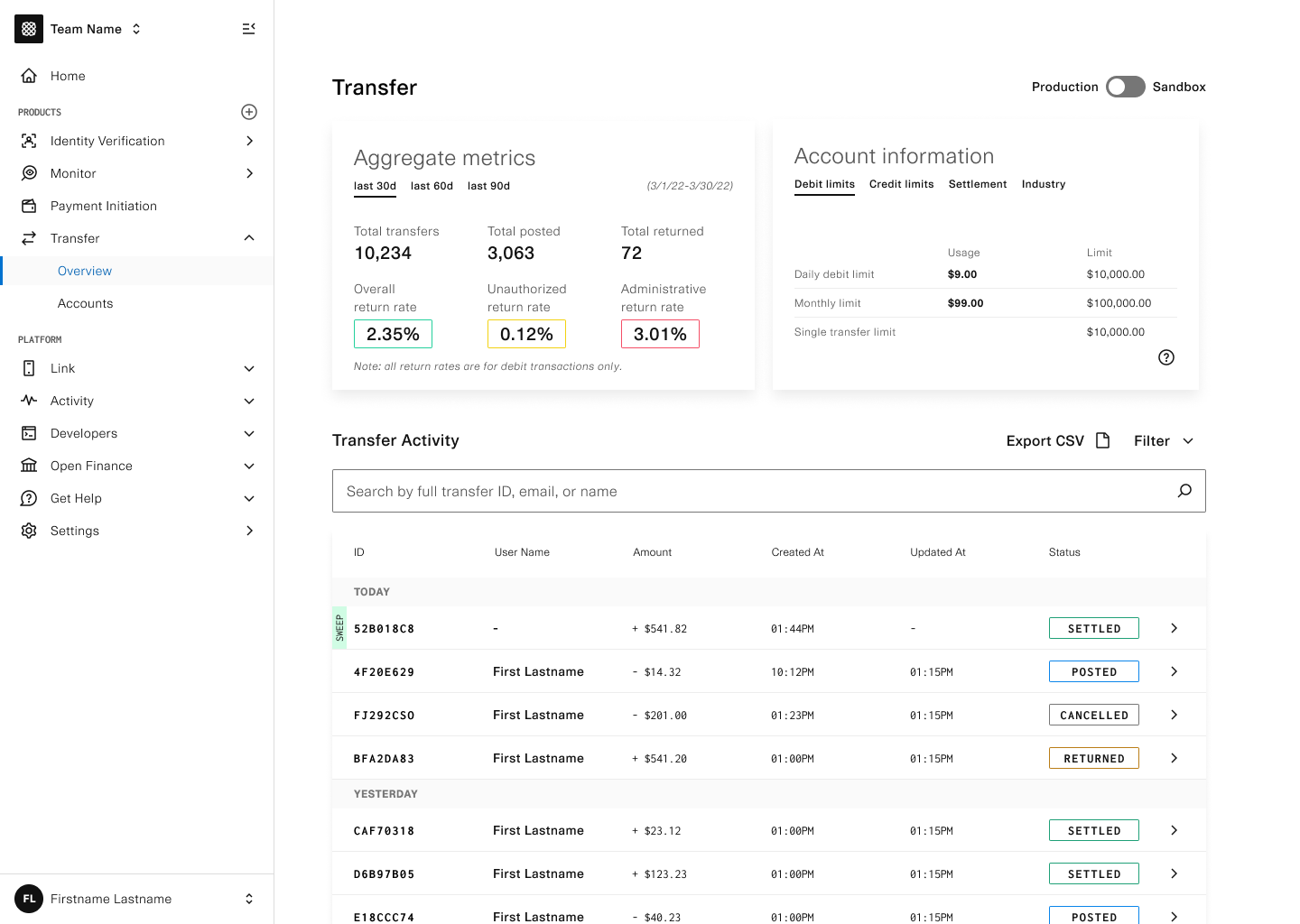
Plaid is a financial SaaS that offers financial services APIs (bank account linking, payments, verification). Plaid is an app integration company that was established in 2013 by Zachary Perret (CEO). Its 2021 valuation reached its highest point of 13.4billion; a 2025 funding round was priced at 6.1billion. Plaid earned approximately 390 million dollars in the year 2024. It employs approximately 2,000 people and works with thousands of fintech businesses.
-
Founded: 2013
-
HQ: San Francisco, CA, USA
-
CEO: Zachary Perret
-
Market Cap: ~$6.1 billion (2025)
-
Revenue: $390 million (2024)
-
Employees: ~2,000
47. Dataiku
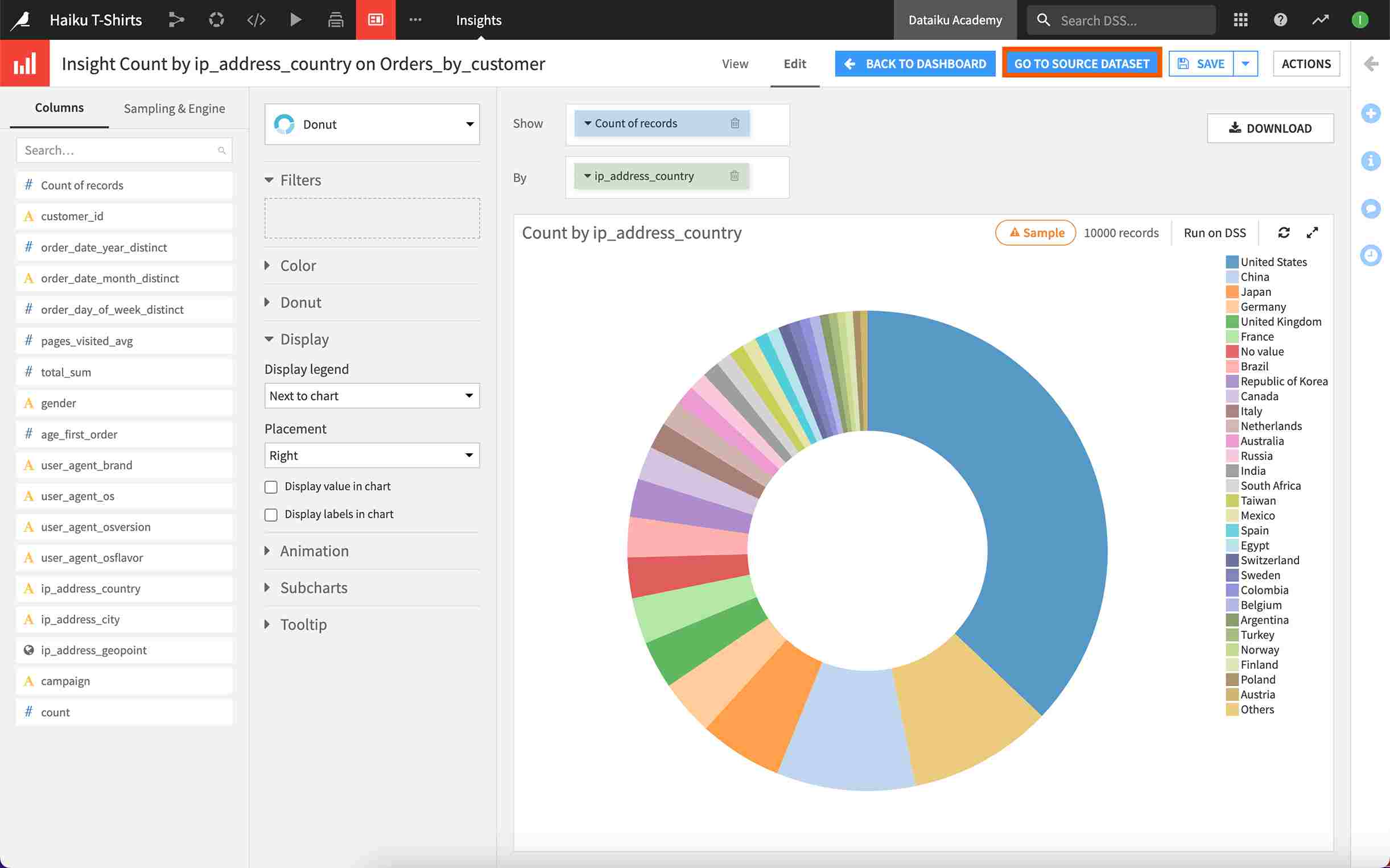
Dataiku offers an enterprise data science and machine learning platform (AI/ML SaaS). Founded in 2013 by Florian Douetteau (CEO), Dataiku’s software lets companies build data pipelines and predictive models. As a private unicorn, it was valued around $4.6 billion (2021) and had over 1,000 employees. Its FY revenue is estimated at a few hundred million.
-
Founded: 2013
-
HQ: New York, NY, USA (orig. Paris, France)
-
CEO: Florian Douetteau
-
Market Cap: ~$3.7–4.6 billion (recent valuations)
-
Revenue: (private, ~100–200M)
-
Employees: ~2,500 (2025 est.)
48. Sendbird
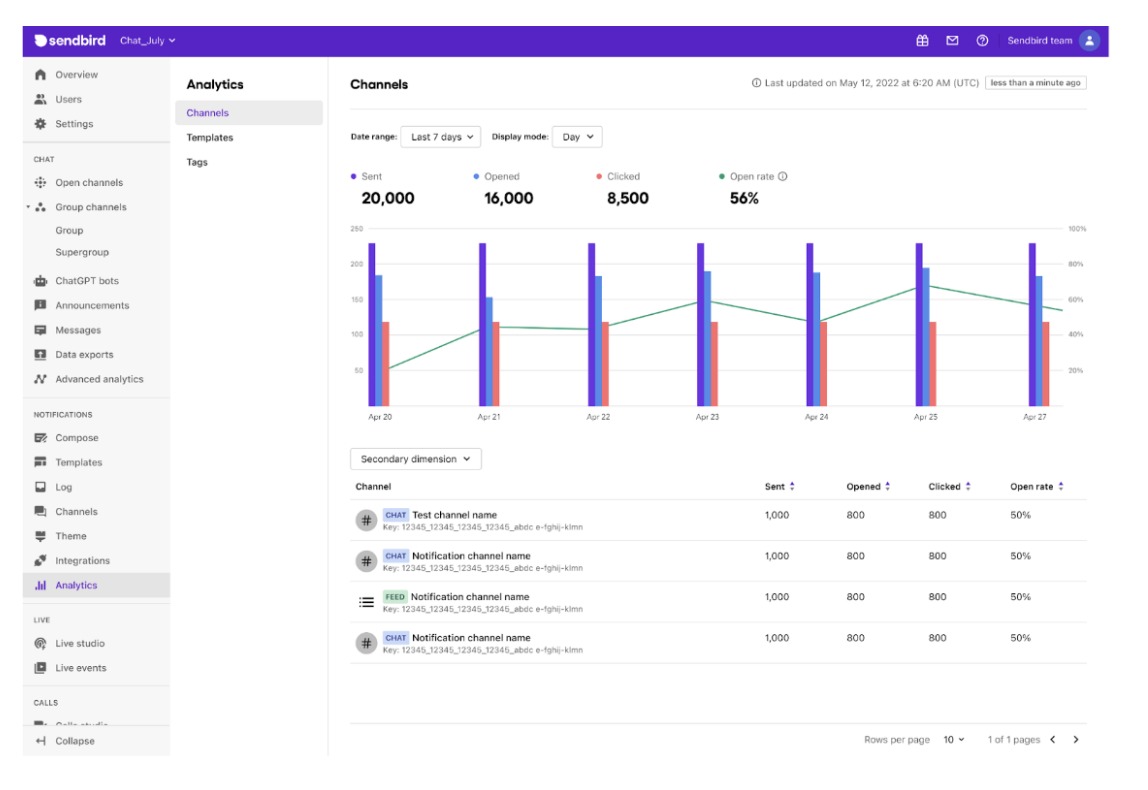
Sendbird is a SaaS platform providing in-app chat, voice, and video messaging APIs. Founded in 2013 by John S. Kim (CEO), it helps apps add chat features. Sendbird is a unicorn valued around $1 billion (2021). It has a few hundred employees and raised over $200 million in funding.
-
Founded: 2013
-
HQ: San Mateo, CA, USA
-
CEO: John S. Kim
-
Market Cap: ~$1 billion (2021 valuation)
-
Revenue: (private)
-
Employees: (~300)
49. Facilio
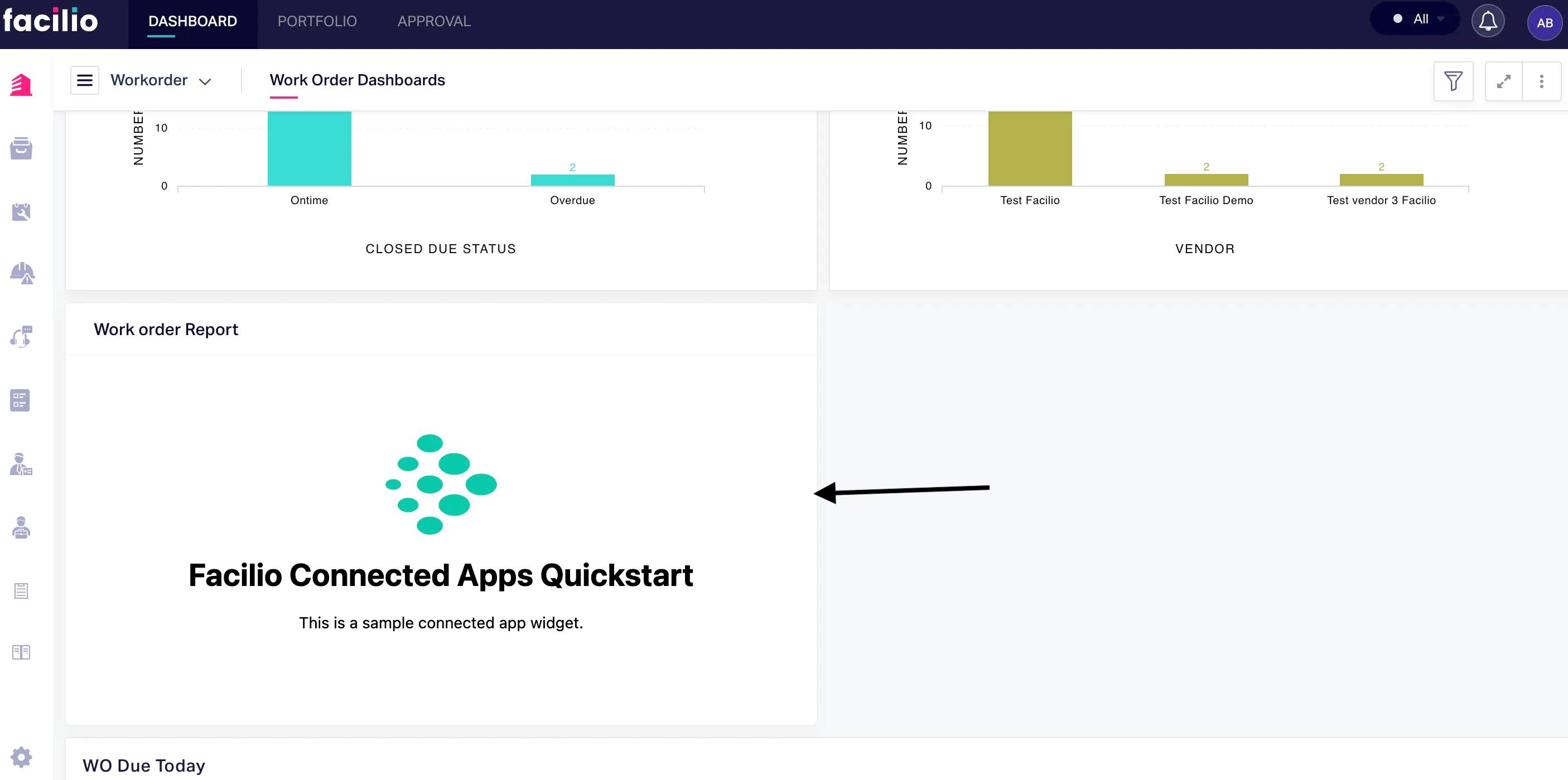
Facilio is a SaaS platform for real estate and facility management. Founded by Girish Rishi (CEO) in the mid-2010s, it uses AI and IoT to optimize building operations (HVAC, energy, maintenance). It’s based in the US with engineering in India. Facilio is growing rapidly among property managers, but specific financials aren’t public.
-
Founded: ~2014–2015
-
HQ: Orlando, FL, USA
-
CEO: Girish Rishi
-
Market Cap: private
-
Revenue: (private)
-
Employees: (~150)
50. Druva
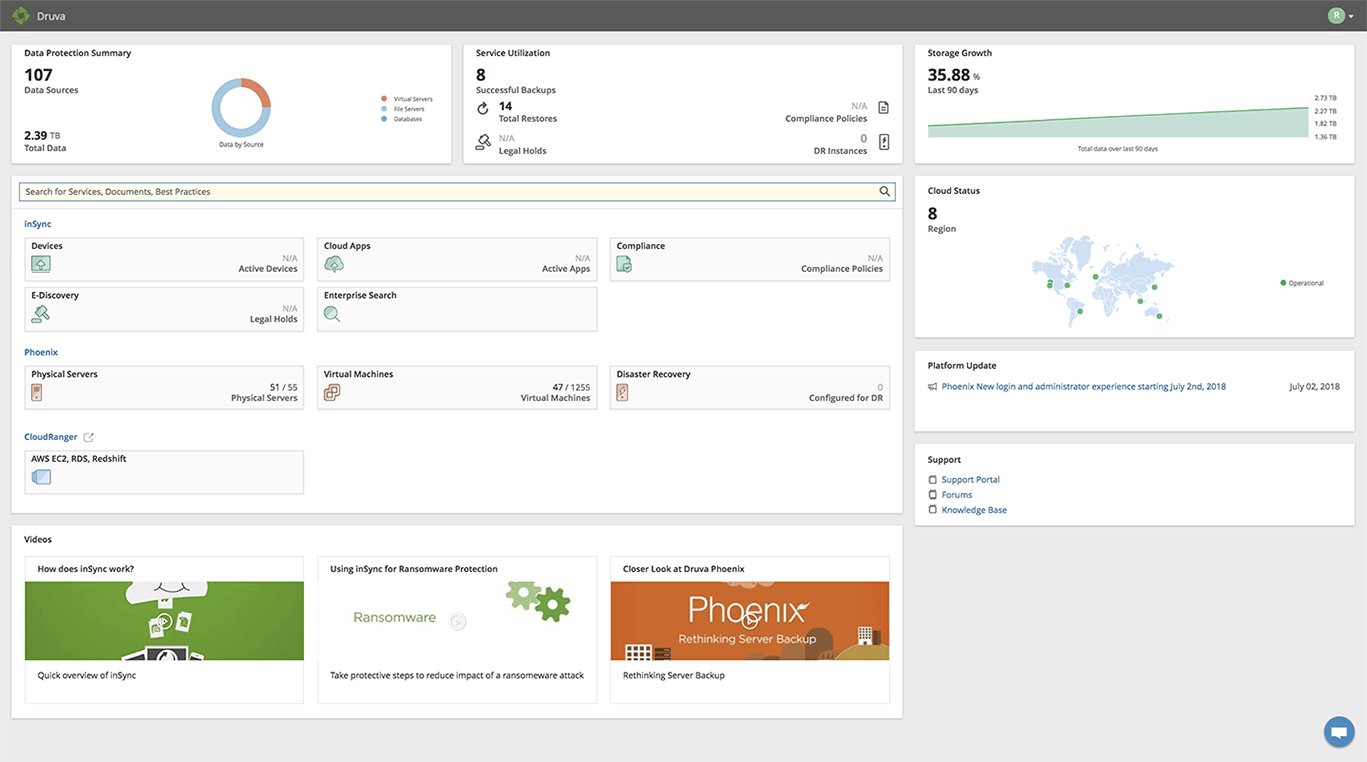
Druva provides cloud data protection and backup SaaS. Founded in 2008 by Jaspreet Singh (CEO), it offers backup and recovery for servers, endpoints, and SaaS apps. By 2019 Druva surpassed $100 million ARR. It had ~1,000 employees by 2022. Druva’s total valuation reached ~$2 billion in 2021.
-
Founded: 2008
-
HQ: Sunnyvale, CA, USA (orig. Pune, India)
-
CEO: Jaspreet Singh
-
Market Cap: ~$2 billion (2021)
-
Revenue: $100 million+ (2019)
-
Employees: 1,000+
51. SailPoint
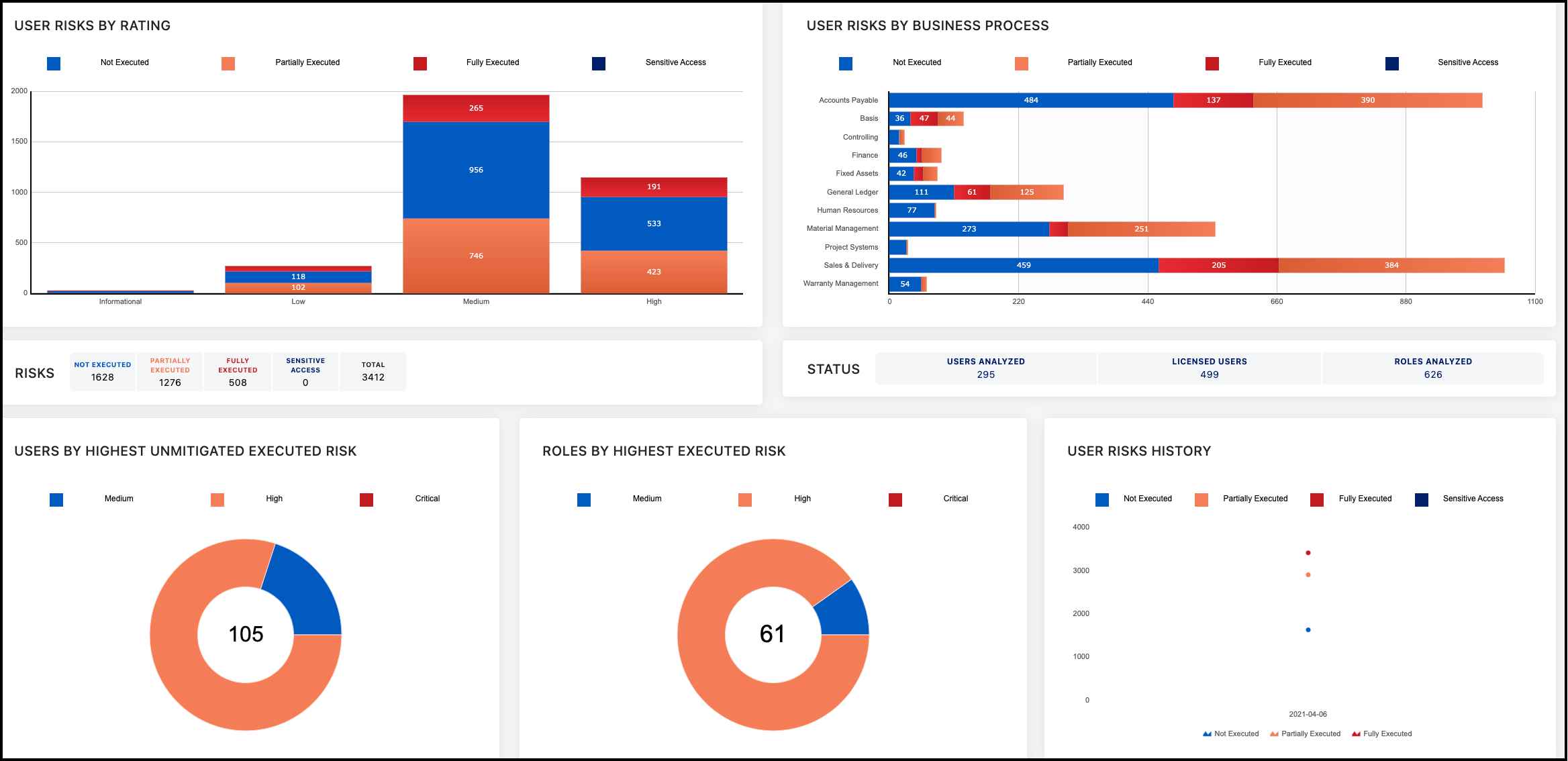
SailPoint offers identity governance SaaS for managing user access and security. Founded in 2005 by Mark McClain (CEO), it helps enterprises manage identities in the cloud. Its market cap is about $8 billion (2025). In FY2024 SailPoint’s revenue was ~$881 million. The company employs roughly 2,500 people.
-
Founded: 2005
-
HQ: Austin, TX, USA
-
CEO: Mark McClain
-
Market Cap: ~$8 billion
-
Revenue: ~$881 million (FY2024)
-
Employees: ~2,500
52. Persona
Persona provides a SaaS identity verification platform (KYC/AML) for apps. Founded in 2020 by Rick Song (CEO), Persona helps companies onboard users securely. It has raised $278 million and reached unicorn status. Persona’s ARR has been reported at over $100 million by 2022.
-
Founded: 2020
-
HQ: San Francisco, CA, USA
-
CEO: Rick Song
-
Market Cap: unicorn ($1+B)
-
Revenue: ~$100 million ARR (2022)
-
Employees: (~150)
53. Tailscale
Tailscale is a SaaS-based VPN and network overlay platform. Founded in 2019 by Avery Pennarun (CEO), it enables secure peer-to-peer networking using WireGuard. It’s bootstrapped and profitable. In 2023 Tailscale’s revenue was about $18.5 million with 123 employees. The company is valued near $1 billion.
-
Founded: 2019
-
HQ: Toronto, Canada
-
CEO: Avery Pennarun
-
Market Cap: ~$1 billion (2023 funding)
-
Revenue: $18.5 million (2023)
-
Employees: 123 (2023)
54. DocuSign
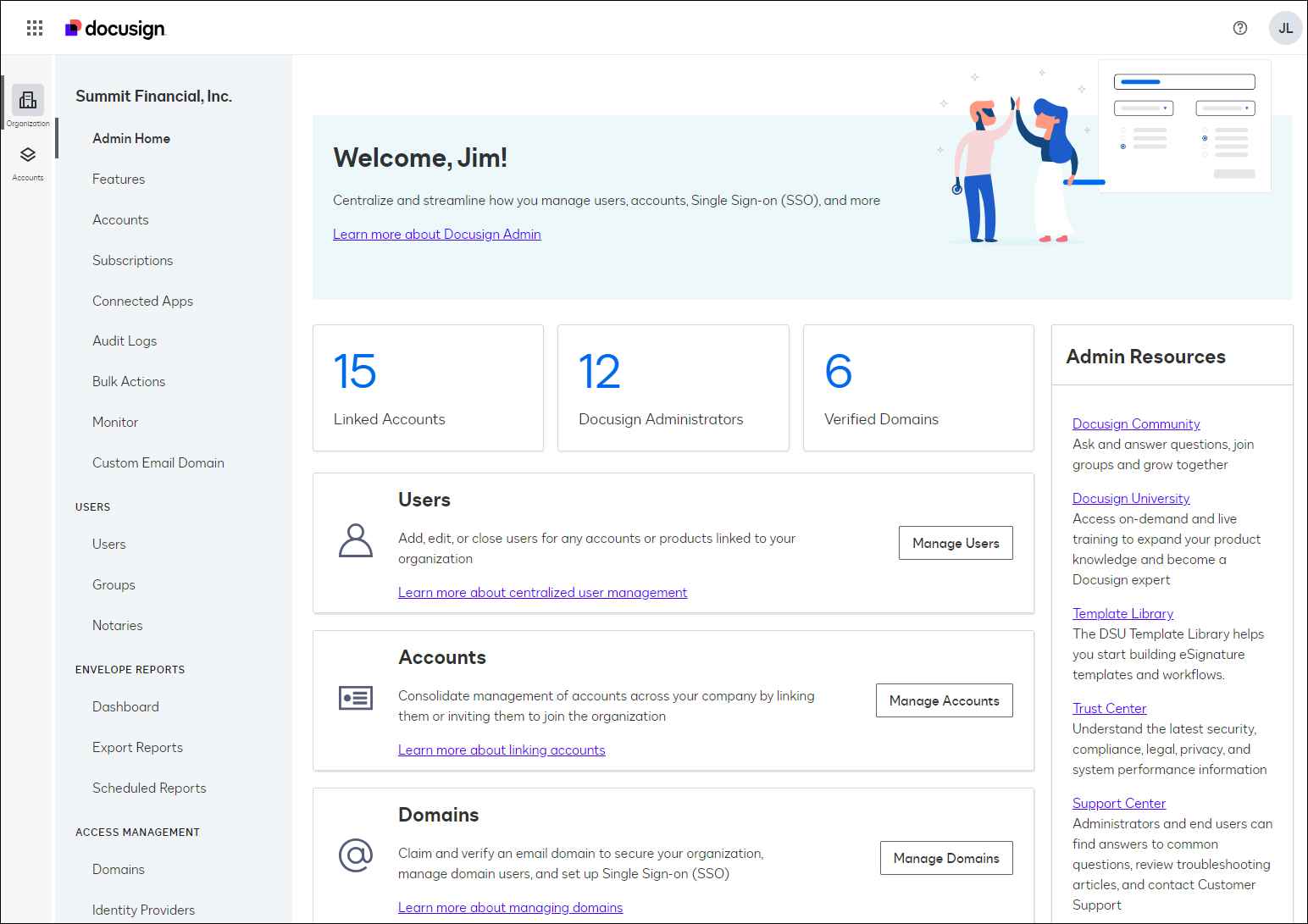
DocuSign is the market leader in electronic signature and agreement cloud services. Founded in 2003, its CEO is Allan Thygesen. In FY2023 DocuSign’s revenue was $2.5 billion. It employs ~7,000 people worldwide and has a market cap around $23 billion (2025). Its SaaS tools allow digital signing of contracts and workflow automation.
-
Founded: 2003
-
HQ: San Francisco, CA, USA
-
CEO: Allan Thygesen
-
Market Cap: ~$23 billion (2025)
-
Revenue: $2.5 billion (FY2023)
-
Employees: ~7,000
55. ServiceNow
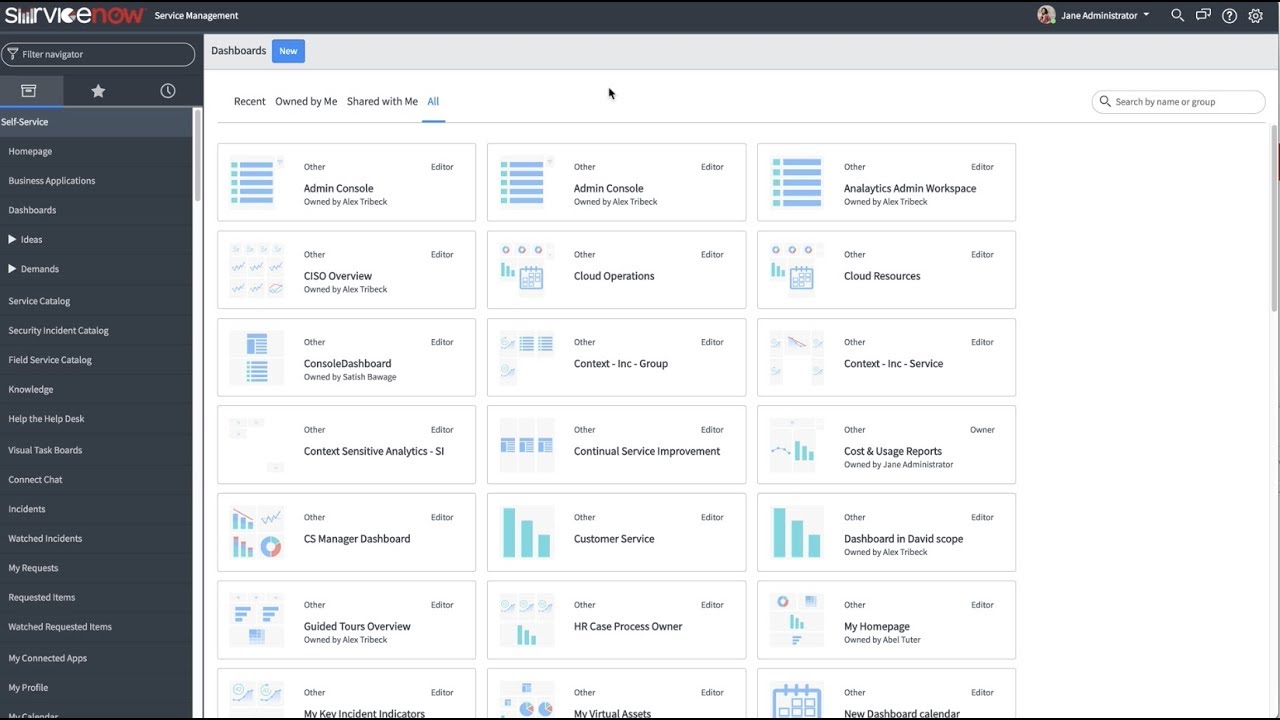
ServiceNow provides a cloud platform for enterprise IT service management and workflow automation. Founded in 2004, its co-founder Bill McDermott became CEO in 2022. In 2024 ServiceNow’s revenue was $8.91 billion (21% growth). It has around 20,000 employees and a market cap of roughly $120 billion (2025). ServiceNow’s tools help companies manage tickets, HR, customer service, and more via AI-powered workflows.
-
Founded: 2004
-
HQ: Santa Clara, CA, USA
-
CEO: Bill McDermott
-
Market Cap: ~$120 billion (2025)
-
Revenue: $8.91 billion (FY2024)
-
Employees: ~20,000
56. CloudTalk
CloudTalk is a cloud-based business calling software designed to help sales and support teams manage customer communication more efficiently. The platform enables companies to handle inbound and outbound calls globally, automate call workflows, and gain actionable insights through advanced analytics and integrations with popular CRM and helpdesk tools.
Founded in 2016, CloudTalk focuses on improving call productivity, call quality, and customer experience for fast-growing SaaS companies, ecommerce brands, and support-driven businesses. Its solution combines VoIP technology, AI-powered features, and seamless integrations, allowing teams to scale customer communication without complex infrastructure. CloudTalk has established a strong presence in international markets, particularly across Europe and North America.
Founded: 2016
HQ: Bratislava, Slovakia
CEO: Martin Malych
Market Cap: Private
Employees: 168
57.
Hiver
Hiver is a help desk software purpose-built to foster seamless customer support. Hiver focuses on centralizing customer communications, facilitating personalized interactions, optimizing workflows, and delivering crucial performance analytics.
Starting at $0.00
✓ Easy-to-use
✓ Unified workspace
✓ Seamless integrations
Pricing Visit Site
Future Trends in SaaS Companies
The world SaaS market will have an estimated value of $299 billion by 2025 due to the development of AI, industry-oriented solutions, and changing pricing patterns. The following are the major trends that define the future of SaaS:
-
AI and Machine Learning Integration
The evolution of SaaS platforms is due to the use of AI, which has automated tasks and made user experiences personal, and improved decision-making. As an example, , Microsoft's Security Copilot uses AI to assist cybersecurity professionals in identifying and responding to threats. Such integration enables businesses to be more productive, and to make decisions based on data.
-
Industry-Specific (Vertical) SaaS
Vertical SaaS specializes in delivering a specific industry solution, like healthcare, hospitality, or education. As an illustration, Treebo Hospitality Ventures released an AI-based hotel management system named Hotel Superhero that is meant to run in an independent hotel. Specialized platform satisfies the unique industry needs and provides more specific and effective tools.
-
Enhanced Cybersecurity
With the changing nature of cyber threats, SaaS providers are focusing on security. The Identity Security Fabric offered by Okta presents new standards such as Cross App Access (XAA) when interacting with AI agents. These are some of the measures that can make SaaS applications secure and reliable to users.
-
Remote Work and Collaboration Tools
Remote work has led to the increased use of SaaS solutions that enable collaboration. Platforms offering features like real-time communication, file sharing, and project management are essential for teams working from different locations. The tools can be used to sustain the productivity and team spirit of remote teams.
-
Flexible Pricing Models
SaaS providers are moving to flexible pricing models (usage based or tiered subscriptions) to suit different customer requirements. In this way, a business can only pay a certain amount when it uses it thus SaaS solutions are more affordable and available.
Conclusion
SaaS has become more of a business necessity than a business buzzword, providing the force behind sales, Human Resources, analytics, and customer support. The most successful SaaS companies are the ones that are innovative and reliable so that, with SaaS solution, there is ease of the way you conduct business, work, and grow. As demand increases, the leading SaaS firms in India are competing internationally with intelligent, scalable and low cost products. These platforms cannot be explained by software alone but rather by the idea of utilizing technology to be ahead. The future of platforms will be about those that bring value fast, scale easily and change with your needs in 2025.