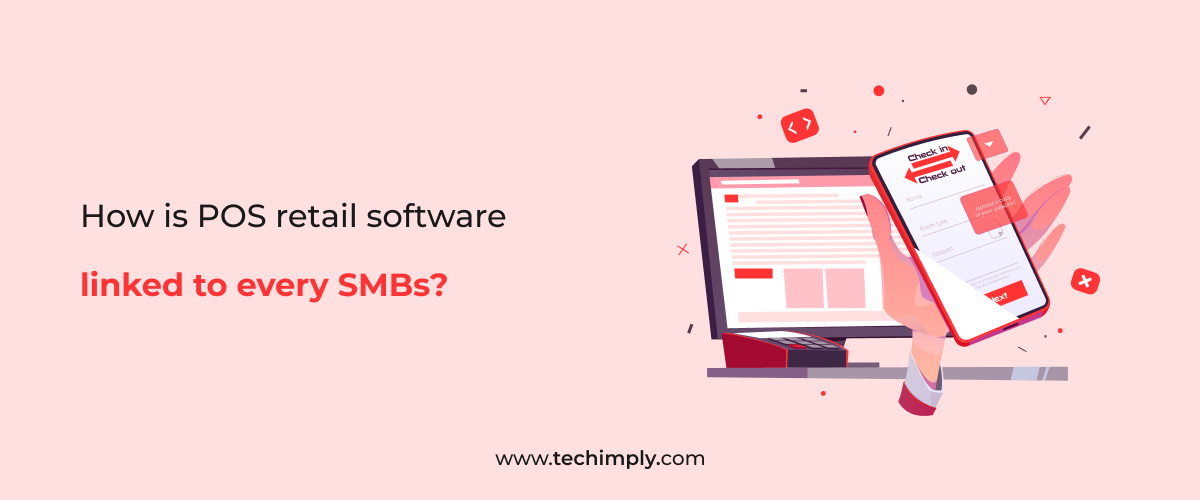
The retail pos is evolving faster than ever in 2026. From AI-powered inventory monitoring to omnichannel buying reports, organizations now need smarter equipment to control day by day operations efficiently. One of the most crucial technologies using this transformation is the Retail POS System.
Whether you run a supermarket, convenience keep, grocery chain, or multi-vicinity retail commercial enterprise, choosing the right POS solution can without delay impact income, customer revel in, and profitability. Modern retailers no longer use POS system simplest for billing. Today’s advanced retail POS software enables companies manage stock, customer loyalty, eCommerce integration, analytics, worker overall performance, or even ERP workflows from a single dashboard.
In this manual, you’ll discover ways to choose the best retail POS system to your keep in 2026, the features you should prioritize, and how the right solutions can streamline your retail operations.

Looking for Retail POS Software?
Check out Techimply's List of the Best Retail POS Software for your business.
What Is a Retail POS System?
A Retail POS System is a combination of hardware and software that allows stores procedure sales transactions, manage inventory, track customer purchases, and display business performance
The modern retail management system definition goes far beyond cash registers. Today’s POS platforms integrate multiple business functions including:
- Inventory management
- Customer relationship management
- Sales reporting
- Staff management
- Accounting integration
- Omnichannel selling
- Supplier management
- eCommerce synchronization
Businesses of all sizes now rely on retail POS software program to enhance operational performance and decrease manual work.
Why Retail Businesses Need Advanced POS Software in 2026
Retail opposition has increased notably because of digital transformation and changing consumer conduct. Customers expect quicker checkouts, personalised reports, on-line ordering alternatives, and accurate inventory availability.
An advanced POS system helps retailers:
- Reduce billing errors
- Improve inventory accuracy
- Prevent stock shortages
- Increase customer retention
- Optimize retail operations
- Analyze sales trends using retail POS data
- Manage a couple of retailers centrally
- Without modern POS software , shops often war with disconnected systems, stock mismatches, and inefficient workflows.
Key Features to Look for in Retail POS Software
Choosing the proper retail POS software calls for comparing capabilities that in shape your enterprise size, industry, and destiny growth plans
1. Inventory Management Capabilities
Inventory management is one of the most critical functions of a retail POS system. Your software should track stock levels in real time and automatically update inventory after every transaction.
Look for features such as:
- Barcode scanning
- Automated stock alerts
- Batch tracking
- Expiry management
- Purchase order automation
- Supplier management
For grocery stores and supermarkets, advanced grocery store inventory software can help manage fast-moving and slow-moving products efficiently.
2. Multi-Location Support
Retail chains and franchises need POS software for multiple locations. Centralized dashboards permit groups to display sales, inventory, and worker overall performance throughout all branches.
Key advantages include:
- Unified inventory management
- Centralized pricing control
- Shared customer loyalty programs
- Branch-wise reporting
- Real-time stock transfers
If you intend to scale your retail business within the destiny, multi-place guide need to be a top priority.
3. eCommerce Integration
Omnichannel retailing is vital in 2026. Customers now save both on-line and offline, making factor of sale ecommerce integration extremely important.
A modern POS must combine seamlessly with:
- Shopify
- WooCommerce
- Magento
- Amazon
- Mobile apps
- Delivery platforms
This guarantees synchronized stock, consistent pricing, and unified customer information across all sales channels.
4. Advanced Analytics and Retail POS Data
Data-driven choice-making facilitates retailers live aggressive. Modern POS systems generate special retail POS statistics that gives insights into:
- Best-selling products
- Peak sales hours
- Customer purchasing patterns
- Employee productivity
- Inventory turnover
- Profit margins
Advanced reporting tools help businesses identify trends and improve profitability.
5. Cloud-Based Accessibility
Cloud-based POS systems have come to be the standard in 2026. Unlike traditional on-premise software program, cloud POS solutions allow stores to get right of entry to enterprise information whenever and everywhere.
Benefits include:
- Remote business monitoring
- Automatic software updates
- Improved data security
- Lower hardware costs
- Easier scalability
Cloud systems are especially useful for businesses managing multiple stores.
6. Integrated ERP Capabilities
Large retailers and supermarkets often require ERP software for supermarket management to streamline operations.
ERP-enabled POS systems combine:
- Finance management
- Procurement
- Warehouse operations
- HR management
- Supply chain tracking
- Accounting automation
Businesses with complex workflows can benefit significantly from integrated supermarket software solutions.
Best POS Systems for Different Retail Businesses
Different retail sectors have unique operational requirements. Here’s how to choose the best solution for your industry.
Convenience Stores
Convenience store software systems should support:
- Fast billing
- Barcode scanning
- Inventory automation
- Lottery and tobacco sales
- Customer loyalty programs
Speed and reliability are essential because convenience stores handle high transaction volumes day by day.
Grocery Stores and Supermarkets
Supermarkets require advanced supermarket software with features like:
- Weight scale integration
- Fresh produce management
- Expiry date tracking
- Bulk inventory handling
- Supplier management
- ERP integration
Grocery companies additionally benefit from wholesale inventory management software to control providers and warehouse inventory efficiently.
Fashion and Lifestyle Retailers
Fashion retailers need POS solutions that support:
- Product variants
- Color and size tracking
- Customer loyalty programs
- Mobile payments
- Omnichannel integration
- AI-powered guidelines and customer analytics are getting increasingly more valuable in fashion retail.
Wholesale Businesses
Wholesale retailers require robust and inventory pricing management features. Wholesale inventory management software program can assist automate bulk orders, dealer relationships, and warehouse operations..
Important features include:
- Tiered pricing
- Purchase management
- Bulk invoicing
- Warehouse tracking
- Credit management
How AI Is Transforming Retail POS Systems in 2026
Artificial Intelligence is becoming a major component of retail POS software.
AI-powered features now include:
- Predictive inventory forecasting
- Automated reordering
- Customer behavior analysis
- Personalized promotions
- Fraud detection
- Smart pricing optimization
- Retailers using AI-driven POS systems advantage higher operational visibility and progressed customer engagement.
Benefits of Using a Modern Retail POS System
- Implementing the right POS systemgives numerous long-time advantages..
Improved Customer Experience
- Fast checkouts, virtual receipts, customized reductions, and loyalty rewards enhance constomer pride.
Better Inventory Control
- Automated stock monitoring reduces stockouts and overstocking issues.
Increased Operational Efficiency
- POS systems streamline retail operations by way of reducing manual tasks and enhancing workflow automation.
Higher Revenue Growth
- Accurate sales insights assist shops make smarter purchasing and pricing selections.
Business Scalability
- Cloud-primarily based structures allow agencies to make bigger effortlessly into new places and online marketplaces.
Common Mistakes to Avoid When Choosing a POS System
- Many outlets select POS software based most effective on pricing. However, deciding on the wrong machine can create long-time period operational demanding situations.
- Avoid these commonplace errors:
Ignoring Scalability
- Choose software which could develop with your commercial enterprise.
Overlooking Integration Capabilities
- Your POS have to combine with accounting software, eCommerce platforms, and ERP systems.
Choosing Limited Reporting Features
- Data analytics are essential for strategic enterprise selections.
Not Considering Industry-Specific Needs
- A grocery store requires different features than a fashion boutique or wholesale distributor.
How to Evaluate the Best Retail POS Software
Before investing in a POS solution, ask these questions:
- Is the software program cloud-primarily based?
- Does it support multiple store locations?
- Can it integrate with eCommerce platforms?
- Does it offer advanced inventory management?
- Is customer support reliable?
- Are updates included?
- Can the system scale together with your business growth?
- Requesting a demo and testing actual-international workflows assist you to make the right choice.
Future Trends in Retail POS Systems
The destiny of retail POS software is targeted on automation, AI, and client-centric reports.
Key trends include
- Contactless payments
- Mobile POS systems
- AI-driven analytics
- Voice-enabled inventory search
- Blockchain-based transaction security
- Unified commerce platforms
- Self-checkout technology
Retailers who adopt advanced POS technology early will gain a competitive advantage in the evolving market.
Conclusion
Choosing the first-rate Retail POS System in 2026 is not much billing software program. It’s approximately selecting a entire business management solution that supports inventory control, customer engagement, eCommerce integration, analytics, and destiny scalability.
Whether you want convenience store software program systems, supermarket software, grocery save stock software, or ERP software for grocery store operations, an appropriate POS platform must align together with your business goals and operational necessities.
A modern retail POS software solution can assist enhance performance, lessen operational costs, enhance customer experiences, and drive lengthy-time period boom.
As retail generation keeps to evolve, investing in the right POS system nowadays will prepare your business for the destiny of clever retail management.