Best Lab Management Software

Filter
Page Last Updated On June 05, 2026

Frequently Asked Questions (FAQs)

What is a Laboratory Information Management System (LIMS)?

A LIMS is software that manages the full lifecycle of laboratory samples and analyses, including workflow management, data management, automation, reporting, instrument integration, and regulatory compliance. It supports a variety of industries like environment, manufacturing, healthcare, food and beverage, and more.

Why Do Laboratories Use LIMS?

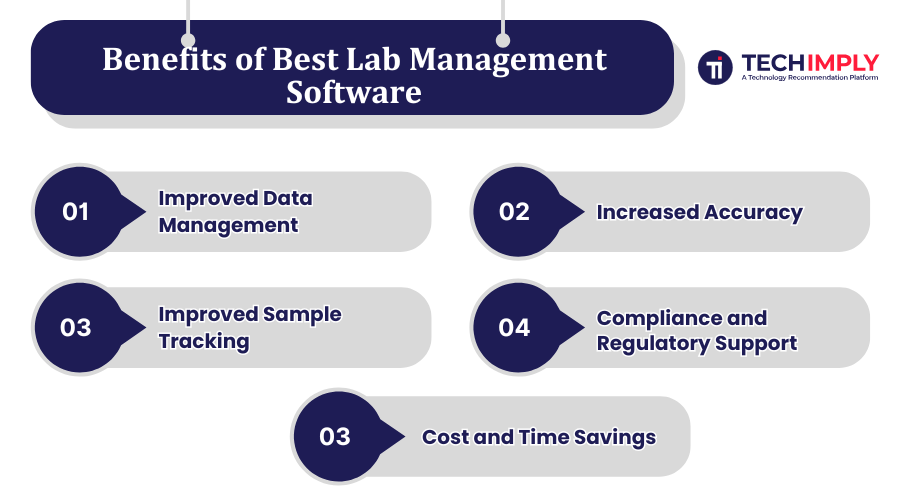
Labs use LIMS to automate data entry, reduce human errors, improve sample traceability, maintain regulatory compliance, and enable faster decision-making through centralized, organized data dashboards.

What can LIMS do?
It automates the sample lifecycle, controls key lab functions, and provides real-time reporting and analytics. It manages sample tracking, standard operating procedures, scheduling, automated reporting, training, instrument maintenance, inventory, quality control, and validation.

Does LIMS Improve Lab Performance?

Yes, implementing LIMS can increase productivity by 50%-70% on average by simplifying data entry, sample tracking, and audit preparations. It improves data quality and reduces manual errors, leading to significant cost savings and ROI within 1-3 years.

What Should be Considered When Choosing LIMS?
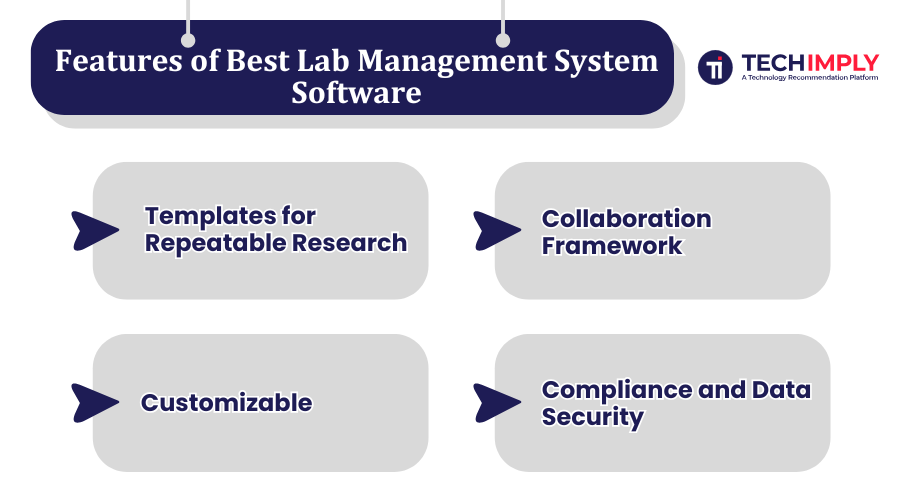
Important factors include vendor support and long-term service, ease of use, flexibility, configurability, upgradeability, robust reporting tools, fair pricing, industry-specific features, and regulatory compliance.

Is LIMS Compliant With Regulatory requirements?

Most modern LIMS solutions offer features to help labs maintain compliance with relevant industry regulations and certifications.

How does LIMS Handle Data and Instruments?

LIMS stores and organizes laboratory data securely with access controls and audit trails. It integrates with lab instruments for automated data capture and supports instrument maintenance scheduling.

How is LIMS Deployed and Used?
After identifying lab needs, choose a LIMS vendor, deploy the system, and configure it to match the lab’s workflows including user roles, test definitions, and reporting templates.

What is The best Software For Labs?

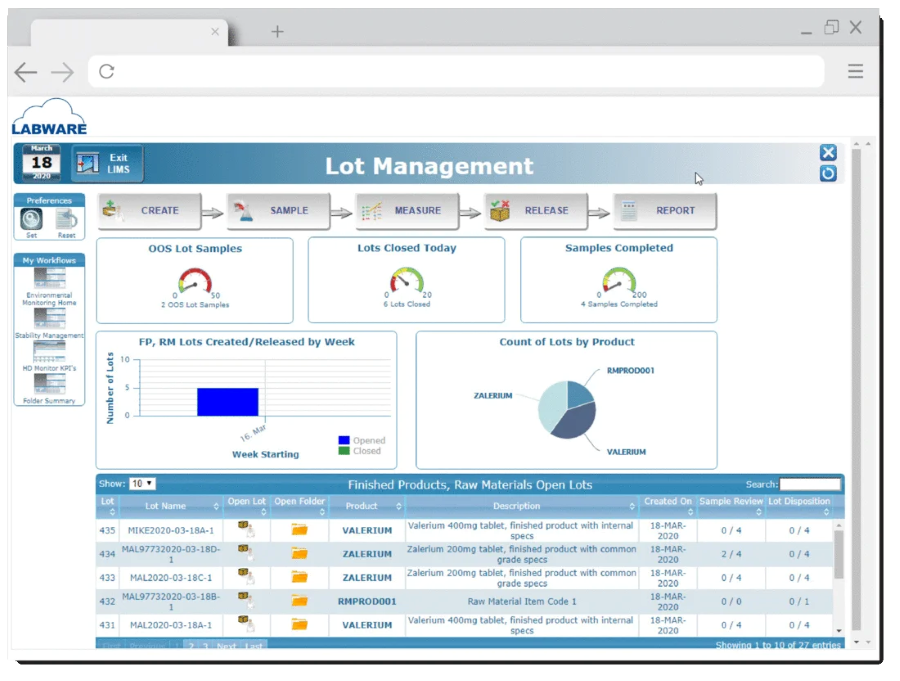
MocDoc, CrelioHealth, and LabWare are among the best lab software of 2025, known for automation, reporting, and regulatory compliance.

What are the 12 Tools Of Laboratory Management?

The 12 tools include organization, personnel, equipment, purchasing/inventory, process control, documents and records, information management, occurrence management, assessment, process improvement, customer service, and facilities and safety.

A Complete Overview Of Lab Management System