Enterprise Resource Planning (ERP) software for businesses looking to streamline operations, improve efficiency, and drive growth. By integrating core business processes into a single, unified system, ERP software provides organizations with the tools needed to optimize operations and make data-driven decisions. Enterprise Resource Planning (ERP) software is a powerful tool that integrates and automates various business processes across an organization. It streamlines operations, consolidating data from multiple departments such as finance, HR, supply chain, and customer relationship management into a single platform. By providing real-time insights and improving communication, ERP helps businesses optimize efficiency, reduce operational costs, and make data-driven decisions.
What is ERP Software?
Enterprise Resource Planning (ERP) software is a powerful tool designed to streamline and integrate various core business processes into a unified system. By combining functionalities such as accounting, human resources, supply chain management, inventory control, CRM Software, and more, ERP systems enable businesses to operate more efficiently. These solutions provide real-time data access, enhanced department collaboration, and automated workflows to reduce manual effort. ERP software is particularly valuable for medium and large-scale organizations, helping them optimize resources, improve decision-making, and stay competitive in an increasingly digital marketplace. Its scalability and customization options make it adaptable to various industries and business needs.
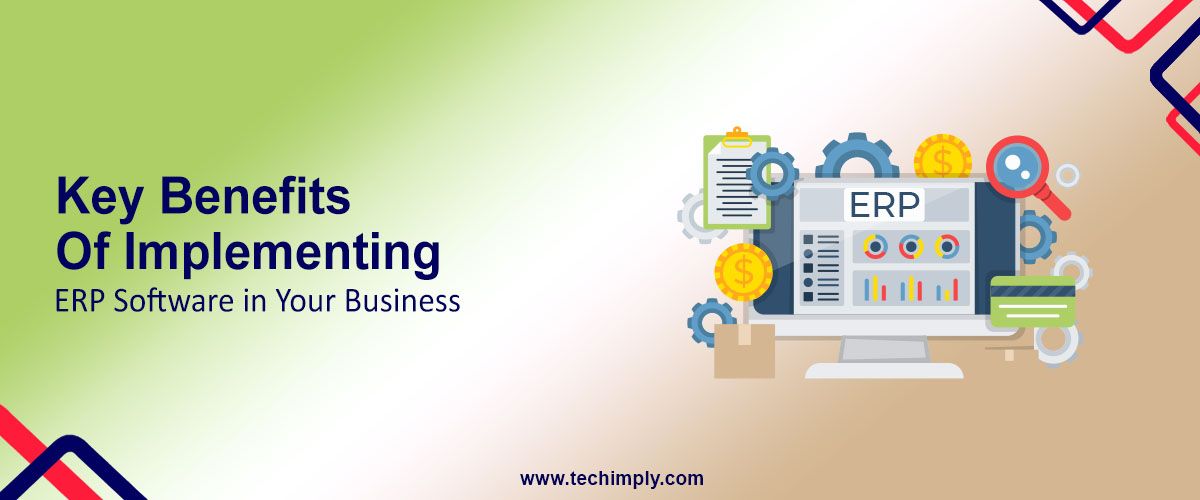
Key Benefits of Implementing ERP Software in Your Business.
1. Centralized Data Management
ERP software consolidates all business data into one unified platform, eliminating the need for multiple disparate systems. This centralization ensures that all departments whether finance, inventory, human resources, or customer relationship management operate with consistent, up-to-date information. The result is a reduction in data and duplicative efforts, as all teams work from the same source of truth. By fostering collaboration and streamlining communication, centralized data management software reduces errors, enhances operational efficiency, and supports well-informed, real-time decision-making. Businesses can confidently rely on the accuracy of their data, ensuring smoother processes and better outcomes.
2. Improved Efficiency and Productivity
ERP software significantly boosts productivity by automating time tracking software manual processes such as data entry, order tracking, and report generation. Automation not only speeds up routine tasks but also reduces the likelihood of human errors, ensuring greater accuracy. Employees can redirect their focus to higher-value activities, such as strategy and innovation, instead of being bogged down by repetitive work. Additionally, ERP systems integrate workflows across departments, ensuring that tasks are completed faster and more seamlessly. Leveraging Odoo integration further improves overall operational productivity, helping businesses stay competitive in a fast-paced environment.
3. Enhanced Reporting and Analytics
With robust reporting and analytics tools, ERP systems empower businesses to monitor and analyze critical performance metrics. Customizable dashboards allow decision-makers to access actionable insights tailored to their needs. Real-time data enables businesses to identify trends, spot inefficiencies, and make proactive adjustments before issues arise. Forecasting capabilities help organizations anticipate future demands and plan strategically for growth. By providing a comprehensive view of operations, ERP systems ensure leaders can make data-driven decisions that improve overall business performance and maintain an edge in competitive markets.
4. Scalability and Flexibility
As businesses grow, their operational needs become more complex, requiring systems that can scale seamlessly. ERP software is designed with scalability and flexibility in mind, allowing organizations to accommodate increased data volumes, users, and functionality over time. Many ERP solutions feature modular architectures, enabling businesses to add or modify features as their requirements evolve. This adaptability ensures that the ERP system remains relevant and cost-effective, supporting long-term growth without the need for frequent overhauls. Businesses can confidently plan for expansion, knowing their ERP system will adapt to meet their changing needs.
5. Cost Savings
While implementing ERP software may involve significant upfront investment, it leads to substantial cost savings in the long term. By streamlining processes, reducing manual work, and minimizing errors, ERP systems improve overall efficiency and reduce operational costs. Centralized data management further eliminates redundancies and costly mistakes. Additionally, businesses can replace multiple standalone tools with one integrated ERP platform, saving money on software licensing and maintenance. These cumulative savings ensure that the return on investment for ERP software is high, making it an essential tool for cost-conscious organizations.
6. Regulatory Compliance and Risk Management
ERP software plays a crucial role in helping businesses manage regulatory compliance and mitigate risks. Built-in features such as automated record-keeping, audit trails, and compliance reporting ensure that companies can easily adhere to industry standards and legal requirements without the need for excessive manual effort. By automating these processes, ERP systems reduce the risk of human error and ensure that documentation is accurate and readily accessible for audits or inspections.
Additionally, ERP systems offer real-time visibility into potential risks, such as inventory imbalances, cash flow issues, or supply chain disruptions. With these insights, businesses can proactively identify and resolve problems before they escalate, minimizing disruptions and ensuring continued compliance in highly regulated industries. This allows companies to operate with greater confidence, knowing that their compliance and risk management software processes are streamlined and efficient.
7. Improved Customer Relationship Management (CRM)
ERP systems integrate customer relationship management (CRM) functionalities, providing businesses with a 360-degree feedback view of customer interactions. This integration allows for personalized communication, faster response times, and efficient resolution of customer inquiries or complaints. Detailed insights into customer preferences, purchasing history, and feedback help businesses tailor their products and services to meet specific needs. By enhancing the customer experience and fostering loyalty, ERP integrated CRM features play a crucial role in driving satisfaction and long-term revenue growth.
8. Streamlined Supply Chain Management
For businesses with complex supply chains, ERP software offers advanced tools for managing inventory, procurement, and logistics. Real-time visibility into inventory levels ensures optimal Inventory & stock management software, preventing both shortages and overstock situations. Automated procurement processes and order tracking improve relationships with suppliers and ensure timely deliveries. By streamlining the entire supply chain, ERP systems reduce carrying costs, minimize delays, and improve overall operational efficiency. This level of control helps businesses deliver better results to their customers while maintaining cost efficiency.
9. Enhanced Financial Management
ERP systems centralize all financial data into one platform, simplifying tasks such as budgeting, expense tracking, and revenue forecasting. Automation features like accounts payable, accounts receivable, and payroll processing reduce manual effort and the risk of errors. With detailed financial reporting and real-time insights into cash flow and profitability, decision-makers can plan and allocate resources more effectively. The comprehensive financial management capabilities of ERP software ensure greater accuracy, transparency, and control over an organization’s finances, supporting sound decision-making and long-term growth.
10 . Better Project Management
ERP systems offer comprehensive project management tools that allow businesses to oversee every aspect of their projects from initiation to completion. These tools provide real-time tracking of project timelines, enabling teams to monitor progress, allocate resources, and identify potential bottlenecks early on. By integrating project data with other critical business functions such as finance, HR , and inventory, ERP software promotes streamlined coordination and accountability. Collaboration features also play a key role in ensuring all team members and stakeholders stay on the same page, with instant access to updated project information. This integration helps prevent delays, keeps projects within budget, and enhances overall efficiency, ensuring businesses can successfully meet their project objectives.
How Can ERP Software Improve Customer Relationship Management (CRM)?
ERP software significantly enhances Customer Relationship Management (CRM) by centralizing and streamlining customer data. By integrating CRM functionalities within the ERP system, businesses can gain a 360-degree view of their customer interactions, preferences, and purchase history. This unified database allows teams to access real-time customer information, enabling personalized communication and faster response times. Sales and support teams can track every interaction, resolve issues efficiently, and build stronger relationships with customers, ultimately fostering loyalty and satisfaction.
Additionally, ERP systems empower businesses with advanced analytics to predict customer needs and behavior. These insights enable companies to tailor marketing campaigns, improve product offerings, and enhance the overall customer experience. By aligning CRM with other departments such as inventory and supply chain, ERP ensures that customer orders are fulfilled promptly and accurately. This seamless integration between customer management and business operations not only boosts customer retention but also helps attract new clients by delivering exceptional service.
Conclusion
Implementing ERP software in your business can transform operations, drive efficiency, and foster growth. From centralized data management to enhanced financial oversight and improved customer service, the benefits are extensive. While the initial investment may seem significant, the long-term gains in productivity, cost savings, and scalability make ERP software a worthwhile investment for businesses of all sizes. As industries continue to evolve, adopting ERP systems ensures your business remains agile, competitive, and prepared for future challenges.