

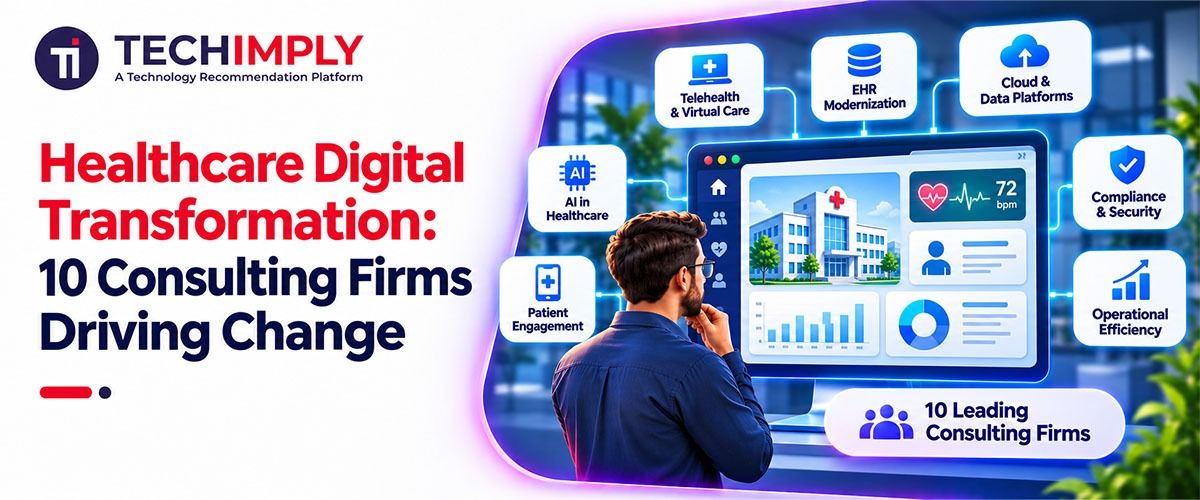
A doctor opens a chart. The MRI from the hospital across town isn't there. Neither are last month's labs. The EHR/EMR was installed around 2011, and nobody wants to touch it. Phishing emails hit the front desk every week. Patients, meanwhile, would rather see the doctor on a video call. So who actually fixes this mess?
Why Clinics Can't Just "Plug In" FHIR and HL7
On paper, FHIR and HL7 solve everything. Every system speaks one language, data flows, done. Sounds logical, right?
Well, not quite. Walk into a 300-bed hospital and count: the EHR, lab software, PACS for scans, billing, plus a telehealth app somebody bought in a hurry back in 2020. Five vendors. Five dialects. HL7 v2 messages from one vendor rarely match another's, and plenty of "FHIR-ready" APIs expose a patient's name and allergies but not much else.
Then there's the grunt work. Someone has to map thousands of local lab codes to LOINC, and do it without taking the ER offline at 3 a.m. Most in-house IT teams are already busy resetting passwords and patching printers. That's where outside integrators earn their fee: they've seen the same broken interface fifty times before.
Top Healthcare IT and Digital Transformation Consultancies
DXC Technology
Fifty years in healthcare IT, roughly 18,000 people working on the sector and 250 healthcare clients. Numbers aside, the interesting part is Open Health Connect, a platform for moving structured data between EHRs, payers and outside apps. One case stands out: Delta Dental's core system, covering 36 million people, moved to Azure in 12 months.
- EHR/EMR integration and cloud moves
- Medical Coding ML, already running in European hospitals
- Payer core modernization with generative AI
Cognizant
Ever filed a claim with a US health plan? There's a fair chance it went through Facets or QNXT, both part of Cognizant's TriZetto unit.
- Payer platform upgrades
- Claims automation
- EHR integration for providers
Deloitte
Hospital networks and government agencies usually call Deloitte when an EHR rollout gets too big for one internal team to carry.
- EHR selection and tuning
- Medical cyber-defense advisory
- Patient engagement design
Infosys
Old mainframe running claims? Infosys gets called in for exactly that, using its Topaz AI tools and Cobalt cloud services.
- Mainframe-to-cloud migration
- AI-assisted claims
- FHIR APIs
Accenture
Strategy, build, operations. Accenture covers all of it. Patient apps and appointment booking? That part sits with Accenture Song.
- Video visits and telehealth
- Security operations
- AI for clinical notes
HCLTech
HCLTech sits closer to the engineering end. Hospitals and device makers use it for data platforms on Microsoft, AWS and Google Cloud.
- Connected device engineering
- Cloud data platforms
- Managed clinical infrastructure
IBM
Hybrid cloud is IBM's home turf. Red Hat OpenShift and watsonx form the base, and the X-Force team keeps tracking attacks on hospitals.
- Hybrid cloud for EHRs
- AI governance
- Incident response
Wipro
US health plans make up much of Wipro's healthcare book. Buying Edgile in 2022 added identity and compliance know-how.
- Payer process automation
- Identity and compliance
- Clinical workload migration
TCS
When hospital servers go down, nurses go back to paper charts. TCS built ignio for this: it watches IT systems and flags trouble before staff feel it.
- App modernization
- AIOps for hospital IT
- Population health analytics
Capgemini
Two halves here. Capgemini Invent does the consulting, and Capgemini Engineering (it used to be Altran) writes software for medical devices.
- Getting data to flow between systems
- Device software
- Digital patient journeys
Quick Overview Table
|
Company |
HealthTech focus |
Compliance |
Geography |
|
DXC Technology |
Interoperability, payer systems |
HIPAA, GDPR |
Global |
|
Cognizant |
Payer platforms |
HIPAA |
Mostly US |
|
Deloitte |
EHR programs |
HIPAA |
Global |
|
Infosys |
Cloud, AI |
HIPAA, GDPR |
US, Europe |
|
Accenture |
Virtual care, security |
HIPAA, GDPR |
Global |
|
HCLTech |
Device engineering |
HIPAA, FDA |
US, Europe, Asia |
|
IBM |
Hybrid cloud |
HIPAA, GDPR |
Global |
|
Wipro |
Payer operations |
HIPAA |
US, Europe |
|
TCS |
AIOps |
HIPAA, GDPR |
US, UK, Europe |
|
Capgemini |
Health data, devices |
GDPR, HIPAA |
Europe, US |
Checklist: HIPAA and GDPR Before Patient Data Goes to the Cloud
Would the migration plan survive an auditor's first hour? Quick check:
- BAA signed (HIPAA), plus a GDPR Art. 28 processing agreement
- Every copy of PHI found, backups and logs included
- EU patient records stay where the law says
- Encryption everywhere, keys held in-house
- MFA for every admin. No exceptions
- HIPAA risk analysis and GDPR DPIA done before cutover
- Breach plan that fits GDPR's 72 hours
Conclusion
Picking one winner from this list makes little sense. A network of 20 hospitals juggling three EHRs wants something very different from a dermatology chain with eight offices. The first needs integration muscle. The second? A tidy cloud move and decent security, honestly not much more. Before signing, ask for FHIR projects that actually went live and a client willing to take a reference call.

.png "5 Essential Actions That Should Be Considered When Creating Healthcare Software")