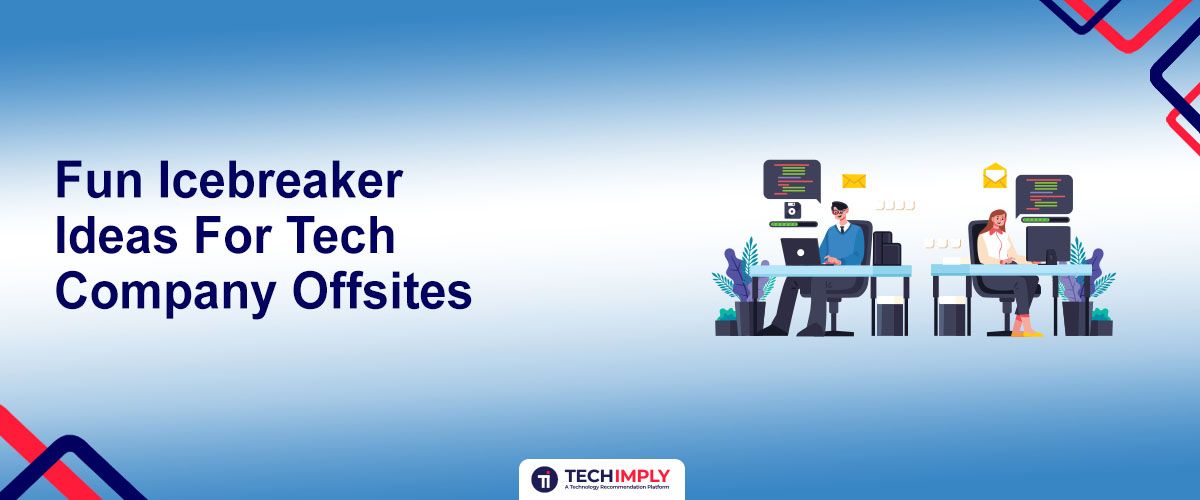
You organized the event, arranged the space, and distributed calendar invitations. Yet one concern that might trouble you is ensuring your employees genuinely engage with each other rather than merely checking their phones. Brief chats that feel like formal greetings could cause any offsite to feel pointless before it even begins. Fortunately, effective icebreakers can transform a bunch of people into a cohesive, productive team.
Why Technology Teams Dislike Frequent Icebreaker Activities
Let’s be real. The majority of developers, engineers, and tech experts dread the prompt "go around the room and share a fact about yourself." It seems forced and squanders time that could be used for valuable conversation. Tech groups react positively to exercises that seem meaningful. They appreciate challenges, amicable competition, and anything that avoids a corporate performance vibe. The key is to choose icebreakers that show appreciation for their expertise and assist in building an understanding of them.
5 to 10 Minutes of Quick Warm-Up Activities
These are excellent for kicking off your day or transitioning between tasks on your agenda.
-
A Code Review and Two Truths
An adaptation of the game designed to be developer-friendly. Each participant shares three statements regarding their background, with two being true and one false. Often, individuals hold views on experiences, such as "I once launched to production on a Friday without any issues."
-
Bingo with Tech Stack
Create bingo cards featuring squares labeled with phrases such as "has operated a fax machine at their job, "understands what COBOL means." Resolved a bug by rebooting it." Participants interact to discover who on their team matches each description. The individual who completes a row first is the winner.
-
Lightning Round of Unpopular Opinions
Each person has 30 seconds to share what they believe is the contentious topic in tech. Whether HTML qualifies as a programming language, the debate between tabs versus spaces, or the preference for mode or dark mode.
Activities for Building Teams (15–30 Minutes)
These exercises explore thoroughly and assist teams in discovering shared interests. Having the correct team collaboration tools in place when arranging these events helps teams stay in touch and keep building on the relationships they made during their offsites. Keeping these connections strong helps teams operate well together.
-
Desert Island Tech Stack
Teams of 4-5 need to reach a consensus on three tools, languages, or frameworks they would bring to a desert island to create any project. The discussions become intense. You gain insight into what teammates prioritize and their reasons.
-
Failure Museum
Everyone recounts their professional setbacks, like a project that failed, a bug that resulted in mayhem, or a presentation that didn't go as planned. This helps normalize mistakes and fosters safety, with the anecdotes often being amusing when looked back upon.
-
Interview for the Job
Have individuals collaborate in pairs and pose questions to one another that they wish had come up during their job interviews. Examples include, "What frustrates you the most about meetings?" What is your preferred way to receive feedback?" These genuine preferences assist colleagues in improving their interactions.
-
Make a Product in Five Minutes
Request groups to invent something such as "an app for those who dislike apps" or "software that solves a problem that isn't truly real." They sketch it, give it a name, and present it within five minutes. Due to the guidelines, participants must. Think creatively.
Active and Outdoor Icebreakers
Getting people moving changes the energy completely. Physical activity reduces levels and improves your mood, making communication simpler.
-
Walks with One Person
If your location has an outside area, pair individuals up and send them on 15-minute walks with one question to talk about. Change partners and questions every few hours. Moving about makes it simpler to talk, especially for those who are shy.
-
Human Knot With a Twist
The classic team puzzle where everyone grabs hands and untangles without letting go. The twist is that one person can only communicate through Slack messages typed on their phone. This highlights how communication breaks down and how to fix it.
-
Silent Line-Up
The crew needs to line up in order of birthday, years at the company, or miles traveled to the offsite without talking. It makes you think of new ways to communicate without words and shows you interesting things about your coworkers.
Bringing in Outside Entertainment
Sometimes, the most memorable icebreakers come from professional entertainment that genuinely engages everyone. Corporate mentalists and mind readers have become increasingly popular at tech offsites because they create shared experiences that give teams something meaningful to talk about afterward.
What makes this approach especially effective for tech teams is the built in puzzle element. Engineers are naturally drawn to experiences that challenge logic and invite analysis. A professional corporate mentalist uses psychology, suggestion, and carefully structured illusions to create moments that feel impossible yet intellectually engaging.
These shared experiences help teams connect beyond their usual roles and encourage more open collaboration. The best entertainment does more than perform for your team. It actively involves them and creates stories they will continue to reference for months.
Creative and Cerebral Activities
For teams that prefer thinking over moving, these options deliver.
-
Escape Room Challenge
Escape rooms, whether they are actual or virtual, need the same skills that tech teams need every day, like being able to detect patterns, think logically, and work together when things get tough. You can either hire one that is close by or carry a portable kit with you to the conference.
-
Sketch Your Workflow
Give each participant some paper and markers. Ask them to sketch a picture of what a normal weekday is like for them, what their dream workday would be like, or how they deal with challenges. People talk about how they work when they share sketches, but it doesn't feel like a business meeting.
How to Pick the Best Icebreaker
Several things affect the best activity:
| Factor | Consider |
| Team size | Large groups need activities that break into smaller clusters |
| Remote participants |
Choose activities that work over video if anyone's dialing in |
| Energy level |
Morning sessions can handle active games; post-lunch needs something engaging |
| Team familiarity | New teams need low-risk activities; established teams can go deeper |
| Time available | Avoid attempting to complete a task that generally requires 30 minutes in 15 minutes. |
Begin with tasks so they can acclimate to it, then gradually progress to activities that evoke more vulnerability as they become accustomed to it.
Avoid These Actions
You seem open-minded when you make icebreakers optional, but the individuals who need to connect the most frequently don't do them. Frame activities as part of the agenda, not an extra. Don't over-explain activities. Give brief instructions and let people figure things out together - that's part of the bonding.
Don't do something that makes people feel uncomfortable in front of the complete group unless you know your team loves it. Activities with fewer people seem safer and lead to more real interactions.
Making Connections Last Beyond the Offsite
Icebreakers are only the start. You need to work on the relationships you made during these events every day at work. Project Aristotle by Google found that the most important thing for a team to be successful is psychological safety. Teams that feel safe taking chances and communicating about their fears always do better than other teams.
Consider creating Slack channels based on interests discovered during activities. Team members may provide and get feedback and rewards at any time with employee engagement software, which can help keep things moving. The Society for Human Resource Management says that employees are more likely to stay with a company and be more dedicated if they feel like they are part of a team with their coworkers. This makes it easier for everyone in the company to get along.