At the back of every successful organization is not just a plan for taking people in, but a strategy for leading them through every step of their path with the company. Employees now want more than just pay; they look for meaning, growth, and a feeling of belonging. Firms that see this have an upper hand, since they know that workers are their key asset.
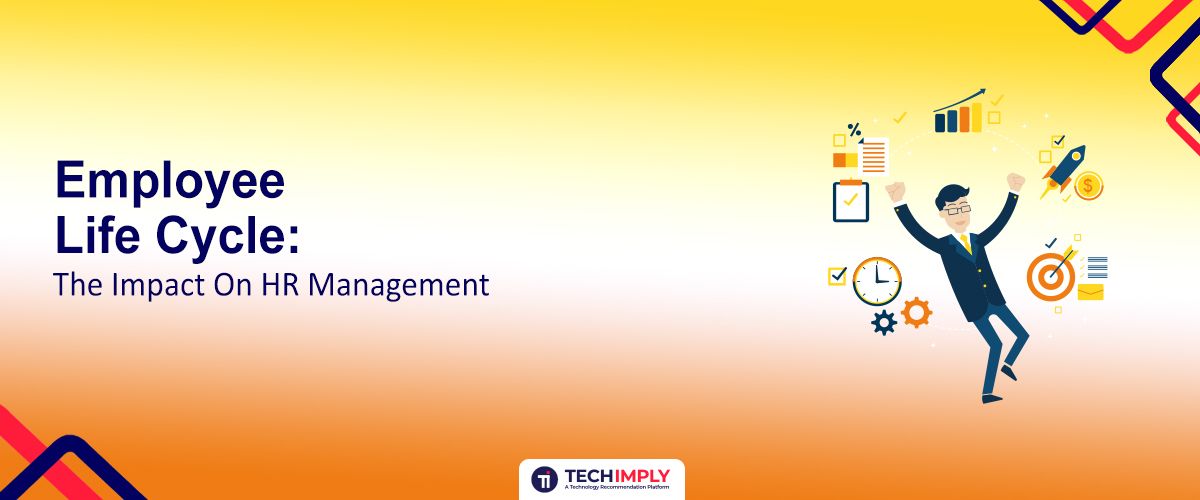
The employee life cycle is a model journey that begins from the time an individual gets to know your organization up to the time they leave, and in certain cases, even longer. Such a life cycle does not occur naturally; rather, it needs to be engineered through careful planning, active HR policies, and true dedication to the welfare of employees.

Looking for HR software?
Check out Techimply's HR software in India for your business.
What is the Employee Life Cycle?
The employee life cycle in HR is essentially a conceptual model in HR describing the major steps an employee passes through during their relationship with the company. These stages usually include:
- Attraction
- Recruitment
- Onboarding
- Development
- Retention
- Separation
In some models, the framework is extended to embrace alumni relations and rehire strategies. Every stage of these employee lifecycle phases provides HR with an opportunity to make meaningful engagement, ensuring that workers’ interests are in tandem with organizational goals. The life cycle is more than just touchpoints; rather, it is the map towards value delivery across every step within the hire-to-retire process flow.
Why is the Employee Life Cycle Important to Get Right?
The employee journey affects more than just the employee. It affects the entire organization. Companies that pay attention to every step of the life cycle, from hiring to leaving, have better engagement and retention, as well as better employer branding.
If a company does not take care of its life cycle properly, like speeding through onboarding, not having a strategy for expansion, or having a badly managed offboarding procedure, it will send a message to the employees that you do not care about them. On the other hand, a well-run cycle builds trust, loyalty, and sticks around for a long time. In hybrid and remote-first setups, structured life cycle plans usually helped by technology, help firms personalize employee support even when done on a big scale.
The Impact of HR Management Across the Employee Life Cycle
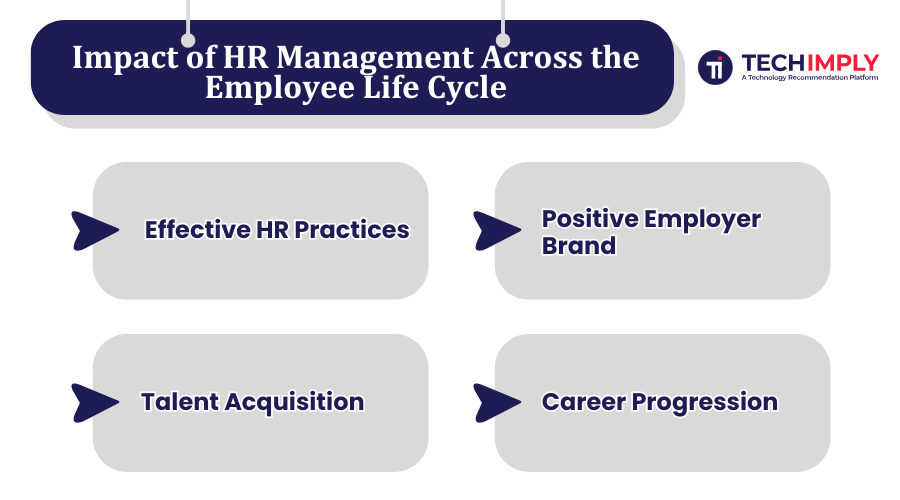
1. Effective HR Practices
HR professionals should have a clear plan on how to aid employees through each stage of their HR life cycle with the company. They need their strategies to be proactive, based on data, and human centric. This means making sure that recruits have a personalized onboarding strategy and a career development plan. Some of the current ways include personalized learning programs, pulse surveys, measuring live performance, and AI-assisted hiring. With the help of technology and human judgment, HR can carry out seamless shifts through all the stages of employee life cycle.
2. Positive Employer Brand
A company's treatment of an employee throughout the duration of their career becomes a large part of the employer brand. Persons who felt valued at every stage of the process, from a transparent hiring process to a respectful goodbye, will act as brand ambassadors for the company long after they have left. This will leave a favorable, lasting impression of the organization. A steady, supportive employee life cycle in HR not only raises retention but also draws similar talent. It is a loop of trust: treat employees well, and they will speak well of your brand without being asked.
3. Talent Acquisition
Strategic HR teams know that hiring goes beyond just filling a spot. It involves looking at culture fit, long-term potential, and mutual growth. The recruitment stage sets the tone for the whole employee life cycle. If there is poor communication or no follow-up at this stage, there is a high chance of losing the best candidates. HR makes talent acquisition better by updating job posts, fixing the interview experience, and keeping track of responses. Some companies use tech-enabled hiring systems to monitor time-to-hire, quality of hire, and drop-off rates. This gives critical insights into where improvement is needed. Platforms like iMocha help organizations streamline their talent acquisition process through AI-driven skill assessments and data-backed insights, ensuring smarter and faster hiring decisions.

Pro Tip:
What is the HR Life Cycle?
The Hr life cycle is a model that defines the relationship the employee has with the company, from onboarding to offboarding, and sometimes much more. It works to align people strategy with business growth. The HR life cycle identifies key touchpoints that HR can prioritize to maximize engagement, performance, and satisfaction.
4. Career Progression
In today’s competitive market, career stagnation is one of the top reasons employees leave. HR must play a vital role in ensuring there are visible, accessible growth opportunities within the company. This includes mentorship programs, training access, stretch roles, and internal job boards. This includes mentorship programs supported by mentorship platforms, training access, stretch roles, and internal job boards. A good employee journey includes regular feedback and development check-ins, not just annual reviews. Personalized career mapping backed by insights from employee software can help employees visualize a future within the organization.
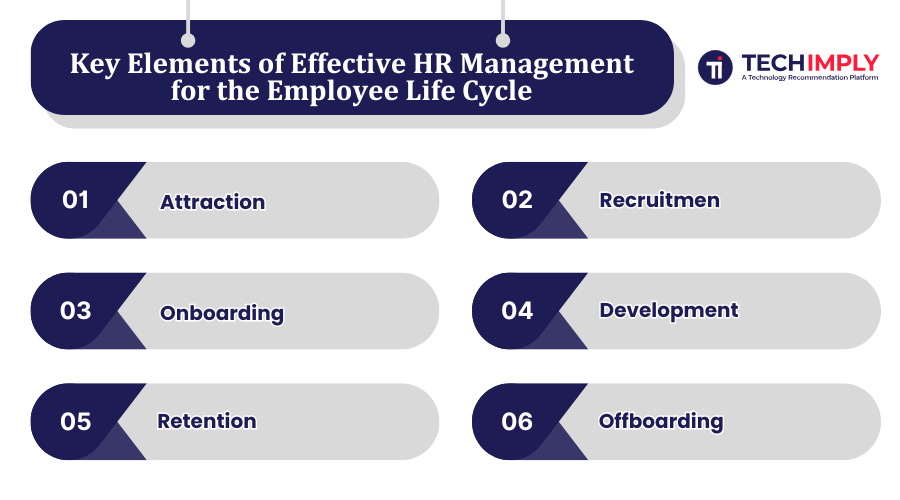
Key Elements of Effective HR Management for the Employee Life Cycle
Here’s how each life cycle phase can be optimized by HR:
1. Attraction
Before hiring begins, potential employees form opinions about your company. This is shaped by your digital presence, mission, values, leadership visibility, and how current employees talk about you online. HR must align internal culture with external messaging. Social media, employee testimonials, and thought leadership can play a big role here. In this modern era, candidates research employers just as much as employers research candidates. Companies that invest in authentic employer branding are ahead in the employee life cycle management before the first resume even arrives.
2. Recruitment
The recruitment phase is a critical moment in the employee lifecycle phases. It’s where first impressions become formal. Candidates value clear communication, fairness, and openness. Plan your interviews in a structured way, have transparent salary discussions, and follow up with the candidates to maintain credibility. AI tools can now match candidate profiles more accurately, but remember that AI tools cannot replace human judgment. Recruitment software integrated into larger employee software platforms makes job posting, applicant tracking, and interview feedback easier for HR to operate faster and better decisions. For a streamlined and scalable hiring process, many organizations turn to recruitment process outsourcing (RPO) partners to improve candidate quality and reduce time-to-hire.
Looking for Employee management software?
Check out Techimply's Employee Management Software for your business.
3. Onboarding
Onboarding is the stage at which new employees sit back and analyze whether they made the right choice or not. In most cases, poor onboarding leads to early resignations within the first 90 days of work. A study by Gallup found that only 12% of employees agreed that their company does a good job of onboarding new hires. Modern HR systems now usually have onboarding modules in their systems wherein welcome emails, training schedules, and first-day checklists for the newcomer can be easily set. The less manual work involved, the more focus on human connection HR can make by allotting mentors and sharing cultural norms.
4. Development
Development is not only about training related to the job. It also includes leadership training, cross-functional exposure, and emotional intelligence. Organizations focused on development see greater internal mobility and perform better. Use tools to make Individual Development Plans (IDPs) and keep track of how things are doing over time. The idea is to find a middle ground between what employees want and what the organisation needs.
5. Retention
High employee turnover disrupts productivity, takes a toll on team morale, and also damages the financial performance of the company. Retention is dependent upon listening first and foremost. Surveys and engagement combined with one-on-ones give HR a way to gather ongoing, real-time information to find out what motivates their employees. The combination of flexible work arrangements with mental health support and career advancement opportunities alongside recognition programs all create employee retention.
Do You Know?
The 2024 Employee Engagement Report released by Gallup shows a dip, to 21%, in global employee engagement-thereby matching one of the lowest records over more than ten years. The fall was highest among managers, thus underscoring increasing challenges that are being encountered in leadership roles.
6. Offboarding
The often overlooked offboarding stage actually demands equal strategic focus as recruitment. Effective offboarding programs incorporate knowledge transfer sessions along with exit interviews while also celebrating the departing employee’s achievements. This strategy ensures seamless transitional phases while safeguarding organizational cultural values. More companies are now using employee software to make automated offboarding checklists and revoke access while still following the rules. If employees leave on good terms, they might consider working for the company again in the future. They will also help as sources of referrals, thus maintaining a good image of the company.
Conclusion
The employee life cycle is a complicated tactical guide that helps businesses find ways to efficiently attract, support, and keep their best employees.HR is a key player throughout the employee journey. By having an appropriate approach toward onboarding and programs they deploy, they help develop a committed workforce and reduce turnover. Even if you are in a startup or a large organization, by properly managing the hire-to-retire process flow, you will have more engaged, more productive, and more resilient employees.
Suggested Read:
- What is SaaS HR Software? Detailed Guide for 2025
- How HR Teams Can Improving Employee Engagement Using Modern HR System?
- HR Software Statistics Trends
- Finding the Right Enterprise HR Software for your Business
- Cultivating Success: The Latest Advancements in Enterprise HR Software for 2025
- HR Software: What It Is and How to Choose the Best Solution
- Best HR software to Manage Your Remote Workforce
- Data-Driven Recruitment: Using HR Software to Make Informed Hiring Decisions