Acquiring a new customer costs anywhere from five to seven times more than retaining an existing one. Yet most businesses pour the bulk of their budget into acquisition and barely invest in keeping the customer they already have.
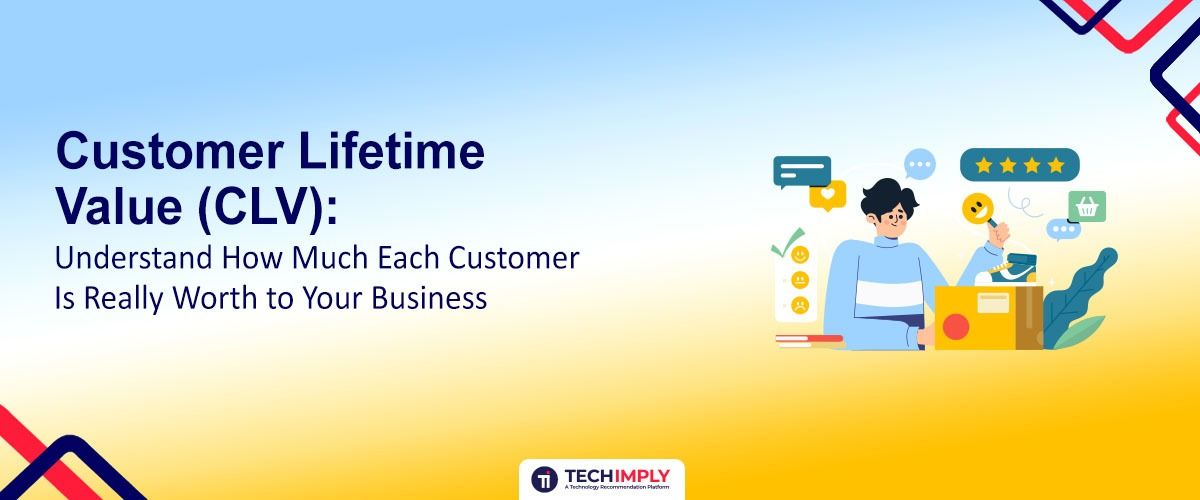
Customer lifetime value measures the total profit a business earns from a single customer across the entire span of their relationship. It reframes every customer from a one-time transaction into a long-term asset and that shift in thinking changes everything, from how you spend on marketing to how you design your support experience.
In this guide, you will learn what it means, why it matters, how to calculate it step by step, and practical strategies to grow it all grounded in real examples.
What is Customer Lifetime Value (CLV)?
Customer lifetime value CLV full form is a predictive metric that tells you the total net worth of a customer to your business, from their very first purchase to the last. Rather than measuring success one transaction at a time, it looks at the complete relationship.
Think of it this way: two customers may each make a single Rs. 2,000 purchase today. But Customer A never returns, while Customer Bcomes back every month for three years. Their short-term value looks identical, yet their actual worth to your business is vastly different. Only this metric captures that difference.
You may also see this referred to as lifetime customer value both terms describe the same concept. CRM software and Customer Experience platforms are built around helping businesses track and grow this metric at scale.
Why is Customer Lifetime Value Important?
Knowing how much each customer is truly worth gives businesses a financial foundation for every major decision. Here is why it matters:
-
Smarter acquisition budgets: When you know how much a customer is worth over time, you know exactly how much you can afford to spend acquiring them.
-
Targeted retention efforts: It helps you identify your highest-value customers so you can focus resources on keeping them.
-
Revenue forecasting: Businesses with a strong baseline here can project future revenue far more accurately.
-
Early warning system: A declining trend signals problems rising churn, poor satisfaction, or competitive pressure before they become crises.
Did You Know?
The probability of selling to an existing customer is 60–70%, while the probability of selling to a new prospect is only 5–20%. This is exactly why tracking and improving long-term customer value is a smarter growth strategy than pure acquisition.
Key Benefits of Tracking Customer Lifetime Value
1. Increases Revenue
When you know which customers generate the most long-term revenue, you can build upsell and cross-sell strategies around them. Instead of broad discounting that attracts low-value shoppers, you invest in deepening relationships with people who are likely to buy again and again.
A subscription business can offer a premium tier upgrade to customers who consistently renew confident that the long-term value justifies the offer. This precision drives revenue growth without inflating the acquisition budget.
2. Identifies Areas of Improvement
Regular customer lifetime value analysis reveals where customers drop off in their journey. If the score is low, it often means customers are satisfied with a first purchase but never return, pointing to a gap in post-sale experience, follow-up communication, or product quality.
For instance, if a CRM software company finds that most customers churn after month three, this analysis points directly at the onboarding period as the problem area. That is actionable data you cannot get from revenue reports alone.

Pro-tip
Run a cohort analysis to see how customers acquired in different months or campaigns perform over time. This helps you pinpoint not just when customers drop off, but which acquisition channels bring the most loyal, high-value customers
3. Helps Target Your Customers
Not every customer deserves the same level of attention and investment. Value-based segmentation lets you divide your Customer Feedback base into high, medium, and low tiers and tailor your approach to each.
High-value customers might receive dedicated account managers, exclusive early access to new features, or personalized loyalty offers. Lower-value customers are nurtured through automated workflows designed to increase their engagement over time exactly the kind of workflow modern customer experience software enables.
4. Enhances Customer Loyalty
Businesses that actively work to grow long-term Customer Success worth naturally build deeper loyalty. When customers feel recognized, valued, and well-served at every touchpoint, they stay longer, spend more, and refer others.
Loyalty programs, consistent post-purchase communication, proactive support, and ongoing value delivery are all proven tactics that transform one-time buyers into long-term brand advocates.
CLV vs. NPS vs. CSAT
Customer lifetime value is a financial metric, while net promoter score (NPS) and Company Secretary (in business/law) and Computer Science are experience metrics. Together, they give you a complete picture of customer health. Here is how they differ:
The smartest companies track all three together. Experience metrics tell you how customers feel; financial metrics tell you what those feelings are worth in rupees. A drop in CSAT almost always precedes a drop in long-term revenue so watching both gives you an early warning system.
How to Improve Customer Lifetime Value
To increase customer lifetime value, focus on extending how long customers stay, how often they buy, and how much they spend per purchase. Here are six proven tactics:
1. Invest in onboarding: Customers who see fast results from your product stick around. A clear, guided onboarding flow reduces early churn dramatically.
2. Build a loyalty program: Reward repeat purchases with points, exclusive discounts, or early access perks. Loyalty programs keep customers engaged between purchases.
3. Personalize at scale: Use CRM software to segment customers and send relevant offers, content, and recommendations based on their behaviour and history.
4. Elevate customer support: A single excellent support interaction can turn a frustrated customer into a loyal one. Customer experience software helps track issues and resolve them before they escalate.
5. Upsell and cross-sell thoughtfully: Offer relevant upgrades or add-ons at the right moment in the journey — not too early, not too late.
6. Reduce churn proactively: Monitor engagement signals. When a customer goes quiet, reach out with a helpful check-in, a special offer, or a re-engagement campaign.
Customer Lifetime Value Example
Before the example, here is the standard customer lifetime value formula that most businesses start with:

CLV = Average Purchase Value × Purchase Frequency × Customer Lifespan
Now, let us apply this to a real scenario. Suppose you run an online fitness equipment store:
-
Average purchase value: Rs. 5,000
-
Purchase frequency: 3 times per year
-
Average customer lifespan: 4 years
Rs. 5,000 × 3 × 4 = Rs. 60,000
Each customer is worth Rs. 60,000 over the course of your relationship. If your customer acquisition cost (CAC) is Rs. 8,000, your ratio is 7.5:1 well above the 3:1 benchmark most businesses target. When you calculate customer lifetime value and compare it to your acquisition spend, you know immediately whether your growth engine is sustainable.
A ratio below 1:1 is a red flag you are spending more to get a customer than they will ever return. A ratio above 3:1 means your business model is healthy and you have room to invest more in retention and product improvements.
Conclusion
Customer lifetime value is one of the most powerful metrics a business can track. It connects your marketing spend, retention strategy, product quality, and customer experience into one clear number the long-term worth of each person you serve. By understanding this metric, investing in the right CRM software and customer experience tools, and consistently working to retain and delight your customers, you build a business that grows sustainably not just quickly. Start by measuring your current score, compare it against your acquisition costs, and pick one strategy from this guide to improve it. Small improvements in retention and purchase frequency compound into significant revenue gains over time.