Every business thrives on new opportunities. Yet, for many, the process of turning a website visitor, a social media scroller, or a trade show attendee into a qualified prospect feels like guesswork. If you're relying on manual data entry or scattered spreadsheets, you're missing out on vital potential. The solution? A dedicated lead capture software.

Looking for Lead Generation Software?
Check out Techimply's List of the Best Lead Generation Software in India for your business.
We will clarify what these systems do, provide the crucial criteria for selecting the best tools, and review some of the most powerful options available today. Our goal is to equip you with the knowledge to select the right lead capture software that drives real, measurable growth for your business.
What is Lead Capture Software?
Lead capture software is an essential tool designed to automatically collect contact information and relevant data from potential customers (leads) across various digital and physical channels. It transforms passive interest into actionable data records.
Think of it as the ultimate digital fisherman, casting nets across your entire online and offline presence. Instead of just hoping visitors will email you, a sophisticated lead capture system uses elements like forms, pop-ups, chat widgets, and landing pages to seamlessly record every detail. This includes their name, email, company, and behavior (like which pages they visited or what content they downloaded).
The most effective tools immediately funnel this information into a central database, often a CRM, making it instantly available for follow-up and nurturing. This technology is the backbone of efficient sales and marketing, enabling a structured lead capturing system that eliminates manual errors and saves valuable time.

Do You Know:
69% of high-performing sales teams are already utilizing AI to enhance their lead generation efforts, making AI-driven lead scoring and personalization a non-negotiable feature in the best lead capture tools.
Understanding Your Needs for Choosing the Lead Collection Software
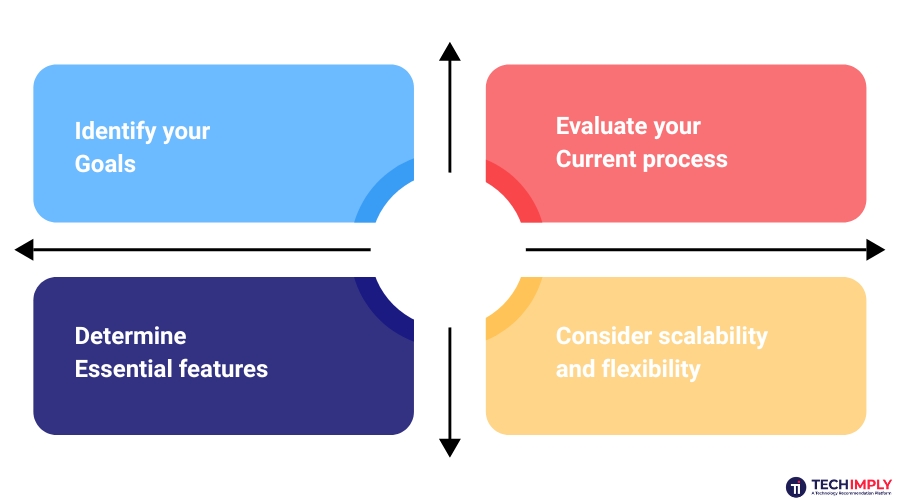
Selecting the best lead capture software isn't about choosing the one with the most features; it’s about finding the tool that perfectly fits your specific operational rhythm. Before you commit to any lead collection software, take the time to answer four critical questions about your business and its goals.
-
Identify Your Goals
Are you looking to simply grow your email list, or do you need highly complex lead-capturing software for a long-cycle B2B sale? If your primary goal is to convert high-volume website traffic into email subscribers, you might prioritize a dedicated tool like OptinMonster. If you need robust forms and pipeline management for high-value clients, a full-featured CRM like HubSpot or Zoho is the better fit. Clearly defining your "why" dictates the "what" you need in a lead capture platform.
-
Evaluate Your Current Process
Where are your leads coming from right now? Do you need a lead retrieval software solution for trade shows, a Website Lead Capture Software for your blog, or a lead capture phone number software for SMS opt-ins? By evaluating your existing lead sources and the friction points in your current data handoff, you can identify where the new software needs to integrate and automate. Look for areas where leads are currently falling through the cracks.
-
Determine Essential Features
Don't pay for features you won't use. Lead capture for small business, a simple drag-and-drop form builder might be sufficient. For an enterprise, features like advanced A/B testing, lead capture automation software, and sophisticated multi-channel tracking are non-negotiable. Make a checklist of must-have features, from simple form customization to complex lead capture integration capabilities with your existing systems.
-
Consider Scalability and Flexibility
Your lead capture services should grow with you. If you plan to expand your sales team, your system must easily accommodate new users without exorbitant costs. If you anticipate adding new lead sources (like a mobile app or a new social channel), the platform must offer the lead capture CRM device or API access to support them. Flexibility ensures you don't face a costly migration down the line.
Pro-tip
Look specifically for On-premise lead management software alternatives. Cloud-based Lead Capture Software generally offers superior scalability and lower maintenance costs, which is a massive benefit for growing teams. The true cost savings come from avoiding dedicated local infrastructure.
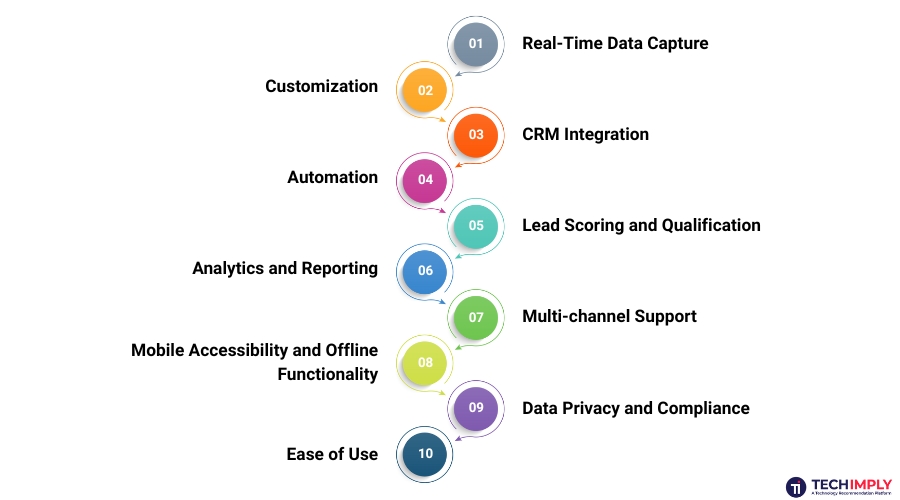
Top 10 Features to Consider When Purchasing Lead Capture System
A top-tier lead capture system is defined by its ability to collect data efficiently, organize it intelligently, and make it instantly useful for your sales team. When evaluating the best lead capture tools, ensure they offer these critical functionalities.
1. Real-Time Data Capture
The best lead capture tools transfer data instantaneously. A lead should be captured and logged in your CRM the second they hit 'submit' on a form or engage with a chat. This Real-Time Data Capture is critical for maximizing conversion, especially for high-intent leads who expect an immediate follow-up.
2. Customization
Your brand is unique, and your lead collection assets should be too. The software must allow for deep Customization of landing pages, pop-ups, and forms, ensuring they match your brand's look and feel. This includes custom fields, colors, fonts, and responsive design for all devices. Look for "Capture page software" that provides robust visual builders.
3. CRM Integration
This is arguably the most important feature. The Lead Capture Software should offer seamless CRM Integration with your existing sales platform (e.g., Salesforce, HubSpot, or Zoho). Automatic data syncing ensures that all interactions are immediately attributed to the correct prospect record, creating a unified customer view for sales and marketing teams.
4. Automation
Lead capture automation software transforms efficiency. This feature automates repetitive tasks: sending a thank-you email after a form submission, assigning the lead to the correct sales rep based on their geographic location, or kicking off a nurturing sequence. Automation ensures every lead is contacted promptly, increasing conversion rates.
5. Lead Scoring and Qualification
Not all leads are created equal. Advanced systems offer Lead Scoring and Qualification based on factors like engagement level, job title, or company size. This helps sales teams prioritize the hottest prospects generated by the lead capturing system and focus their efforts where they will have the greatest impact.
6. Analytics and Reporting
You can't optimize what you can't measure. Robust Analytics and Reporting tools provide clear insights into which lead capture device or channel (e.g., website forms, social media, landing pages) is performing the best. This data is essential for making informed decisions about where to invest your marketing budget.
7. Multi-channel Support
An Effective lead capture solution must go beyond just website forms. It should provide Multi-channel Support for collecting leads from live chat, social media forms, webinars, and even SMS (lead capture phone number software). This provides a consistent experience across all digital touchpoints.
8. Mobile Accessibility and Offline Functionality
For events, trade shows, and field sales teams, Mobile Accessibility and Offline Functionality are paramount. A good lead capture app or device allows staff to collect data on a tablet or phone without an internet connection and syncs the data instantly once connectivity is restored. This is particularly relevant when evaluating lead retrieval software.
9. Data Privacy and Compliance
In an era of strict regulations (GDPR, CCPA), ensuring Data Privacy and Compliance is non-negotiable. The software must support features like double opt-in, clear consent boxes, and secure data storage. You need confidence that your chosen lead capture technology protects sensitive customer information.
10. Ease of Use
If your team can't use the software easily, they won't use it consistently. Look for an intuitive, user-friendly interface that requires minimal training. This applies equally to marketing staff designing Capture page software and sales reps using the best lead capture app in the field.
Looking for Lead Management Software?
Check out Techimply's List of the Best Lead Management Software in India for your business.
Choose the Best Lead Capture Tools for Your Business
The lead capture software market is rich with diverse tools, from all-in-one CRM suites to specialized lead generation utilities. Here is a look at some of the leaders, tailored for different business needs.
1. HubSpot
HubSpot offers a comprehensive, all-in-one suite that includes powerful, free Lead Capture Software and CRM. It is ideal for small to mid-sized businesses looking to consolidate marketing, sales, and service functions on a single, easy-to-use lead capture platform.
Features:
-
Free Form Builder, Pop-ups, and Live Chat.
-
In-built CRM for centralized data storage.
-
Email marketing and Ad management tools.
-
Customizable landing pages and Capture page software.
-
Automatic lead scoring and routing features.
Pros:
-
Seamless CRM Integration is built into the core product.
-
Excellent for beginners and user-friendly.
-
Robust free tier for small businesses.
Cons:
-
Pricing can scale rapidly as your contact list grows.
-
Advanced marketing features are only available in higher, more expensive tiers.
-
Limited design Customization in the free version.
Pricing: Paid plans start at ₹74,200/mo.
2. Pipedrive
Pipedrive is a sales-focused CRM known for its highly visual, intuitive pipeline management and lead capturing system. It is best suited for sales teams who need a clean, uncluttered interface to manage deals, track activities, and use captured leads instantly.
Features:
-
Web Forms and chatbots for website lead capture tools.
-
Visual drag-and-drop sales pipeline.
-
Lead Inbox for managing and qualifying incoming leads.
-
Mobile app for on-the-go Mobile Accessibility.
-
Activity-based sales assistance powered by AI.
Pros:
-
Exceptional ease of use with a focus on sales activities.
-
Customization of pipelines and sales stages is straightforward.
-
Strong third-party lead capture integration options.
Cons:
-
Primarily sales-focused, so marketing automation features are less developed.
-
No free forever tier for the core CRM product.
-
Reporting can be basic on lower-tier plans.
Pricing: Paid plans start at ₹1684.82/mo
3. Zoho CRM
Zoho CRM is a highly versatile and cost-effective customer relationship management solution, making it a strong lead capture system choice for businesses that need to manage both sales and customer service from a single, unified environment. It is praised for its ability to integrate deeply with the broader Zoho application ecosystem.
Features:
-
AI assistant (Zia) for intelligent lead prediction.
-
Website Forms and Visitor Tracking.
-
Blueprint for mapping and automating sales processes.
-
Lead capture phone number software integration via Zoho Voice.
-
Multi-channel support via email, phone, and social media.
Pros:
-
Highly affordable with a feature-rich free edition.
-
Extensive Customization options across all modules.
-
Strong lead capture integration within the vast Zoho suite.
Cons:
-
The large number of features can lead to a steep learning curve for new users.
-
Interface can feel overwhelming or slightly dated compared to competitors.
-
Advanced reporting often requires higher-tier subscriptions.
Pricing: Paid plans start at ₹800/user/month, billed annually.
4. Leadpages
Leadpages is a specialized tool that excels at creating high-converting landing pages, alert bars, and pop-ups. It is the perfect Lead Capture Software for marketers who want to rapidly deploy conversion-focused Capture page software without relying on a development team.
Features:
-
Drag-and-drop landing page and form builder.
-
Real-Time Data Capture and conversion tips via the Leadmeter.
-
Unlimited lead collection software pop-ups and alert bars.
-
Fast page load speeds for better SEO and conversion.
-
One-click digital asset delivery (e.g., e-books).
Pros:
-
Excellent for quickly building and launching high-converting landing pages
-
Provides Mobile Accessibility optimization automatically
-
Strong focus on A/B testing (Pro plan).
Cons:
-
Not a full CRM, requiring mandatory lead capture integration with other systems
-
Pricing is slightly higher than basic Website Lead Capture Software tools.
-
Advanced features like A/B testing are locked behind the Pro plan.
Pricing: Paid plans start at ₹3280.96/mo
5. Intercom
Intercom is a Conversational Relationship Platform (CRP) that revolutionized lead capture tools by making live chat and in-app messaging the primary capture mechanism. It's best for SaaS and e-commerce companies that prioritize instant, personalized engagement and Real-Time Data Capture.
Features:
-
Live Chat and customizable Messenger widget.
-
Automated AI chatbot (Fin) for lead qualification.
-
Targeted messages (e.g., exit-intent, time-on-page) for lead collection software.
-
Shared team inbox for sales and support.
-
Product tours and in-app guidance for lead nurturing.
Pros:
-
Exceptional for Multi-channel Support and in-the-moment engagement
-
Strong lead capture automation software via custom workflows
-
Highly engaging and modern interface.
Cons:
-
Pricing is complex and can be expensive for high-volume users.
-
Core focus is on conversational capture, less on traditional forms.
-
It can be overwhelming due to the sheer number of features.
Pricing: Paid plans start at ₹3458.31/mo
6. Marketo (Adobe Marketo Engage)
Marketo Engage is a high-end, powerful marketing automation platform, making it the Lead Capture Software choice for large B2B enterprises with complex, long sales cycles. It is known for its deep feature set in nurturing, personalization, and sales-marketing alignment.
Features:
-
Advanced Lead Scoring and Qualification models.
-
Dynamic landing pages and personalized content delivery.
-
Comprehensive email and campaign automation (drip campaigns).
-
Deep CRM Integration with Salesforce and Microsoft Dynamics.
-
Revenue Analytics and Reporting for true ROI measurement.
Pros:
-
Unmatched depth of features for B2B lead capturing system and nurturing
-
Excellent automation capabilities for sophisticated campaigns; Superior Analytics and Reporting for enterprise needs.
Cons
-
Steep learning curve and high complexity.
-
Pricing is designed for the enterprise budget, making it prohibitive for small businesses.
-
Customer support can be slow to respond.
Pricing: Visit the website for detailed pricing.
7. Pardot (Salesforce Marketing Cloud Account Engagement)
Pardot is Salesforce's B2B marketing automation and Lead Capture Software, designed specifically for companies that use Salesforce CRM. It excels at marketing and sales alignment, providing advanced lead nurturing and qualification within the Salesforce ecosystem.
Features:
-
Advanced lead grading and scoring based on engagement.
-
Native, deep integration with Salesforce Sales Cloud.
-
Dynamic content and personalized messaging.
-
Landing page and form builders for lead collection software.
-
Comprehensive campaign tracking and ROI reporting.
Pros:
-
Native and seamless CRM Integration with Salesforce is a major advantage.
-
Powerful Automation for complex, multi-stage nurturing.
-
Excellent for B2B companies with a defined, long sales cycle.
Cons:
-
Requires an existing investment in Salesforce CRM.
-
High cost makes it unaffordable for most small businesses.
-
The user interface and form builder can sometimes feel less intuitive than newer tools.
Pricing: Paid plans start at ₹2216.86/mo.
8. OptinMonster
OptinMonster is a dedicated conversion lead capture tool focused on maximizing opt-in rates from website traffic. It is an industry leader in creating highly targeted pop-ups, floating bars, and gamified forms. It integrates with virtually all email marketing and CRM services.
Features:
-
Exit-Intent® Technology to capture abandoning visitors.
-
700+ customizable templates for various lead capture tools.
-
Mobile Accessibility optimization and two-step opt-in forms.
-
A/B testing and Analytics and Reporting features.
-
Geo-location, device-based, and referral targeting.
Pros:
-
Excellent for boosting conversion rates on existing traffic.
-
Easy drag-and-drop builder with exceptional customization.
-
Highly affordable solution for a focused task.
Cons:
-
Not a CRM or a marketing automation platform.
-
Lacks advanced funnel visualization.
-
Basic integration on the lowest-tier plan.
Pricing: Paid plans start at ₹ 1241.44/mo
Case Study: Innovate Solutions' Speed-to-Lead Win
The shift to digital is driving massive growth in this sector. The lead capture software market size was valued at USD 2.8 Billion in 2025 and is projected to reach USD 5.8 Billion by 2035, growing at a remarkable CAGR of 7.4% during the forecast period 2025-2035.
B2B firm Innovate Solutions was losing high-value leads due to a 48-hour manual response time. Their solution was to implement lead capture automation software with Lead Scoring and Qualification. This system instantly scored incoming leads and automatically assigned the highest-ranked ones to a rep within five minutes. This immediate, automated follow-up reduced their lead contact time by 90% and dramatically increased their lead-to-opportunity conversion rate from 3% to over 15%, a 400% improvement. The result proves that leveraging lead capture technology for rapid engagement is critical for maximizing revenue.
Conclusion
Selecting the right Lead Capture Software is a crucial investment in the efficiency and growth of your business. By moving away from outdated methods, you embrace an effective lead capture solution that leverages lead capture technology to deliver qualified, high-intent prospects directly into your sales pipeline. By following the criteria outlined in this guide and prioritizing CRM Integration, robust Automation, and clear Analytics and Reporting, you can be confident in choosing a Lead Capture Software that not only manages leads but also actively drives revenue.