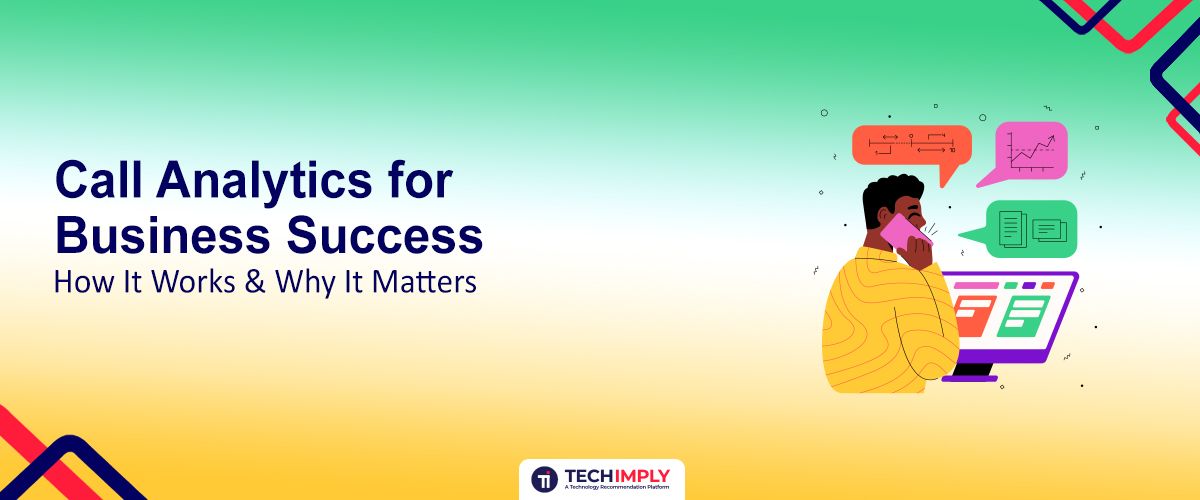
In the modern customer oriented world, each and every interaction matters. Every phone call, be it a sales enquiry, a support call, or just a simple feedback, contains information on what customers need and expect. Businesses are often interested in getting the deal done or getting the problem solved, but they fail to see the gold mine of information that lies within such discussions.
This is the point where call analytics comes in. Transforming the most routine phone conversations into quantifiable information, it provides the companies with a better insight into customer behavior, their preferences, and their pain points.

Looking for Cloud Call Center Software?
Check out Techimply's best cloud call center solutions for your business.
Call analytics is no longer only a question of recording the duration of calls or the number of calls made. Modern solutions can expose the motives behind conversations, reveal what is upsetting or making customers happy, and even determine the sources for winning or losing a sale. With this knowledge, organizations can fine-tune their sales process, create great customer experiences, and make sharper decisions when looking at their business functions. It is no wonder that this practice is becoming a vital tool within industries globally, from retail to healthcare to finance to technology.
What is Call Analytics?
Call analytics is the process of gathering, tracking, and analyzing customer call data. Not only are the duration and frequency of calls monitored, but the quality, purpose, and results of conversations are examined. For example, sales call analytics can reveal why certain calls are turned down and others are not, and then provide sales teams with some actionable insights to improve their process.
The growing importance of this practice is also seen in the tendency within the industry. It is projected that the contact center analytics market will grow at a very fast rate, reaching approximately USD 2.9 billion by 2027 with an annual growth rate of 11.7%. This expansion demonstrates that an increasing number of companies are resorting to call data to streamline their customer experiences, sales strategies, and decision-making. In simple words, the response to the question of what is call analytics is that it is a tactical approach to understand your conversations with customers and put them into action to drive growth.
How Call Analytics Actually Works
Modern call analytics technology uses a combination of different techniques, including speech recognition, natural language processing, and machine learning, to identify patterns in calls. The keywords, sentiment, and even customer frustration are detected by a call analyzer tool and can provide businesses with a clear view of what transpired. In the case of AI call analytics, organizations can automate the process of identifying opportunities and problems, which saves time and is more accurate than manual monitoring.
The other component of this process is analytics call tracking, which links call information with marketing campaigns. This will allow you to view what ads, web pages, or social media actions are contributing to the number of phone calls, so you can invest in an appropriate marketing channel.

Do You Know?
The first generation of call analytics tools only monitored the call duration and missed calls. Now, AI call analytics allow companies to identify customer sentiment, find their sales triggers, and even forecast customer churn - all through one phone call.
How Can Call Analytics Be Successfully Deployed in Your Business?
The implementation of business call analytics involves the following step-by-step planning:
-
1. Define your goals
Choose whether to optimise customer service, sales, or to evaluate marketing campaigns. For example, telephone analytics can show how efficiently a customer service department handles the calls.
-
2. Choose the right tools
Choose the call analytics software that meets your requirements. Certain companies are more interested in the integration with CRMs, and others are more interested in the advanced call center analytics capabilities to monitor the agent performance and efficiency.
-
3. Integrate with existing systems
To determine how to set up call analytics in your business, you should make sure that the tool can be integrated with your telephony solution, CRM, and marketing platform, etc. This ensures all data is unified.
-
4. Train your team
Not only should the employees understand how to use the tool, but also how to interpret data. This simplifies the process of adoption and leads to more effective outcomes.
-
5. Start small and scale
Begin with a pilot program. For example, test sales call analytics in one department and then implement it across the company.
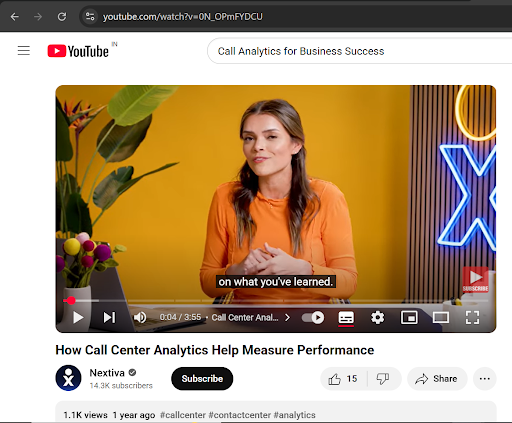
Source Link: How Call Analytics Help Measure performance
Finally, companies can even analyze content of calls to gain more information. This aids in recognizing the problems with customers that keep happening, developing scripts, and improving overall service quality.
2 Quick Questions to Understand Call Analytics Better
-
1. What Industries Should Use Call Analytics Solutions?
The fact is that nearly all industries are benefiting from call analytics solutions. Healthcare providers can see the questions that patients ask, financial services can track compliance using phone call analytics, and retail businesses can use business call analytics to optimize sales. Basically, any industry that requires customer contact on a call should take advantage of this technology.
Pro-tip
The most important thing to do when strategizing how to set up call analytics is to begin with a single business objective, like call handling time or increasing conversion. It is better to concentrate on one area initially to make the implementation process easy, and you can see the results and start achieving them fast.
2. What Should You Ask When Choosing Call Analytics Providers?
Scalability, integrations, data security, and reporting functions are questions to ask vendors when you assess them. E.g., in case you require detailed insights, it is important that they provide call log analytics to follow the pattern of call history. In addition, they may have real-time dashboards and advanced reporting capabilities to make quick decisions.
Conclusion
In the current competitive business environment, calls are not just ordinary conversations; they are a gold mine of data. The right call analytics software and strategy can help businesses convert these insights into action strategies. You may want to enhance service, sell better, or enhance marketing, but in any case, effective use of call analytics technology can provide a real advantage.