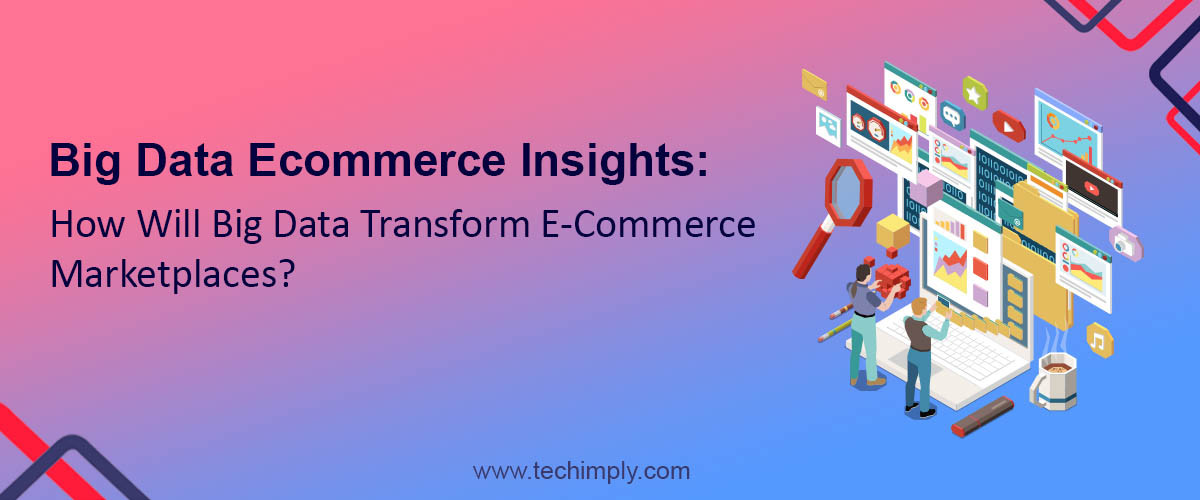
Attention, shopaholics and tech enthusiasts! We've got a front-row seat to witness the revolution that's about to reshape the e-commerce landscape. So, grab your popcorn (or virtual shopping carts), because we're about to uncover how Big Data is transforming the way we shop and changing the game for businesses in the digital realm.
Explore the future of e-commerce with powerful data analytics. Learn how Ecommerce platform are leveraging Big Data to revolutionize the online shopping experience
Decoding Data Crawling
It's like having a super-smart detective snoop around the web, collecting precious data gems from websites. Well, that's data crawling for you!
Also known as web crawling, it's like having a data-hungry explorer that navigates websites, scrapes valuable information, and organizes it for analysis.
It involves using specialized tools called crawlers or spiders, automated bots that navigate the web, gather data, and make it available for processing. These crawlers start with a seed URL and systematically navigate through web pages, extracting data based on predefined rules and patterns.
Meet The Crawlers
Crawlers are just like a swarm of digital bees buzzing around the internet, tirelessly collecting data. These bots are designed to follow links, index web pages, and extract crucial information like product details, prices, and customer reviews.
Crawlers are the backbone of data-crawling operations. They are like savvy explorers, constantly updated to keep up with the ever-changing web landscape. These bots use algorithms to decide which pages to visit, how often to revisit them, and what data to extract. Thanks to them, businesses can easily gather massive amounts of data from across the web.
In the e-commerce world, data crawling is vital because it provides access to up-to-date and comprehensive information. E-commerce platforms rely on crawlers to fetch the latest product details, pricing, and customer reviews, allowing them to make informed decisions and provide an enhanced shopping experience to users.
Scaling Mountains Of Data
You like mount climbing? Well, its just like mountains of data and having to climb them all! Crawlers are like data superheroes, making sure no valuable information goes unnoticed.
Handling the colossal volume of data available on the web is a significant challenge for data crawling. Crawlers need to navigate through billions of web pages while being resource-friendly. Balancing data coverage and resource consumption is the key.
To tackle this challenge, crawlers use techniques like parallel processing, performing multiple tasks simultaneously to optimize computing resources. They also employ caching mechanisms to store previously fetched data, reducing redundant requests and speeding up the crawling process.
For a deeper understanding of these challenges and how to overcome them, you might find ScrapeNetwork’s guide to scraping vs crawling helpful.ScrapeNetwork’s guide
The Art Of Data Crawling
Crawlers aren't just hard workers; they're masters of efficiency, too! They're like data connoisseurs, picking only the juiciest bits of information and streamlining the entire data collection process.
Efficient crawling is vital for e-commerce marketplaces because it affects the quality and quantity of data they gather. By avoiding duplicate data and focusing on relevant information, crawlers deliver accurate and comprehensive data sets for analysis.
To achieve peak efficiency, crawlers employ various tactics, such as caching previously fetched data, prioritizing essential pages, and using parallel processing to collect data faster. They also have a sense of politeness, ensuring they don't bombard websites with excessive requests.
Efficient data crawling is essential for e-commerce platforms to provide customers with accurate product information in real time. By focusing on scraping the web with Ruby, your scripts can fetch data rapidly and integrate it seamlessly, enhancing inventory management and personalization.
Efficient data crawling is essential for e-commerce platforms to provide customers with real-time and accurate product information. The data collected serves as the foundation for personalized recommendations, inventory management, and marketing strategies.
The Part Of Crawling APIs
Let's introduce a crucial player in this data-driven tale - Crawling APIs! These nifty Application Programming Interfaces act as bridges, connecting e-commerce platforms to the vast data universe on the web.
Crawling APIs allow platforms to request specific data from crawlers, define crawling parameters, and receive the information they need in a structured format. These APIs provide a level of abstraction, making it easier for developers to interact with crawlers without diving into the complexities of crawling implementation.
web crawling API empowers e-commerce platforms with data-on-demand capabilities. They can access fresh and real-time data from crawlers, allowing them to offer customers the latest product information, stock availability, and pricing. With Crawling APIs, the data flow becomes seamless and dynamic, empowering e-commerce platforms to stay updated with the ever-changing web landscape.
Real-Time Data With Crawling
Imagine getting the freshest data, updated in real time, to offer customers the latest product information, stock availability, and pricing. It's like having a data genie granting your wishes!
Real-time crawling allows e-commerce platforms to make informed decisions based on up-to-date data. They can adjust pricing strategies, restock products based on inventory levels, and respond to customer demands promptly. Real-time data access gives e-commerce platforms a competitive edge in the fast-paced digital market.
This is especially crucial for platforms operating in rapidly changing markets, such as fashion and electronics, where product availability and pricing fluctuate frequently. With real-time data, they can stay ahead of competitors and respond quickly to market trends and customer demands.
Big Data E-commerce Insights: The Gateway To A Better Shopping Experience
Thanks to Big Data E-commerce Insights, e-commerce platforms can be your BFF (Best-Fit Finder). They can offer personalized product recommendations by analyzing your shopping behavior and preferences, making your shopping journey a breeze.
Personalization is a game-changer in the e-commerce industry. It allows platforms to tailor the shopping experience to each customer, ensuring they see the most relevant products and offers. Personalized recommendations enhance customer satisfaction and boost conversion rates and customer loyalty.
To achieve personalization, e-commerce platforms leverage the vast amount of data collected through crawling and analyze it using advanced machine learning algorithms. These algorithms can predict customer preferences, recommend similar products, and even suggest complementary items based on past purchase history.
To identify patterns and trends, machine learning models analyze historical data, such as customer interactions, past purchases, and browsing behavior. Based on these insights, the models generate personalized recommendations that align with each customer's unique preferences and interests.
E-commerce platforms can further enhance personalization by allowing customers to provide explicit feedback, such as ratings and reviews, and incorporating this data into the recommendation engine. The recommendation engine becomes more accurate and relevant over time by continuously learning from customer interactions and feedback.
The benefits of personalization extend beyond customer satisfaction. E-commerce platforms implementing effective personalization strategies can achieve higher conversion rates, increased customer retention, and improved customer lifetime value.
Predictive Analytics Of Big Data!
Big Data's predictive analytics powers let e-commerce businesses forecast future trends, customer demands, and stock requirements. This foresight empowers platforms to optimize pricing, inventory management, and marketing strategies, staying ahead of the competition.
Predictive analytics relies on historical data and statistical models to predict future events. For e-commerce platforms, predictive analytics can forecast customer demand for specific products, identify peak shopping periods, and predict sales trends. By understanding future trends, platforms can proactively adjust their operations to capitalize on opportunities and mitigate risks.
Predictive analytics plays a crucial role in inventory management for e-commerce marketplaces. By forecasting future product demand, platforms can optimize their inventory levels, ensuring they have the right products available at the right time. This minimizes the risk of overstocking or stockouts, leading to cost savings and improved customer satisfaction.
In addition to inventory management, predictive analytics can optimize pricing strategies for e-commerce platforms. By analyzing market trends, competitor pricing, and customer behavior, platforms can adjust their pricing in real time to remain competitive while maximizing profits.
Security Matters With Big Data
With Big Data E-commerce Insights, security is a top priority. Advanced data analytics helps identify potential cybersecurity threats, safeguard sensitive information, and ensure a safe online shopping experience.
Security is a paramount concern for e-commerce marketplaces, which handle vast amounts of sensitive customer data, including personal information, payment details, and purchase history. Big Data analytics can detect unusual patterns and behavior indicating a security breach or potential cyber attack. This early detection allows e-commerce platforms to implement appropriate security measures and protect your data effectively.
One significant challenge e-commerce platforms face is protecting customer data from cyber threats. Cybersecurity attacks, such as data breaches and hacking attempts, can have severe consequences, including financial losses and damage to the platform's reputation.
Big Data analytics can analyze user behavior and identify suspicious activities indicating unauthorized access or malicious intent. By continuously monitoring user interactions, platforms can detect anomalies and take immediate action to prevent security breaches.
Additionally, platforms can use data-driven security measures, such as multi-factor authentication and encryption, to protect sensitive data. These security measures provide an extra layer of protection and ensure that your information remains safe and secure.
The Perfect Match Of Marketing And Magic
Big Data enables e-commerce platforms to create marketing campaigns that speak directly to you. Businesses can craft the perfect marketing messages that genuinely click by understanding your preferences.
Targeted marketing is about delivering the right message to the right audience at the right time. Big Data software analytics enables e-commerce platforms to gain insights into your preferences, behaviors, and interests. Armed with this knowledge, they can segment their customer base and tailor marketing campaigns to specific groups, ensuring their messages resonate with each audience segment.
By analyzing your data, e-commerce platforms can optimize their marketing efforts, leading to higher engagement, increased conversion rates, and a better return on investment (ROI) for marketing campaigns.
With targeted marketing, e-commerce platforms via smart proxy you can avoid spams and irrelevant ads and promotions, leading to a more positive customer experience. Moreover, personalized marketing messages create a sense of connection and relevance, strengthening the relationship between the platform and its customers.
Got It All?
So, there you have it, dear shoppers and data enthusiasts! We've taken a deep dive into the exciting world of Big Data E-commerce Insights, data crawling, web crawling, crawlers, and Crawling APIs.
As e-commerce marketplaces embrace the power of data, the future looks promising, with personalized experiences, optimized strategies, and seamless security. Big Data is not just changing the way we shop; it's revolutionizing the entire e-commerce landscape.
So, next time you hit that "add to cart" button or browse through the latest deals, remember the hidden world of data crawling and the magic of Big Data E-commerce Insights working behind the scenes to make your shopping experience extraordinary.

.png "How to Track and Manage SaaS Subscriptions")