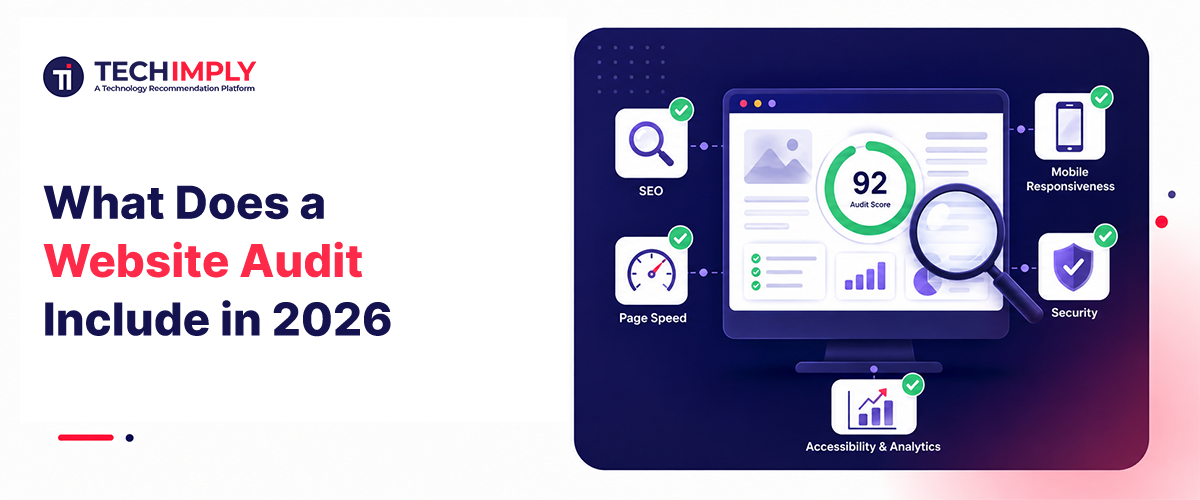
A website audit in 2026 includes much more than checking for broken links and outdated pages. A thorough audit examines how easily search engines and users can access a site, whether its content meets search intent, how quickly pages perform, and where technical or conversion issues may be limiting results.
Modern websites also face a more complex search environment. Visibility can depend on traditional organic rankings, local search, structured data, accessibility, user experience, and how well a site performs across different devices.
The purpose of an audit is not simply to produce a long list of problems. The most useful audits turn their findings into a prioritized action plan, helping businesses understand which improvements should happen first and which areas require ongoing attention.
Start With a Technical Website Health Check
Technical performance provides the foundation for the rest of a website. If search engines cannot properly crawl and understand important pages, strong content and design may still struggle to deliver results.
A technical audit typically reviews areas such as:
- Crawlability and indexation
- Broken links and server errors
- Site speed and Core Web Vitals
- Structured data and schema markup
- HTTPS security and technical protections
Quick diagnostic tools can provide a useful starting point, especially when businesses need to identify obvious issues before beginning a deeper review. More comprehensive AI website management services can also help teams monitor and manage ongoing website needs as technical issues, content, and search requirements change.
Review Content and Search Intent
A website can be technically sound while still failing to attract the right audience. Content reviews look at whether individual pages align with the searches they are intended to target and whether users can easily find information that meets their needs.
An audit may identify thin content, overlapping pages, outdated information, or pages targeting the wrong keywords. Information architecture also matters because clear navigation helps both users and search engines understand how pages connect.
Evaluate User Experience and Accessibility
A modern website audit should consider what happens after someone reaches the site. Slow loading pages, confusing navigation, poor mobile experiences, and accessibility barriers can all make it harder for visitors to complete their goals.
Accessibility reviews may examine features such as:
- Heading structure and page hierarchy
- Image alt text and descriptions
- Keyboard navigation and focus
- Color contrast and readability
- Form labels and interactive elements
Conversion paths should also be part of the review. A business may attract substantial traffic but still lose potential customers if key actions, such as requesting a quote or making a purchase, require too many steps.
Consider Local and Structured Search Factors
Local businesses need to look beyond standard organic rankings. A website audit may review location pages, business information, internal linking, local relevance, and factors that support visibility in local search results.
Structured data can also help search engines better understand products, services, organizations, events, and other content. Correct markup will not guarantee visibility, but errors or missing opportunities may limit how effectively important information is interpreted.
Turn Audit Findings Into a Prioritized Fix List
The difference between a useful audit and an overwhelming report is prioritization. Businesses should know which problems require immediate attention and which improvements can be scheduled as part of ongoing website management.
Manual audits can provide deeper context, while automated tools are useful for frequent monitoring and identifying recurring issues. Combining both approaches can help businesses address urgent problems while keeping website performance from slipping over time.