
For small businesses, shipping can make or break the customer experience. Customers expect fast, affordable, and reliable deliveries, even from shops just starting out. That’s why having the right shipping solutions is essential for success. The right plan can save time, reduce costs, and help your business grow more smoothly.
Let’s look at some effective shipping strategies that small business owners can use to improve delivery, build customer trust, and stay competitive. Many rely on e-commerce tools for small businesses to centralize orders, manage carriers, and automate fulfillment.
Top Insights
-
Use a reliable shipping software or shipping platform to centralize and automate shipping, like Rollo Ship.
-
Offer flat-rate or free shipping to build trust and reduce cart abandonment.
-
Compare carrier rates regularly to save money on every order.
-
Automate and batch-print labels to save time and minimize errors.
-
Provide real-time tracking and simplify returns to boost customer confidence.
-
Leverage branded packaging and clear policies to strengthen loyalty.
-
Use mobile-friendly tools and prepare for peak seasons to stay efficient and competitive.
1. Offer Flat-Rate or Free Shipping
Customers love knowing what to expect at checkout. That’s why flat-rate or free shipping options are powerful tools for small businesses.
Why it works:
-
Simple pricing builds trust
-
Encourages higher cart values
-
Reduces cart abandonment
You can roll shipping costs into product prices or set minimum spend limits for free shipping. The goal is to make your shipping policy easy to understand and appealing enough to convert more visitors into buyers.

2. Use to Streamline Your Workflow
The Rollo thermal label printer is used by small businesses that want to simplify shipping without breaking the bank. It offers a powerful solution for printing shipping labels, syncing with your e-commerce store, and accessing discounted carrier rates, all with no monthly fees. After that, you only pay $0.05 per label. It’s a clear, cost-effective setup designed for sellers who value speed and simplicity.
Key Rollo Ship benefits:
-
No monthly fees, 200 free labels (then $0.05 each), up to 90% off USPS and 85% off UPS, flexible payment options, and no business verification required.
-
This free shipping software integrates with Shopify, eBay, and more.
-
Users can choose to connect a shipping carrier’s account: USPS, UPS, or FedEx, or ship through Rollo Ship and take advantage of the discounted shipping rates.
-
Mobile-friendly dashboard and real-time syncing.
-
You can print multiple labels at once. Compatible with any printer, it works best with the popular Rollo wireless label printer.
-
Rollo Ship works on desktop, iOS, and Android, giving sellers a streamlined and cost-effective way to manage shipping at scale.
-
Inventory management, Order Consolidation, AI shipping automation, Simplified customs declaration, paperless invoice, users with different access levels for a business account
To see how it works, check out the best shipping software walkthrough or browse available integrations for your store platform. Many users are happy with Roll’s functionalities, especially its focus on helping small sellers succeed. As of recently, Rollo Ship launched in Canada, where it operates with UPS Canada, FedEx Canada, Purolator, and Canada Post.
3. Compare Shipping Rates Regularly
Don’t stick to just one shipping carrier. Comparing rates across USPS, UPS, and FedEx lets small businesses save on every order. The best shipping software for small business owners offers this comparison feature right inside the platform.
Benefits of rate shopping:
-
Choose the best value based on speed and cost
-
Optimize for domestic or international shipping
-
Avoid unexpected price hikes during peak seasons
A tool like a shipping dashboard makes it easy to choose the best deal for each package, without logging into multiple carrier websites.
4. Batch Print and Automate Your Labels
Shipping labels don’t need to take up your whole day. Automating label creation and printing in batches can save hours every week, especially during busy times. This is especially useful for sellers handling high order volumes or managing multiple sales channels at once.
Look for these features in your shipping platform:
-
Batch label printing for multiple orders
-
Auto-fill addresses and weights
-
Order syncing from Shopify, WooCommerce, or Amazon
-
Automated carrier selection or preset shipping rules
These tools help eliminate manual errors, reduce repetitive tasks, and keep your daily shipping workflow smooth, fast, and highly efficient.
5. Offer Real-Time Tracking
By sending real-time tracking links via email or SMS, you keep customers in the loop and reduce support messages. Proactive communication builds buyer confidence and eliminates the uncertainty that buyers often feel after placing an order.
What tracking improves:
-
Customer satisfaction and trust
-
Fewer refund or chargeback requests
-
Higher return customer rates
Many shipping platforms even allow branded tracking pages that feature your store logo and colours for a more professional look, helping reinforce your brand identity. Adding estimated delivery windows, automated status updates, and delivery confirmation notifications further enhances the customer experience and keeps your support workload low.
6. Simplify Returns for Your Customers
Returns are part of e-commerce. But the process doesn’t have to be a headache. By offering simple return instructions and prepaid labels, small businesses can build customer confidence and loyalty. When customers know they can return an item without stress, they feel more comfortable ordering again in the future. A smooth return experience also reduces support tickets and saves you time during busy seasons.
Strong return strategies include:
-
Printable or emailed return labels
-
Clear refund timelines
-
Customer-friendly return pages
If your e-commerce software includes return label generation, this part becomes much easier for both you and your buyer. With automated tools, you can create labels on demand, track return shipments, and update customers quickly. This organized system helps maintain trust, especially for new customers testing your store for the first time
7. Use Packaging That Matches Your Brand
Shipping isn’t just about getting the product to the customer, it’s also an extension of your brand. Creative, branded packaging can leave a lasting impression and encourage repeat orders. When customers open a thoughtfully packed box, it feels like part of the shopping experience rather than a basic delivery. It also gives your products a professional look, which can increase customer loyalty over time.
Ideas for brand-friendly packaging:
-
Use eco-friendly materials
-
Include a thank-you card or coupon
-
Add stickers or care instructions
A small touch like this helps your business stand out, especially in a competitive online space. Many customers even share unboxing moments on social media, giving your brand free exposure. Branded packaging also reinforces your business values, sustainability, creativity, or premium quality—making the customer feel connected to your brand identity.
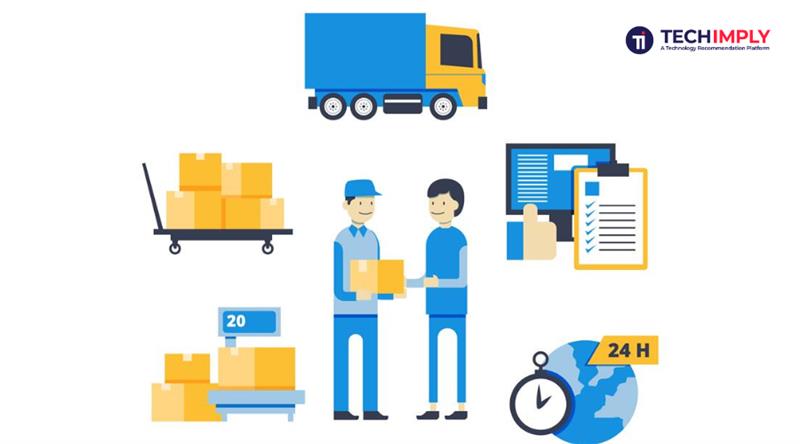
8. Set Clear Shipping Times and Policies
Be upfront about shipping times, especially for made-to-order or personalized items. A clear shipping policy builds trust and reduces customer complaints. When buyers understand what to expect, they are less likely to message you about order progress or request refunds. Transparency helps set the right expectations and creates a smoother experience for both sides.
What to include:
-
Processing time before an item ships
-
Estimate delivery times for each carrier
-
Return and exchange policies
Keep it simple and post the policy where customers can easily find it, like your product pages or FAQ section. You can also include a short version during checkout to reduce confusion. Clear and honest timelines help prevent chargebacks, create consistency, and boost customer satisfaction, especially during busy seasons when delays are more common.
9. Go Mobile with Shipping Tools
Running a small business means wearing many hats. Having mobile access to your shipping tools allows you to manage orders, print labels, and stay on top of fulfillment even when you’re away from your workspace.
Look for features like:
-
Mobile printing support
-
Live order updates and push notifications
-
Cloud syncing across devices
Some platforms are designed to work seamlessly across desktops and mobile devices, giving business owners flexibility wherever they are.
10. Prepare for Peak Seasons in Advance
Holidays and sales events can overwhelm your shipping station if you’re not prepared. That’s why small businesses should plan for shipping during busy times.
Helpful tips:
Stock up on packing supplies.
Review carrier deadlines and schedules.
Offer early-bird deals to spread out the rush.
The earlier you prepare, the smoother your shipping process will be when the orders start coming in.
11. Use Free Inventory Management Tools
Keeping track of stock is a major challenge for small businesses. Running out of an item right after a customer places an order can cause refunds, delays, and frustration. That’s why built-in free inventory management is such a valuable feature in a shipping platform, as in Rollo Ship’s case.
A good inventory system helps you:
-
See real-time stock levels for every SKU
-
Track which products are selling the fastest
-
Avoid overselling across multiple marketplaces
-
Get low-stock alerts before problems arise
-
Keep fulfillment accurate and efficient
Many sellers use this feature to stay organized without spending money on extra software. With everything in one dashboard, including shipping, labels, orders, and inventory, small businesses can save money and reduce errors while keeping customers happy. Since the inventory tool updates as soon as labels are printed or orders are fulfilled, it makes sure your product count remains accurate across platforms like Shopify, eBay, and more.
Final Thoughts
Shipping is one of the most important parts of running a small business. Done well, it can turn first-time buyers into loyal customers. With the right strategy and the right software, you can handle orders more efficiently, save money, and grow your business confidently.
From offering flat-rate shipping to automating your labels, every improvement helps. And when it comes to finding a tool that keeps things simple. With no monthly fees, built-in integrations, and mobile access, it gives small businesses a clear path to smarter shipping.