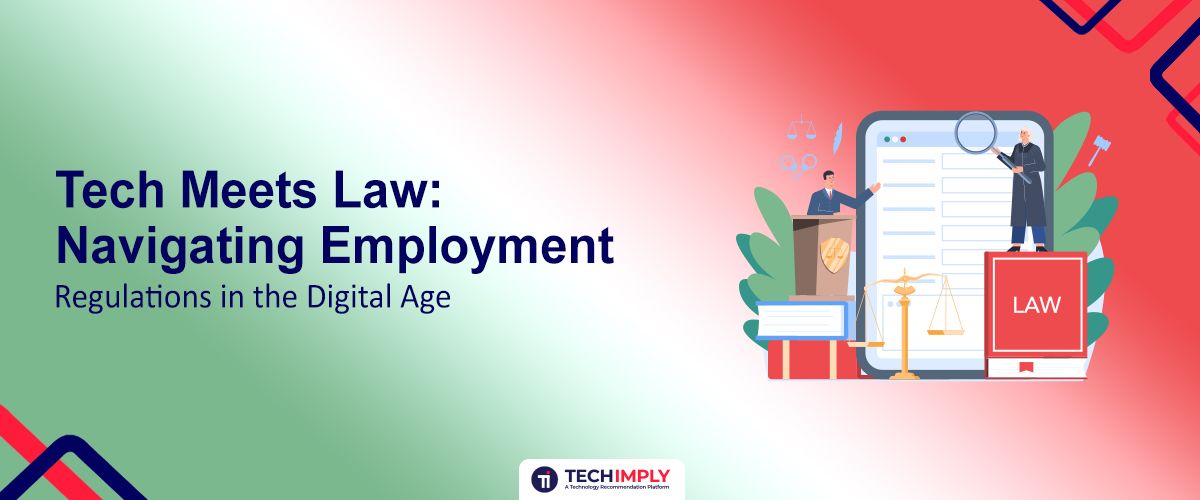
In today's rapidly evolving digital landscape, the intersection of technology and employment law presents both opportunities and challenges. As more organisations digitise their operations, employees and employers alike must stay informed about the latest legal requirements.
Understanding how these changes impact employment regulations is crucial. For those in the West Midlands, employment law advice Coventry, Birmingham, or Wolverhampton, can provide valuable guidance on navigating these complexities.
This article aims to explore how digital transformation is influencing employment law and to highlight the importance of staying compliant in an increasingly tech-driven workplace.
The Impact of Technology on Employment Law
The digital age has transformed how businesses operate and communicate. With remote work becoming more prevalent, there are new considerations for employment contracts, data protection, and employee rights. This transformation requires a reevaluation of traditional employment laws to ensure they remain relevant and effective.
Remote Work and Flexible Arrangements
Flexible working arrangements have become a norm in many industries, thanks to advances in digital technology. However, these arrangements pose unique challenges in terms of compliance with existing employment regulations. Employers must ensure that remote work policies are clear and comprehensive, covering aspects such as working hours, overtime, and health and safety obligations.
-
Define clear working hours and expectations for remote employees.
-
Ensure health and safety standards are met, even outside the traditional office setting.
-
Regularly review and update digital communication policies to reflect current laws.
Data Protection and Privacy Concerns
As technology facilitates the collection and storage of vast amounts of employee data, maintaining privacy and ensuring data protection have become paramount. Employers must adhere to regulations such as the General Data Protection Regulation (GDPR) in the UK, which governs how personal data is handled. This includes obtaining explicit consent from employees for data collection and implementing robust security measures to prevent data breaches.
-
Inform employees about what data is collected and how it will be used.
-
Secure personal data through encryption and access controls.
-
Establish protocols for reporting and managing data breaches promptly.
For a deeper understanding of GDPR, you may wish to utilise this resource.
Automation and Artificial Intelligence
Automation and artificial intelligence (AI) are reshaping the workforce, prompting the need for new legal frameworks to address the implications. While these technologies can enhance productivity and efficiency, they also pose potential risks to job security and employment rights.
For instance, as automation takes over routine tasks, employers must consider how to manage redundancies and retrain affected employees. Additionally, when AI systems are used in hiring processes, it is essential to ensure that these technologies comply with anti-discrimination laws and do not inadvertently perpetuate biases.
To responsibly integrate AI into the workplace, employers should:
-
Conduct audits of AI systems to identify and mitigate potential biases.
-
Provide training for employees to develop new skills that complement automated processes.
-
Ensure transparency in AI decision-making processes to maintain trust and accountability.
For further reading, you can visit this webpage on how to ensure GDPR compliance when using AI.
Employee Rights in the Digital Age
The digital age has heightened awareness of employee rights, with technology playing a pivotal role in empowering workers. Social media, for example, has become a platform for employees to voice their concerns and advocate for better working conditions. This development necessitates a careful balance between freedom of expression and the protection of business interests.
Employers must develop social media policies that respect employee rights while safeguarding the company's reputation. These policies should clearly outline acceptable conduct and the potential consequences of policy violations. Additionally, employers should be vigilant in monitoring online activity without infringing on privacy rights.
Moreover, as the gig economy expands, it challenges traditional notions of employment status. Employers must evaluate whether gig workers should be classified as employees or independent contractors, each with distinct legal rights and obligations. This classification can impact everything from tax responsibilities to eligibility for employee benefits.
To navigate these complexities, organisations are urged to keep abreast of legislative changes and court rulings that may influence the classification and treatment of gig workers.
Adapting to Legal Challenges in a Digital World
As technology continues to revolutionise the workplace, the need for robust and adaptive employment regulations becomes increasingly apparent. Employers and employees must work collaboratively to navigate this ever-changing landscape, ensuring that rights are protected and obligations are met.
Staying informed about legal developments and seeking expert advice can help organisations mitigate risks and harness the benefits of digital transformation. By proactively addressing these challenges, businesses can foster a fair, compliant, and productive working environment that supports innovation and growth.
Ultimately, the intersection of technology and law presents an opportunity to redefine the future of work, promoting flexibility, fairness, and resilience in the digital age.
Please be advised this article is for informational purposes only and should not be used as a substitute for advice from a trained legal or business professional. Please seek the advice of a legal or business professional if you’re facing issues regarding staying compliant when using technology in your business.