Running a business today means working with dozens of tools: a CRM here, an ERP there, a cloud platform somewhere else. When these systems cannot talk to each other, you end up with wasted hours, missed data, and costly errors. That is exactly where system integration services come in. These services connect your separate software applications, databases, and hardware into one unified ecosystem so information flows freely across your organization.

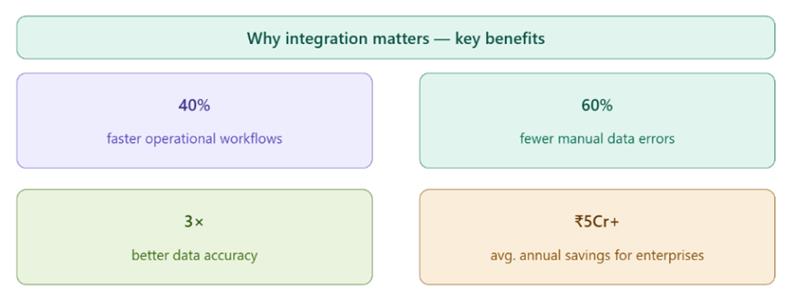
System integration services are vital for streamlining business processes, reducing operational costs, and improving data accuracy. They serve as the backbone of digital transformation initiatives, ensuring that different IT components work harmoniously. For organizations seeking to optimize their IT infrastructure, collaborating with a skilled system integrator can make all the difference. This blog explores the system integration services' meaning, the various types of integration, and the best approaches to implementing these services effectively.
What is the Meaning of System Integration Service?
System integration services refer to the process of linking different computing systems and software applications physically or logically, ensuring they operate as a unified system. The goal is to facilitate data sharing and communication across diverse platforms, thereby creating a cohesive environment that supports business objectives.
In simple terms, system integration services streamline operations by connecting existing IT infrastructure with new solutions, reducing manual effort, and minimizing errors. For example, integrating a custom customer relationship management system with an enterprise resource planning (ERP) system allows sales data to automatically update inventory and finance modules, saving time and reducing discrepancies.
System integration Services Meaning extends beyond mere connectivity; it involves designing, implementing, and maintaining integration solutions tailored to business needs. These services often include data migration, API development, middleware deployment, and ongoing support. Effective integration ensures that data flows smoothly, systems communicate efficiently, and organizations can leverage their technology investments fully.
Why is a System Integrator Important?
A system integrator plays a critical role in orchestrating the complex process of unifying different IT systems. Their expertise ensures that various components, whether legacy or modern, work together seamlessly. Without a skilled system integrator, organizations risk facing fragmented systems, data silos, and operational inefficiencies. System integrators bring in-depth knowledge of different integration methods and types of integration, enabling them to select and implement the most suitable approach for each project. They act as a bridge between various technology vendors, ensuring compatibility and optimal performance.
Furthermore, system integrators help organizations adapt to rapid technological changes. They understand emerging trends like IoT system integration and cloud integration, providing strategic advice and technical execution. Their involvement minimizes risks, accelerates deployment, and maximizes return on investment. Global system integrators have a significant impact by offering large-scale solutions across multiple industries worldwide. Their experience ensures that your business benefits from best practices and innovative integration methods suited to your specific needs.
What are the Different Types of Integration Services?
Understanding the various types of integration is essential for selecting the right approach. Each type serves specific business needs and involves different integration methods.
Legacy System Integration
Legacy system integration is a specialized type of integration within modern IT integration that connects outdated but critical systems with newer applications. Many organizations rely on a skilled system integrator to implement the right integration methods, often using custom middleware or adapters for compatibility.
This approach helps define integrated services by ensuring seamless communication between old and new systems. It enables businesses to modernize gradually without replacing their entire infrastructure.
Enterprise Application Integration (EAI)
Enterprise Application Integration (EAI) is a powerful type of integration within modern IT integration that connects core business applications to enable real-time data sharing. It typically uses middleware to link systems like HR, finance, and supply chain into a unified environment.
A skilled system integrator applies advanced integration methods to ensure seamless communication between applications. This approach helps define integrated services, improving efficiency, data consistency, and overall business performance.
Third-party System Integration
Third-party system integration is a widely used type of integration in modern IT integration, where external services like payment gateways, social media platforms, or APIs are connected to existing systems. This approach enhances functionality without replacing current infrastructure, making it highly flexible.
A skilled system integrator uses effective integration methods to ensure smooth connectivity and performance. It also helps define integrated services by expanding capabilities while maintaining system stability.
Data Integration
Data integration is a fundamental type of integration in modern IT integration that consolidates data from multiple sources into a centralized repository, such as a data warehouse. This process ensures consistent and accurate HR information and business data across systems.
A skilled system integrator applies the right integration methods to enable seamless data flow and connectivity. It also helps define integrated services by supporting advanced analytics, reporting, and better decision-making across the organization.
Cloud Integration
Cloud integration, a key type of integration in modern IT integration, connects on-premises systems with cloud services to create hybrid environments. It enables seamless data flow between local servers and platforms like AWS, Azure, or Google Cloud, ensuring flexibility and scalability.
A skilled system integrator can implement effective integration methods to optimize performance and security. This approach also helps define integrated services by unifying infrastructure and supporting remote access efficiently.
IoT System Integration
IoT integration is an advanced type of integration within modern IT integration that connects devices, sensors, and machinery to core business systems. This approach enables real-time monitoring, automation, and smarter decision-making across operations.
A skilled system integrator uses the right integration methods to ensure seamless communication between devices and platforms. It also helps define integrated services by improving efficiency, reducing downtime, and enhancing overall operational performance.
Do You Know?
Many businesses struggle with IT integration due to hidden challenges like data silos, unclear ownership, and constant system changes. Without the right integration methods and a skilled system integrator, these issues can slow down projects and increase costs. Even large companies rely on global system integrators to overcome these barriers efficiently.
How to Approach System Integration Services?
Choosing the right approach is crucial for successful implementation. Different integration methods fit different organizational contexts and project requirements.
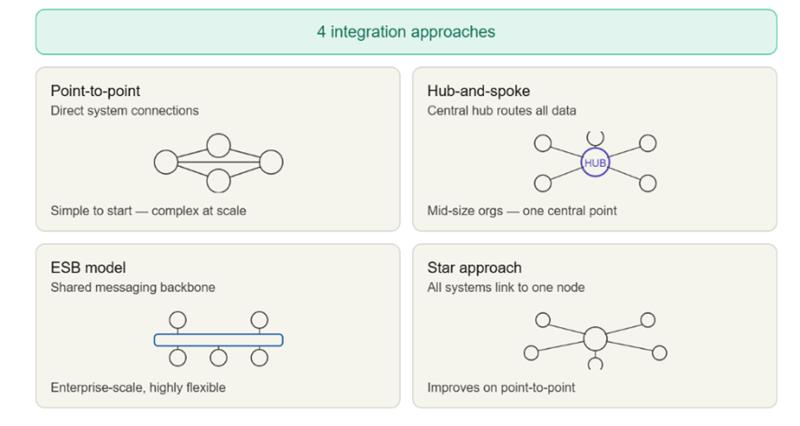
Point-to-Point (Star/Spaghetti) Model
This is one of the most basic integration methods used in IT integration, where each system connects directly to another. While easy to set up initially, it becomes complex as more connections are added, making maintenance difficult. This type of integration is best suited for small-scale or short-term projects. Many system integrator teams avoid this model for large environments due to scalability issues.
Hub-and-Spoke Model
In this type of integration, a central hub manages communication between connected systems (spokes). It simplifies IT integration by reducing the number of direct connections and making system updates easier. A system integrator can efficiently manage and scale infrastructure using this model. It also helps define integrated services by centralising data flow and improving system coordination.
Enterprise Service Bus (ESB) Model
The ESB model is an advanced approach to system integration services, meaning that a middleware platform enables communication through a shared messaging system. This method supports flexible and scalable IT integration across multiple applications. Large organisations and global system integrators prefer ESB for handling complex integrations. It is one of the most powerful integration methods for enterprise-level environments.
Star Approach
The star approach is an optimised type of integration that connects all systems to a central node, improving manageability compared to traditional point-to-point models. It simplifies IT integration while maintaining scalability for growing systems. A skilled system integrator can use this approach to reduce complexity and enhance performance. It also helps clearly define integrated services by organizing communication through a central structure.
Challenges While Implementing IT Integration Service for Projects
Implementing system integration services is not without challenges. Recoicing and addressing these issues upfront can save time and resources.
Data Silos
One of the biggest challenges in IT integration is dealing with isolated data stored across different systems. Without proper integration methods, these silos prevent seamless data flow and limit visibility. A skilled system integrator helps break down these barriers by ensuring systems communicate effectively. Overcoming silos is essential to truly define integrated services and improve operational efficiency.
Lack of Accountability
In complex projects involving multiple vendors or global system integrators, accountability can become unclear. When issues arise, it may be difficult to determine responsibility, slowing down resolution. Effective system integration services mean clear ownership, governance, and communication. Strong coordination from a reliable system integrator ensures smoother execution and better outcomes.
Constant Changes
Frequent updates in business requirements, technologies, or systems can disrupt IT integration projects. This makes it challenging to maintain stability across different types of integration. Without flexible integration methods, even small changes can lead to major rework. Experienced global system integrators design adaptable solutions that can handle ongoing changes efficiently.

Pro-tip
Always plan ahead by selecting flexible types of integration that can adapt to future changes. Work with an experienced system integrator to clearly define responsibilities and define integrated services from the start. This approach ensures smoother execution, better scalability, and long-term success in your integration projects.
Conclusion
System integration services are fundamental for modern organizations striving for operational excellence. They enable seamless data flow, unify diverse systems, and support strategic growth. Whether through legacy system integration, cloud solutions, or IoT system integration, selecting the right type of integration and approach is crucial for success. Partnering with an experienced system integrator ensures that your business navigates technical complexities smoothly and leverages integration methods effectively.