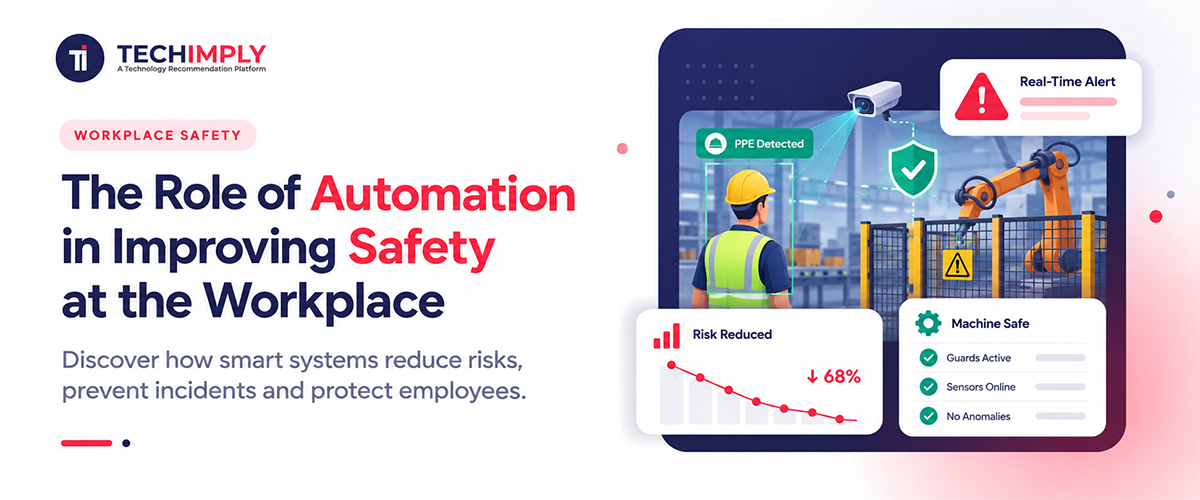
Automation can improve workplace safety by reducing worker exposure to hazardous, repetitive, or physically demanding tasks while enabling continuous monitoring and faster responses to emerging risks. However, automation should support (not replace) risk assessment, employee training, and human oversight. Before implementing an automated safety system, organizations should:
- Identify the specific hazards and tasks that automation can address effectively.
- Evaluate the system’s reliability, limitations, and potential new risks.
- Define when human monitoring or intervention is required.
- Establish manual overrides, emergency shutdowns, and backup procedures for system failures.
- Train employees to operate the system, recognize warnings, use manual controls, and respond to emergencies.
- Track measurable outcomes such as incidents, near misses, hazard response times, equipment failures, and worker exposure.
- Review safety data regularly and adjust the system when results or workplace conditions change.
Automation can support safer workplaces through robotic material handling, real-time hazard monitoring, predictive maintenance, automated reporting, and systems that reduce ergonomic strain. The most effective approach is to match automation to specific risks and maintain clear human responsibility for safety decisions.
Automation is becoming increasingly important in workplaces, especially where organizations seek to limit exposure to hazards and create safer working conditions. Across commercial, industrial, and operational environments, automated systems can perform tasks that may be repetitive, physically demanding, or potentially dangerous.
Essentially, automation is a valuable tool for supporting workplace safety while maintaining consistent and efficient operations. Additions like monitoring systems and automated controls can help organizations detect hazards and reduce repetitive exposure. Read more to learn how automation boosts workplace safety.
How Does Automation Work in Terms of Workplace Safety?
Automation involves using technology to perform tasks without human intervention. In the workplace, it involves using software, machines, and robotics to execute tasks that would be unsafe or dangerous for humans to do. When it comes to workplace safety, automation mostly benefits a wide range of industries, including:
- Manufacturing
- Healthcare
- Mining
- Construction
- Supply
Automation improves compliance by standardizing safety procedures, recording incidents, and maintaining audit trails. It also supports round-the-clock activity, although it comes with limitations and often requires human oversight.
Human oversight should always be in line with the system’s complexity and potential risks. Low-risk automation may require periodic checks, while critical systems need constant monitoring and clearly defined intervention protocols.
Fortunately, organizations can introduce automation without disrupting operations by slowly phasing out manual processes and introducing scalable systems. In case an automated safety system fails, organizations should have backup procedures that protect workers. This includes:
- Manual controls
- Emergency shutdowns
- Alarms
- Evacuation procedures
Organizations should train employees on how automated systems operate, their safety features, limitations, and warning signals. This training should also cover manual overrides, emergency procedures, and reporting system failures.
Why Use Automation for Workplace Safety?
In addition to the safety benefits, automation is essential in the workplace because it helps improve efficiency, accuracy, and consistency. Automated systems have proven to be better when it comes to repetitive or physically demanding tasks, such as:
- Moving heavy items
- Assembly and manufacturing
- Packaging and labeling
- Inventory management
Apart from that, automated systems produce consistent results, helping organizations maintain their operational standards. As technology continues to develop, automation offers practical tools to improve operations while maintaining human oversight and strengthening control management.
6 Ways Automation Improves Safety at the Workplace
More organizations are using automation to improve employee safety in the workplace. These automated methods address several safety concerns inherent in manual operations. Here are some of the specific ways automation boosts the safety of workers:
1. Handles Repetitive Tasks
Organizations can leverage automation to handle repetitive tasks by using machines and software to perform activities consistently and accurately. This reduces human exposure to repetitive movements, heavy lifting, and equipment-related risks.
Automated systems can also track processes, identify errors, and trigger safety alerts when unusual conditions occur. By reducing fatigue, automation allows employees to focus on tasks that require judgment and attention.
2. Supports Real-Time Monitoring and Cuts Human Error
Automation enables organizations to continuously monitor workplace conditions, equipment performance, and employee safety. Sensors and automated systems can detect hazards such as excessive heat, gas leaks, unusual activity, or unsafe conditions and send warnings immediately.
This way, organizations can respond quickly before incidents worsen. Real-time monitoring also makes it easier to identify emerging risks, reduce human error, maintain safety standards, and reduce downtime.
3. Handles Hazardous Materials
Automation involves using machines and robotic systems to handle hazardous materials that could expose workers to harmful substances. This equipment can transport, mix, store, or dispose of dangerous materials with greater precision and consistency.
Therefore, they reduce direct human contact and lower the risk of spills, burns, toxic exposure, and other accidents. Workers exposed to hazardous substances may face long-term health risks. Mesothelioma resources online provide additional information about occupational exposure and how to secure financial assistance in the event of illness.
4. Improves Emergency Response and Offers Predictive Maintenance
Automation supports predictive maintenance by constantly monitoring equipment performance and identifying early signs of wear, faults, or failure. They also trigger alerts quickly when dangerous conditions occur. For instance, they identify fires, gas leaks, equipment failures, or other emergencies and immediately notify responsible personnel.
With sensors that collect relevant data, these systems detect potential problems before they become serious. Early maintenance reduces unexpected equipment breakdowns, mechanical accidents, and operational disruptions. Overall, automated systems enable organizations to improve equipment reliability and protect employees.
5. Reduces Ergonomic Strain
Automation reduces ergonomic strain by taking over physically demanding tasks that can cause discomfort, fatigue, or injuries. Machines and robotic systems can handle heavy lifting, awkward postures, and prolonged tasks. This means they effectively reduce the physical burden on employees.
This way, workers can maintain more comfortable working positions and focus on less strenuous tasks. As automation reduces excessive physical demands, it supports employee well-being and enhances workplace safety.
6. Collects Safety Data
Automation supports the collection of safety data using sensors and monitoring systems. When organizations automate the process of tracking equipment performance and environmental hazards, they can identify recurring risks and make informed safety decisions.
Since these systems provide accurate and timely data, they support proactive risk management and improve safety procedures. They also help organizations ensure safety and efficiency. Here are the types of workplace hazards that are best suited to automation in the workplace:
|
Workplace Hazard |
Examples of Automation |
|
Hazardous chemical exposure |
Robotic chemical handling, automated dispensing systems, remote-controlled mixing equipment |
|
Heavy lifting and material handling |
Robotic arms, automated guided vehicles (AGVs), conveyor systems, robotic palletizers |
|
Repetitive physical tasks |
Automated assembly equipment, packaging machines, robotic sorting systems |
|
Extreme temperatures |
Remote-controlled machinery, automated inspection systems, temperature-monitoring sensors |
|
Gas leaks and air-quality hazards |
Gas detectors, air-quality sensors, automated ventilation systems |
|
Moving machinery |
Machine interlocks, proximity sensors, automated shutdown systems, robotic cells |
|
Equipment failure |
Predictive-maintenance sensors, automated diagnostics, vibration-monitoring systems |
3 Automated Systems and Workflows Supporting Safer Workplaces
To implement automation in the workplace, organizations must leverage specific systems and workflows. When it comes to improving safety, monitoring, reporting, and escalation are essential. Here are three systems and workflows that help when automated:
-
Equipment Monitoring
Automated equipment monitoring can continuously track machinery, tools, and workplace equipment to detect unsafe conditions or performance changes. For instance, certain sensors can detect overheating or mechanical faults and send automatic alerts.
This means that organizations can identify problems before equipment fails or causes injuries. Automated monitoring also supports timely maintenance, reduces unexpected breakdowns, and ensures equipment operates within safe limits.
-
Digital Reporting Systems
Several digital reporting systems automate the collection, recording, and dissemination of information regarding workplace safety. These allow employees to quickly report hazards, accidents, equipment faults, or unsafe behaviors using digital platforms.
Organizations can use tools like workflow automation software to push reports to relevant individuals or teams, track corrective actions, and send reminders. This improves communication, reduces delays, and creates accurate safety records.
-
Clear Escalation Processes
Standard escalation processes use automated workflows to ensure safety concerns reach the appropriate personnel quickly. When a hazard, equipment failure, or incident is reported, the system can automatically notify supervisors, safety officers, or management.
Escalation ensures that important concerns are not overlooked or delayed. By establishing clear responsibilities and response times, automated escalation processes support faster decision-making. They also improve accountability and help organizations address workplace risks before they cause harm.
The Future of Automation in Boosting Workplace Safety
Automation is set to become increasingly important for workplace safety. More sophisticated systems capable of performing complex tasks are emerging each day. Here are some ways in which automation shapes the future of workplace safety:
-
Wearable Technology
Wearable technology is shaping the future of workplace automation, especially by helping organizations monitor safety conditions in real time. Smartwatches, sensors, and connected protective equipment can track workers’ vital signs, fatigue, movement, and exposure to hazards.
Automated alerts can quickly send notices when risks are detected, enabling faster intervention. By combining continuous monitoring with data analysis, wearable technology can reduce accidents and support healthier work practices. This tech also improves emergency response and creates safer, more productive workplaces.
-
Autonomous Vehicles
Another important aspect of workplace automation and safety is the use of autonomous vehicles. Self-driving forklifts, trucks, and transport systems can perform tasks in hazardous areas while reducing accidents.
These vehicles are equipped with sensors, cameras, and automated controls, enabling them to detect obstacles, maintain safe distances, and follow designated routes. They minimize human error and operate consistently, reducing collisions, injuries, and workplace risks while improving efficiency and supporting safer industrial operations.
-
Virtual and Augmented Reality
Virtual and augmented reality are improving workplace safety by providing immersive training and real-time guidance. With virtual reality, employees can practice emergency procedures, handle equipment, and perform hazardous tasks in safe, simulated environments.
Augmented reality can display instructions, warnings, and safety information directly within workers’ surroundings. These technologies improve training, reduce human error, and increase situational awareness. They help organizations prevent accidents, strengthen safety procedures, and create safer workplaces.
-
Artificial Intelligence
Artificial intelligence is shaping the future of workplace automation by enabling hazard identification, predicting risks, and supporting faster safety decisions. AI can analyze workplace data and detect unusual patterns.
These tools also monitor equipment performance, identify behaviors that may cause accidents, reduce human error, improve risk assessment, and support predictive maintenance. They can also bolster safety management and create more secure, efficient workplaces. These systems also come with certain limitations:
|
System |
Limitation |
|
Wearable technology |
Privacy concerns, data accuracy issues, maintenance costs, and potential overreliance on monitoring technology. |
|
Autonomous vehicles |
High implementation and maintenance costs, system failures, sensor limitations, and the need for human oversight. |
|
Virtual and augmented reality |
High equipment costs, technical limitations, maintenance requirements, and potential discomfort for users. |
|
Artificial intelligence |
Risk of inaccurate predictions, system failures, cybersecurity vulnerabilities, high implementation costs, and need for human input. |
Endnote
Automation should be an essential part of every organization’s broader safety-management system. That is because it helps handle repetitive tasks, conduct real-time monitoring, and implement predictive maintenance. Automation also helps organizations handle hazardous materials, reduce ergonomic strain, cut human error, improve emergency response, and collect safety data.