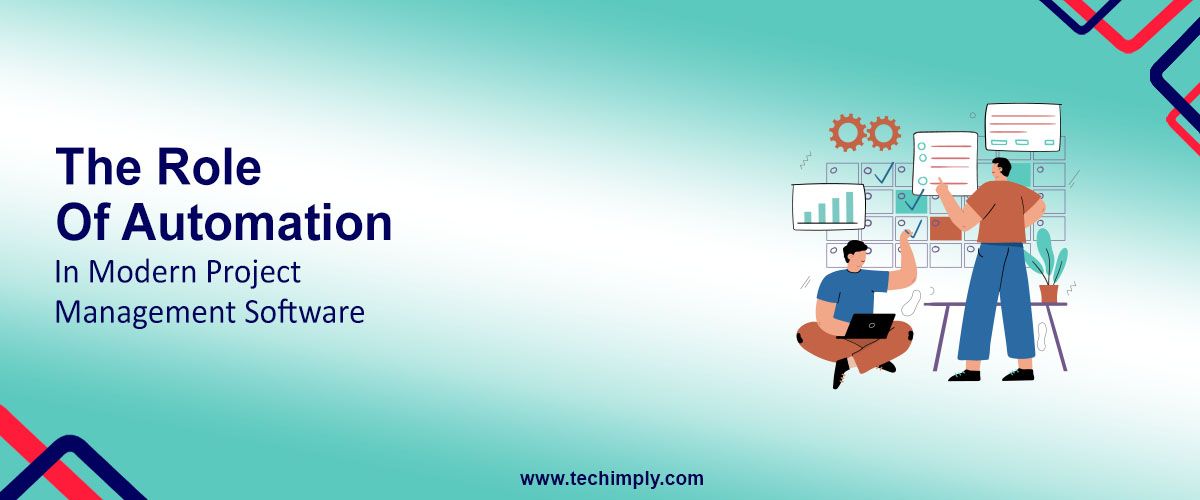
Project Management Software has evolved from a sequence of guide procedures to quite state-of-the-art, automatic systems that enable businesses to supply projects with extra performance, precision, and collaboration in the latest fast-paced, technology-driven world. Automation has emerged as a game changer inside the realm of undertaking management, enhancing the skills of current software gear and transforming how groups plan, execute, and screen their initiatives.
The name "The Role of Automation in Modern Project Management Software" talks about the crucial intersection of automation and task management and how modern tools are reshaping the way projects are managed in industries ranging from creation and IT to healthcare and advertising. In state-of-the-art fast-paced, aggressive international, automation is not a luxury; it's a need for corporations trying to live aggressively, enhance productivity, reduce errors, and streamline workflows.
As groups grapple with more and more complicated tasks, automation serves as a key enabler of efficiency and accuracy. Automated structures limit human errors by ensuring statistics consistency and permitting actual-time updates. This ensures that each one stakeholder has the right of entry to the maximum cutting-edge records, lowering the probabilities of miscommunication and delays. Additionally, automated workflows streamline repetitive tasks, allowing teams to allocate their time and sources extra strategically.
Another big benefit of automation is its capability to generate predictive insights. Advanced analytics powered via AI and device getting to know can forecast capacity risks and suggest mitigation techniques earlier than issues rise up. This predictive functionality facilitates mission managers to be proactive, improving general challenge results. Moreover, automated tools can combine seamlessly with different enterprise structures, creating a cohesive ecosystem that helps better choice-making and operational efficiency.
With the advent of AI-pushed equipment, LLM agents, cloud-based systems, and gadget mastering algorithms, assignment management software have taken a jump ahead. With automation, groups can now automate recurring responsibilities like scheduling, task undertaking, monitoring progress, and reporting, so the project managers can focus on excessive-level selection-making and strategic planning.
This article is going deep into how automation in cutting-edge challenge management tools isn't most effective simplifying duties but additionally using innovation and business transformation. From streamlining communication channels to enhancing useful resource allocation, automation
is certainly converting the future of task management, making it smarter, faster, and more adaptable than ever before
How Does Automation Help in Project Management?
Project management automation makes use of advanced technology to deal with task management responsibilities with little to no human involvement, mimicking the roles traditionally filled by project managers.Similarly, an LLM SEO Consultant applies AI-driven automation to streamline digital marketing and content optimization.
By integrating automation into project workflows, agencies can carry out repetitive, low-complexity tasks tons more quickly and accurately than if achieved manually. These tasks frequently encompass ordinary activities like scheduling, resource allocation, reputation updates, and reporting techniques that can be time-ingesting and prone to human blunders. Automation lets in group individuals to reclaim precious time, permitting them to concentrate on more strategic, high-value activities that require critical thinking, choice-making, and problem-solving, in the end improving productiveness and fostering innovation during the project lifecycle
Tools to Manage Automation in Project Management
Project management tasks can be automated to various levels, relying on the capabilities of the software being used and the person's or programmer's ability set and creativity. Modern task management structures offer a wide variety of automation features that streamline habitual workflows, lessen guide effort, and improve normal performance.
A fundamental example of challenge management automation is triggering automatic emails primarily based on predefined actions. For instance, while an undertaking is marked as whole in a project management tool, the machine can robotically ship a notification to relevant stakeholders. This eliminates the want for guide updates and ensures that team members are always in the loop.
Another commonplace instance includes computerized signals inside task management software, induced with the aid of precise situations defined by the consumer or predefined with the aid of the software itself. While customers may additionally regularly neglect these alerts or disregard them as mere notifications, even simple automation may be relatively impactful. Consider the case of an automatic alert for overdue or stalled duties.
Such automated systems do more than just notify; they often come with escalation protocols. For example, if a task remains overdue for a certain period, the software could automatically send additional reminders or escalate the issue to higher management. This ensures that critical tasks receive the attention they need without depending on individual memory or constant manual tracking. These incremental levels of intervention can significantly reduce the risk of important deadlines slipping through the cracks.
In addition to task status notifications, automation can also help in reallocating resources based on real-time data. For instance, if a task is delayed, the system may automatically suggest shifting available resources—whether team members or tools—onto that project to get it back on track. This dynamic adjustment helps ensure that projects stay on schedule without requiring constant oversight or manual decision-making. Automation not only detects issues but can also recommend and implement solutions, streamlining workflow and improving overall project efficiency.
Project management software can scan all energetic projects, flagging tasks which might be falling behind, and immediately notify the suitable group individuals or assignment managers all inside seconds. Without this automation, project leads might be confused with manually checking every task's status, a time-consuming system that would be neither as frequent nor as comprehensive.
Now, let's explore extra examples of the way project management automation can power efficiency and enhance task consequences.
How to Create Custom Email Marketing Campaigns for Better Engagement
Creating custom email marketing campaigns starts with understanding your audience. By segmenting your email listing based on customer conduct, preferences, and demographics, you could tailor content material that speaks without delay to every organization. Personalizing issue traces, offers, and recommendations based on beyond interactions guarantees your emails are applicable, using better open prices and engagement.
To maximize engagement, make certain your emails are optimized for each mobile and computer. With mobile use at the rise, responsive layout, clean CTAs, and concise messaging are essential for a seamless experience. Regularly test exclusive elements of your campaigns (like subject strains and content formats) the use of A/B testing to refine your approach and increase performance. This continuous optimization allows maintaining excessive engagement and enhancing conversions over the time.
Unlock the Power of Project Management Automation: 6 Benefits You Can’t Ignore
Automating project management tasks can streamline workflows and increase productivity, however if you’ve never explored automation, it would look like a complicated and daunting system. While it requires a preliminary investment of time and effort, the rewards are clear. Enterprises can gain insights for benefits of IT Project Management Software Services.
We’ve experienced the transformation firsthand and may optimistically say: It’s surely well worth the attempt. We’ll explore 6 key benefits of automating your project management tasks, from decreasing errors to improving team collaboration, and why this investment is essential for taking your project management to the next level.
1.How Automation Eliminates the Need for Creating Recurring Project Management Tasks
Automation in project management software eliminates the need to manually create routine tasks, saving time and reducing the risk of errors. By setting up automated workflows, tasks that want to be repeated together with reputation updates, weekly reviews, or routine check-ins are mechanically scheduled and assigned without any guide intervention. This not only increases efficiency but also guarantees consistency across projects. With automation coping with those repetitive tasks, project managers and groups can be aware of better-priority activities, leading to improved productivity and better undertaking results. Embrace automation to streamline your project management process and dispose of the hassle of making recurring tasks.
2.Boosting Productivity
Project management automation dramatically boosts productiveness through streamlining repetitive tasks and decreasing guide effort. With automated scheduling, task assignments, and standing updates, teams can recognize extra strategic paintings alternatively of getting slowed down via administrative responsibilities. This ends in quicker choice-making, progressed collaboration, and in the end, greater successful assignment outcomes. By embracing automation, companies can maximize efficiency and make sure smoother task execution.
3. Integrating Project Management Automation with Your Team's Tools
Project management automation seamlessly integrates with your team's existing tools, improving workflows without disrupting modern-day structures. Whether it's linking with communication systems like Slack, record-sharing gear like Google Drive, or CRM software, automation ensures that all your tech tools work together smoothly. This integration reduces guide data entry, gets rid of silos, and offers real-time updates, making collaboration extra green and making sure that everybody remains at the same page.
4.How Automation Reduces Communication Gaps in Project Management
Automation significantly reduces communication gaps in project management by ensuring that critical information is automatically shared with the right team members at the proper time. With automatic updates, task assignments, and indicators, every body remains informed without the need for regular manual communique. This facilitates prevent misunderstandings, missed cut-off dates, and delays due to outdated or unnoticed information. By streamlining conversation flows, automation fosters better collaboration, will increase transparency, and ensures that each one crew members are aligned for the duration of the project lifecycle.
5.Real-Time Reporting with Project Management Automation
Project management automation provides real-time reporting, presenting groups on the spot access to critical undertaking information and performance metrics. With automatic dashboards and stay updates, managers can track development, screen dangers, and verify resource allocation instantly, without anticipating guide updates. This empowers quicker choice-making, complements task visibility, and allows for quick route corrections if wished. By removing delays in facts reporting, automation guarantees teams live agile, responsive, and aligned for the duration of the undertaking lifecycle.
6.How Automation Reduces Busy Work for Your Team
Project management automation provides real-time reporting, presenting groups on the immediate access to critical undertaking information and performance metrics. With automatic dashboards and stay updates, managers can track development, screen dangers, and verify resource allocation instantly, without anticipating guide updates. This empowers quicker choice-making, complements task visibility, and allows for quick route corrections if wished. By removing delays in facts reporting, automation guarantees teams live agile, responsive, and aligned for the duration of the undertaking lifecycle.
Conclusion
In conclusion, automation is revolutionizing cutting-edge project management software with the aid of improving efficiency, reducing human mistakes, and streamlining administrative tasks. By automating repetitive techniques together with project scheduling, reporting, and compliance tracking, project teams can be aware of strategic selection-making and high-value activities, ultimately improving challenge outcomes. Automation additionally enables optimize assets, reduce costs, and ensure greater correct monitoring of timelines and budgets. As organizations preserve to adopt those technologies, the position of automation in undertaking management will become even more important, imparting a competitive area and permitting groups to execute projects extra efficiently in a more and more rapid-paced enterprise environment.