A lot of people in the business world use the terms "procurement" and "purchasing" as if they mean the same thing. When we talk about supply chains, these two terms are actually very different. If you understand the difference, your company can save money. Make smarter decisions. Purchasing software is pretty simple: it is about buying what you need now. You place an order, pay for it, and get the goods or services.
What is Procurement?
On the other hand, procurement is a much bigger process. It is about planning and making sure you have what you need to run your business. Procurement is the process of finding, buying, and managing the things your company needs. This process starts long before you actually buy something. You have to figure out what you need, find the suppliers, negotiate contracts, and make sure the suppliers do a good job.
Procurement is a long-term plan, not a quick purchase. It is about saving money over time, avoiding risks, and working with suppliers. The people in charge of purchasing software just handle the day-to-day transactions like placing orders and paying bills. The people in charge of procurement oversee the whole process from start to finish.
Procurement also involves setting rules and making sure everything is done correctly. This includes staying within budget, following the procedures, and obeying the law. This helps prevent waste, fraud, and other problems.
What is Purchasing?
Buying is the process of getting the things your firm needs. It starts when someone asks for something and concludes when they place their order and pay for it. The purpose of procurement is to receive what you need at the right time, in the appropriate volume, and for the right price.
The procurement department does things like approve requests, pick suppliers, make orders, keep track of deliveries, and pay invoices. The key aim is to acquire what you need on time, at a fair price, and in good condition.
Buying things is mostly about short-term goals, including acquiring what you need right now. It is not the same as procurement, which is the complete process of figuring out what you need and engaging with the provider over time. Buying is the act of getting something, whereas procurement is the full process.
Key Differences Between Procurement and Purchasing
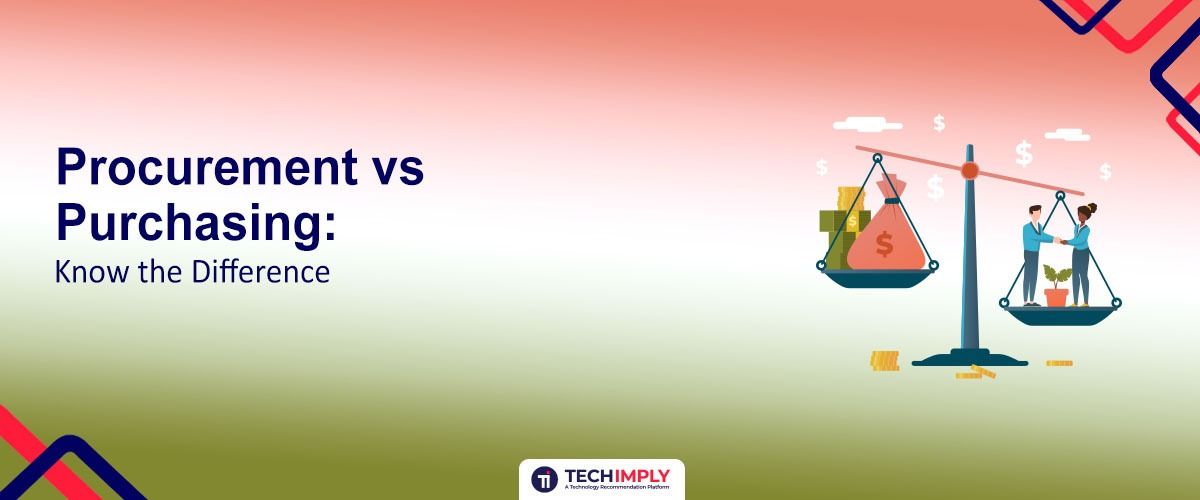
The main distinction between procurement and purchasing is that procurement is long-term and strategic, whereas purchasing is short-term and transactional. Procurement is the whole process of finding requirements, choosing suppliers, negotiating contracts, and keeping long-term connections. Buying is just one phase of the cycle; it includes placing orders, getting things, and making payments.
|
Aspect |
Procurement |
Purchasing |
|
Scope |
Broad, strategic: needs assessment, sourcing, contracts, risk management, supplier performance. |
Narrow, tactical: ordering, deliveries, invoicing, and payment processing. |
|
Focus |
Long‑term value, total cost of ownership, and supplier relationships. |
Short‑term execution, price, and on‑time delivery of a specific order. |
The procurement department makes decisions on policy, choosing suppliers, and managing contracts. The purchasing department, on the other hand, handles the day-to-day buying and transactions. Together, they make sure that the things the company buys are affordable, legal, and help the firm reach its goals.
Long‑term value, total cost of ownership, and supplier relationships.
Types of Purchasing
- Purchasing Department: A company's section in charge of purchasing products and services.
- Purchasing: is the process of acquiring products or services to fulfill organizational requirements.
- Procurement vs. Purchasing: The term "buy" is casual, but "purchase" is formal and frequently used in corporate settings.
- Procurement: The difference between procurement and purchasing is that procurement includes the whole process of finding, negotiating, and buying something, whereas purchasing only focuses on the actual transaction.
- Procurement Department: The methodical process of acquiring goods and services, which frequently includes contract management and supplier selection, is known as procurement.
- Purchasing Process: While purchasing is a smaller part focused on transactional operations, procurement includes sourcing and supplier relationships.
- Procurement Department: The portion of the company that is in charge of making sure that suppliers are of good quality and low cost.
- The buying cycle is the process of finding needs, finding goods or services, making an order, and getting them.
- After-Purchase Assessment: To make the definition better, include this part to get the most out of your purchases and make future cycles better, check the supplier's performance, the quality of the goods or services they provide, and the accuracy of the payments.
Why the Distinction Between Purchasing and Procurement Is Important
Purchasing and procurement differ mostly in strategy rather than transaction. Purchasing software focuses on making sure that each order is carried out correctly and on time, whereas procurement connects an organization's purchases to its larger business goals. This difference changes how each function works, who is engaged, and what makes it successful.
Each Function's Operational Mechanics
Getting anything starts long before you buy it. It comprises working out what the company needs, looking for suitable suppliers, calculating the risk, negotiating contracts, and setting performance standards. It doesn't just look at the initial cost; it also looks at the total cost of ownership, which includes things like quality, service, downtime, and long-term reliability. Usually, the procurement team works with the legal, financial, and commercial departments to come up with regulations, category strategies, and ways to deal with suppliers.
Once you find a provider and get approval for a demand, you may start buying. It makes sure that the invoice is paid on time, keeps track of deliveries, confirms receipt, and turns a request to buy into a buy order. The procurement department often puts a lot of emphasis on accuracy, efficiency, and following the law in order to make sure that the proper item is delivered to the right department at the agreed-upon price and time.
Implementing better Procurement and Purchasing
Although understanding the exact notion of procurement is simply the first step, a successful organization needs a strong plan for procurement. There is a substantial difference between sourcing and procurement, as well as their relative relationships to purchasing, even though people often confuse the terms. Sourcing is the process of locating and assessing vendors, whereas procurement is the complete strategic plan for buying goods, negotiating contracts, and keeping good relationships with suppliers. The purchasing department, on the other hand, simply buys and sells goods and services. Teams may make the procurement process more efficient by making sure it flows smoothly from figuring out what a company needs to ending the payment cycle.
-
Types of procurement
Companies frequently divide their spending into three categories: direct, indirect, and service-related purchases. While indirect purchasing includes regular running supplies like office equipment or software licensing, direct purchasing deals with the procurement of raw materials required for the creation of a final product. Hiring outside companies or providers to handle particular tasks is known as service procurement. Improving procurement and purchasing requires careful expense classification and modification of the purchase cycle for each unique category. Organizations may reduce operational costs, reduce supply chain risks, and eventually obtain better materials for their long-term development by clearly defining these processes.
How Does Software Help in the Context of Procurement and Purchasing?
Software is necessary for improving the procedures of buying and procuring things, especially in a market like India that is always changing and includes a lot of different types of businesses. One of its benefits is this:
1. Automation of processes
Procurement software makes things like placing accounts payable automation orders, getting in touch with vendors, and keeping track of invoices a lot easier. This saves time and makes fewer mistakes.
2. Administration of Vendors
It helps maintain track of a single vendor database, checks on their performance, and makes sure that procurement rules are followed. This is quite important in India, where businesses generally work with more than one supplier.
3. Economic Effectiveness
Procurement software helps firms find ways to save money, get better rates, and cut out superfluous costs by showing them how their spend management habits work.
4. Compliance with Rules
Following tax legislation, such as the GST, is very important in India. Procurement software lowers the danger of fines by making sure that all transactions follow local rules.
5. Increased Openness
The program gives you fast information on how to buy things, which makes it easier to choose vendors, set prices, and get approvals. This is how you keep trust and accountability.
6. Supervision of Inventory
For firms in India's fast-paced marketplaces, it works with inventory systems to keep stock levels at their best, which means they don't have too much or too little product.
7. Data-Based Empirical Decision-Making
Advanced analytics and reporting tools help businesses make wise decisions by looking at factors like how well suppliers are doing, how the market is doing, and how they buy products.
8. Expandability
As organizations grow, procurement software can change to handle more and more intricate transactions. This makes it a smart choice for India's fast-growing firms.
9. Supply Chain Integration
To make sure that buying, shipping, and inventory all go well, supply chain management systems and procurement software often operate together.
10. Better Cooperation
It makes the procurement process more efficient by making it easier for departments within the company and outside suppliers to talk to and work with each other.
In the Indian market, where there are many different suppliers, changing market circumstances, and regulatory hurdles, procurement software is a strategic instrument that may help boost productivity, save costs, and encourage growth.
Conclusion
Despite their frequent interchangeability, procurement and purchase have different functions in company operations. In order to achieve corporate objectives, procurement includes the more comprehensive strategic process of sourcing, negotiating, and managing supplier relationships. Purchasing, on the other hand, is all about the business aspect of acquiring things or services. Businesses that want to save money, make sure quality, and establish supply chains that last need to know this distinction. Companies may improve their efficiency and long-term profitability by making sure their buying and procurement strategies are in harmony.