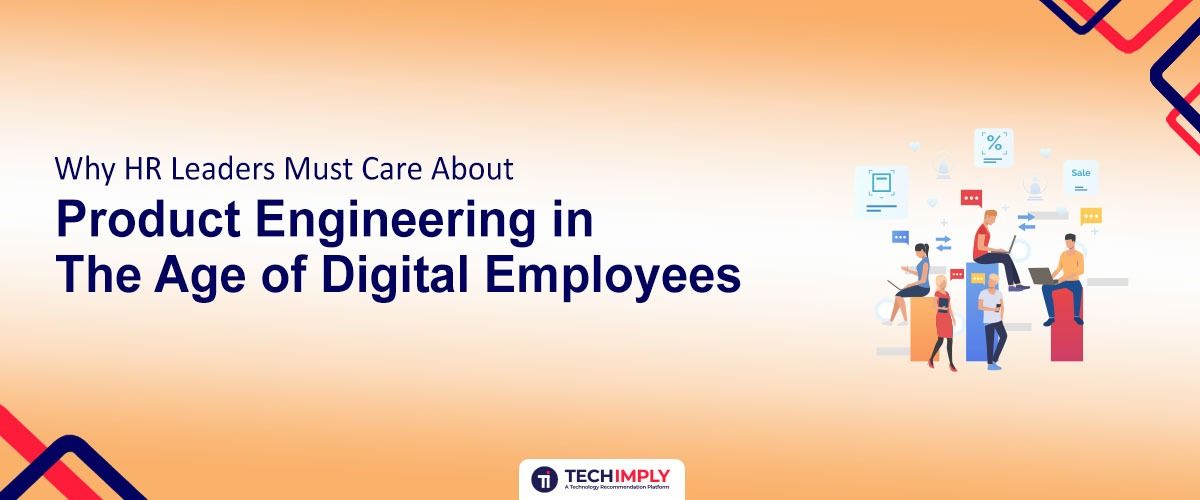
The meaning of an “employee” has changed. In 2026, every employee works inside a digital system. This system affects how they perform, how they feel, and whether they stay in the company.
Because of this, HR is no longer just about managing people. It is now about designing systems that help people work better.
HR Now Owns the Digital Employee Experience (DEX)
In the past, HR focused on hiring, policies, and surveys. Today, what matters most is the daily experience employees have with tools.
If employees face:
- Slow onboarding systems
- Too many disconnected tools
- Manual approval processes
Then, engagement programs will not fix the problem.
Bad tools create frustration. This is why Digital Employee Experience (DEX) is now a top priority for leadership teams. HR leaders must now work closely with IT and engineering. Together, they must build better internal systems.
The Shift from Process Thinking to Product Thinking
Traditional HR works on processes. Modern HR must think like a product team.
This means:
- Internal tools should feel like customer apps
- Employee journeys should be clearly designed
- Feedback should be continuous
- Product engineering helps make this shift possible.
Instead of fixed systems, companies now build flexible platforms. These platforms improve over time based on employee needs.
Quick Tip:
Before investing in new tools or platforms, run a 30-minute "shadow session" where HR and engineering leaders sit beside an actual employee and watch them complete a daily task without any guidance. No explaining. No helping. Just observing.
Employee Expectations Are Now Very High
Employees compare work tools with apps they use every day.
They expect:
- Simple and clean design
- Fast performance
- AI support
- Less manual work
If tools are slow or confusing, employees lose interest. They stop engaging fully with their work.
In fact, companies that invest in strong digital employee experience see up to 2.4x higher employee engagement and retention rates.
Product engineering services help fix this. They build tools that are easy, fast, and smart.
The Cost of Ignoring This Shift
If companies ignore this change, they face serious problems.
1. Hidden Productivity Loss
Employees waste time on poor systems. This loss is often not measured.
2. Higher Attrition
Top performers leave faster when tools slow them down.
3. Less Innovation
Employees spend time fixing issues instead of creating new ideas.
Globally, low engagement and poor workplace experience cost businesses nearly $8.9 trillion in lost productivity each year.
The CFO View: Why This Investment Matters
CFOs want clear business value.
DEX and product engineering can deliver that.
They help:
- Reduce cost per employee
- Increase revenue per employee
- Lower hiring and replacement costs
- Speed up onboarding
This is not a soft benefit. It directly impacts business results.
How to Start: A Practical CXO Playbook
Many leaders ask, “Where do we begin?”
Start small but think big.
- Identify 2–3 high-friction employee journeys
- Measure time lost and user frustration
- Redesign those journeys using product thinking
- Launch fast and improve based on feedback
- Do not try to fix everything at once. Focus on quick wins. Then scale.

Pro-tip
Start by mapping out your most critical employee journeys, like onboarding or performance management, and gather direct feedback. Use this insight to prototype small, impactful improvements with your product and engineering teams. Small wins today lead to a more resilient, engaged workforce tomorrow.
Build vs Buy: What Should CXOs Do?
Companies must decide how to build their internal systems.
There are two options:
- Buy tools: Quick to start, but often disconnected.
- Build platforms: More control, better fit, but needs investment.
The best approach is a mix:
- Buy for basic needs like payroll
- Build for experience and productivity tools
This gives both speed and long-term value.
Governance in the Age of AI
AI is now part of HR systems. This brings new risks.
Leaders must ensure:
- AI decisions are clear and explainable
- Employee data is used ethically
- Systems follow global laws
- Humans can override AI when needed
Trust is critical. Good product engineering builds systems that are safe and reliable.
Measuring Success: What CXOs Should Track
To make this work, leaders must track the right metrics.
Focus on:
- Time saved per employee
- Tool adoption rates
- Employee satisfaction with systems
- Reduction in support tickets
What gets measured gets improved. These metrics help prove ROI and guide future investments.
How People Analytics Strengthens the HR-Engineering Partnership
Data is now one of the most powerful tools HR leaders have. But data alone is not enough. It must be connected to action.
When HR and engineering teams work together, they can use people analytics to:
- Identify which tools are causing the most frustration
- Spot patterns in employee drop-off during onboarding
- Predict which teams are at risk of high turnover
- Track the real impact of new system changes in real time
This is not about surveillance. It is about understanding. When you know where employees struggle, you can fix it faster. Product engineering makes this possible by building systems that capture the right signals.
The companies that lead in this area do not guess. They build feedback loops directly into their tools. Every interaction becomes a data point. Every data point becomes an opportunity to improve.
For HR leaders, this means moving from annual engagement surveys to live dashboards. From reactive decisions to proactive ones. The shift is simple in concept. But it requires close collaboration between HR, data teams, and engineering.
Start by identifying your most critical employee touchpoints. Then ask your engineering team: are we capturing data here? If not, build it in. People analytics is not a reporting tool. It is a design tool. And when HR leaders use it that way, the results are real.
Why Internal Branding of HR Systems Matters More Than You Think
Most companies invest heavily in customer-facing product design. Very few invest the same energy in internal tools. This is a missed opportunity.
When employees open a clunky, outdated HR portal, they feel something. That feeling is not neutral. It sends a message about how much the company values their time.
On the other hand, when internal tools are well-designed and easy to use, employees notice that too. It builds trust. It signals that the company cares.
This is why internal branding of HR systems matters. Think about it this way:
- Your onboarding system is your first impression on a new hire
- Your performance review tool shapes how employees feel about growth
- Your leave management portal reflects how much you respect people's time
Each of these is a brand moment. Product engineering allows HR teams to design these moments intentionally. Not just for function, but for feeling. When employees enjoy using internal tools, they engage more. They complete tasks faster. They feel more connected to the company.
This does not require a massive budget. It requires the right mindset. Work with your product and engineering teams to audit your top five internal tools. Ask employees what frustrates them most. Then redesign with both usability and brand experience in mind.
HR as the Architect of the Future Workforce
HR is now designing the workplace of the future.
This includes:
- Smart onboarding systems
- Skill-based work platforms
- AI tools to support daily tasks
- Connected collaboration systems
All of this depends on strong product engineering.
Building a Future-Ready Workforce Through Intelligent Systems
As organizations look ahead, the role of HR will increasingly revolve around deploying intelligent, data-driven systems that facilitate skill development, collaboration, and innovation. By leveraging AI, workflow automation, and advanced analytics, HR can proactively address talent needs, personalize employee experiences, and foster a culture of continuous growth.
Creating a future-ready workforce isn't just about hiring the right talent; it's about equipping employees with the right tools and systems that adapt to evolving business demands. Investing in these intelligent systems ensures that organizations remain agile, competitive, and capable of navigating the rapid pace of digital transformation.
By adopting this mindset, HR can:
- Create Intuitive and Engaging Digital Environments: Making onboarding, performance reviews, and daily HR interactions feel effortless and satisfying.
- Enhance Employee Engagement and Retention: When employees feel supported by well-designed tools, they are more likely to be satisfied and stay committed.
- Drive Productivity and Innovation: Optimized systems reduce frustration and free up time for employees to focus on strategic work.
Do You Know?
Companies that prioritize the digital employee experience see up to 2.4 times higher engagement and retention rates compared to those that don’t.
The Real Competitive Advantage
Winning companies do more than hire good talent. They create better work environments.
They know:
- Talent is important
- But experience is more important
A great workforce is not just hired. It is built through smart systems.
Final Takeaway
HR leaders who invest in product engineering become key business drivers. They help the company grow faster.
Today, the question is not:
“How do we manage people?”
The real question is:
“How do we build systems that help people do their best work?”
That is the future. And product engineering makes it possible.