Customer Relationship Management (CRM) systems are vital for businesses to effectively manage customer interactions and improve their overall experience. By capturing and monitoring customer interactions through various channels like social media, email, and phone calls, businesses can respond quickly and provide personalized attention to customers. CRM software also promote collaboration and efficiency by offering a centralized platform for storing and sharing customer information across different teams. Moreover, companies and freelance marketers alike can acquire valuable knowledge and comprehension of customers' actions and inclinations, which can guide their marketing tactics and choices.
One such powerful tool is the WhatsApp CRM, which helps businesses manage customer interactions through WhatsApp. It centralized customer data, enhanced engagement, and improved collaboration between departments.
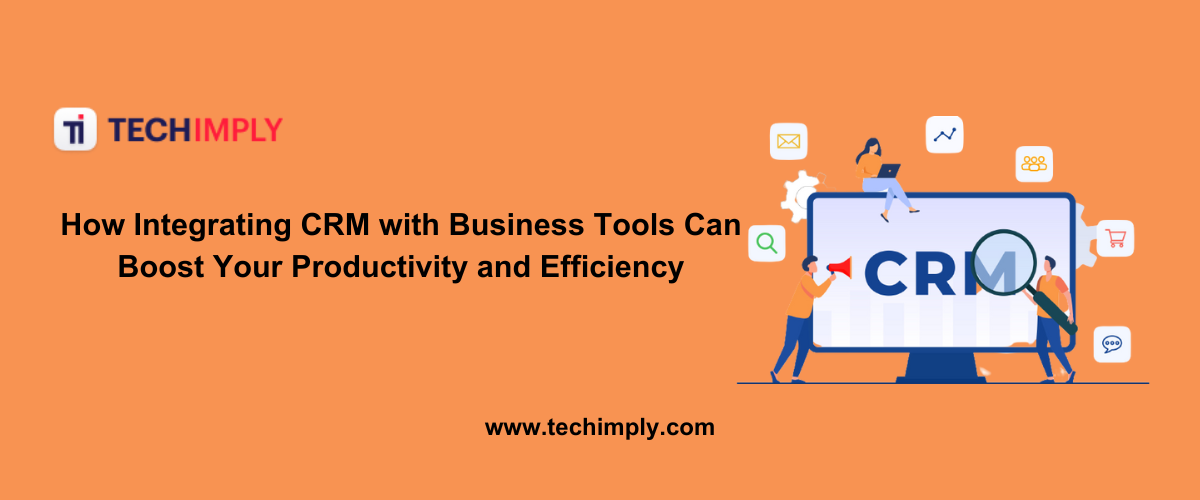
Integrating CRM with different business tools like marketing automation, accounting software, helpdesk and ticketing software, e-commerce platforms, and social networking platforms further improves efficiency and enhances customer experience. This integration helps businesses provide timely and personalized support, generate and nurture leads, manage finances, and improve social media presence, ultimately increasing sales and revenue.
How Integrating CRM with Business Tools Boosts Results?
Integrating Customer Relationship Management (CRM) software with business tools can provide many benefits, including increased sales, better inventory management system, and enhanced scalability. By streamlining workflows and providing greater customization and flexibility, businesses can improve their overall performance and customer satisfaction.
We will now dive deeper into understanding the benefits that businesses can obtain by integrating CRM with their business tools, with the help of examples to illustrate these benefits. For example, Custom Software Development Company firm may use a CRM such as Salesforce Development Services to manage customer relationships and a project management tool like Asana to manage tasks and timelines.
- Streamlining Workflows:
Integrating a CRM (Customer Relationship Management) system with business tools like email marketing software, sales automation, and project management can help to streamline workflows by automating repetitive operations, decreasing data entry, and giving a single repository for customer information.
For example, a software development firm may use a CRM such as Salesforce Development Services to manage customer relationships and a project management tool like Asana to manage tasks and timelines. This allows for streamlined workflow and communication, ensuring everyone is working towards the same goal.
Streamlining workflows can result in increased productivity, fewer errors and delays, better communication, faster reaction times, and higher customer satisfaction. Streamlining workflows saves time and resources that can be redirected towards strategic activities, leading to improved business performance and profitability through focused efforts on growth and innovation.
- Customization and Flexibility:
Integrating CRM with business tools allows for a customized and flexible solution. Combining CRM with tools such as marketing automation, sales forecasting, and project management enables efficient information flow, adaptability, and responsiveness to market conditions and customer needs. This leads to optimized operations and improved customer experience.
For example, to handle interactions with customers effectively, an online retail company can use CRM software like HubSpot. Moreover, they can also employ marketing automation tools like Marketo to design customized promotional initiatives. This allows for personalized and automated marketing efforts based on customer behavior and interests, improving customer engagement rate and driving sales.
Customization and flexibility offer numerous benefits, such as improved efficiency, greater adaptability, and enhanced customer satisfaction. Customized solutions tailored to specific business needs can optimize operations, reduce costs, and increase productivity. Flexibility allows businesses to adjust to changing market conditions, customer demands, and internal priorities, resulting in improved agility and responsiveness. Ultimately, these benefits lead to better customer experience and increased profitability.
- Better Inventory Management:
Integrating CRM with business tools can improve inventory management by providing real-time visibility into customer behavior and sales data. This enables businesses to forecast demand and adjust inventory levels accordingly, reducing excess stock and optimizing purchasing decisions to meet customer needs.
For example, a retail business uses CRM and inventory management tools by connecting its point-of-sale (POS) system with a CRM platform. This allows them to track customer purchases and behavior and use that data to forecast demand and adjust inventory levels accordingly. They can also set up automated reordering and replenishment processes based on inventory thresholds, improving overall efficiency and reducing the risk of stockouts.
Better inventory management results in improved cash flow, reduced inventory costs, increased customer satisfaction due to product availability, and improved overall efficiency. It facilitates businesses to make informed purchasing decisions, reduce waste, and optimize warehouse space, ultimately leading to increased profitability and a competitive advantage over others in the market.
- Increased Data Security:
Integrating CRM with business tools creates a centralized platform for data management, reducing data silos and human error, improving data governance, and applying consistent data protection measures. As a result, there are fewer chances for breaches and vulnerabilities, which improves data security.
For example, integration of a CRM system with a data encryption tool to protect customer data. This ensures that all customer information is encrypted before being stored, transmitted or processed. Access controls can also be set to limit access to sensitive data, ensuring that only authorized workers can view or edit it.
Increased data security delivers numerous benefits, such as safeguarding sensitive information from unauthorized access, reducing the potential risks and expenses of data breaches, fostering customer trust and loyalty, meeting legal and regulatory obligations, and enhancing overall business reputation and credibility, ultimately resulting in greater success and profitability.
- Better Customer Segmentation:
Integrating CRM with business tools such as email marketing and social media platforms can provide additional data points for customer behavior and preferences. This can allow for more accurate and granular customer segmentation, enabling businesses to better tailor their messaging and offerings to specific groups of customers.
For example, an company that offers cosmetics can monitor client behavior across their website, social media platforms, and email marketing campaigns by using CRM and analytics technologies. By analyzing this data, they may find that a certain segment of their customers are interested in natural and organic products. They can then tailor their marketing campaigns to this specific group, offering promotions and content that highlight their natural and organic products. This personalized approach can help increase customer loyalty and drive sales.
Better customer segmentation can provide numerous benefits such as targeted marketing, improved customer engagement, increased customer loyalty, higher conversion rates, and greater customer satisfaction. By understanding the needs and preferences of specific customer segments, businesses can deliver personalized experiences and offerings that meet their unique requirements, resulting in a more successful and profitable customer relationship.
- Increased Sales and Revenue:
Integrating CRM with other business tools can significantly boost sales and revenue. By streamlining sales processes, improving customer engagement, providing valuable insights into customer behavior, and improving collaboration among teams, businesses can increase customer loyalty and drive revenue growth.
For example, a company selling software products can integrate ZoomInfo with HubSpot CRM to access a database of company and contact information, prioritize outreach efforts, and personalize messaging. Using CRM features alongside a sales tool like SalesLoft can track and analyze outreach efforts, automate follow-ups and improve sales revenue.
Increased sales and revenue provide financial stability, growth resources, and better customer experience. It also enhances brand reputation, negotiating power, shareholder value, and attracts top talent, which can help achieve strategic goals and ensure long-term success.
- Enhanced Scalability:
Integrating CRM with business tools automates repetitive tasks, saving time and resources while allowing insights into customer behavior. It also improves coordination across teams and departments, enhancing scalability and efficiency as businesses grow and expand.
For example, Airbnb uses a CRM system to manage interactions with hosts and guests, providing personalized recommendations and improving customer satisfaction. Growth tools such as email marketing and social media advertising are used to promote their platform, while analytics tools monitor user behavior to make data-driven decisions for product and marketing improvements.
Enhanced scalability benefits businesses by allowing them to expand operations, accommodate growth in demand, and increase revenue. It minimizes expenses related to overstaffing or underutilizing resources, helps the company to enter new markets, and responds swiftly to market changes, giving them a competitive advantage.
Conclusion
In conclusion, integrating Customer Relationship Management (CRM) software with other technologies in a company has many benefits. It can boost productivity, enhance customer experience, promote better collaboration, and provide improved analytics. Businesses can streamline procedures, work more efficiently, and get insights into consumer behavior and preferences by automating tasks, having a 360-degree perspective of client interactions, and collecting and analyzing data. By personalizing customer interactions, tracking behavior, and automating marketing campaigns, businesses can increase efficiency and revenue.
Furthermore, leveraging technology to improve business operations has become crucial in today's digital age. Businesses can maintain their competitiveness and promptly adapt to evolving market trends and customer demands by utilizing appropriate tools and systems. However, it is essential to implement technology strategically to address specific business needs and not view it as a silver bullet.