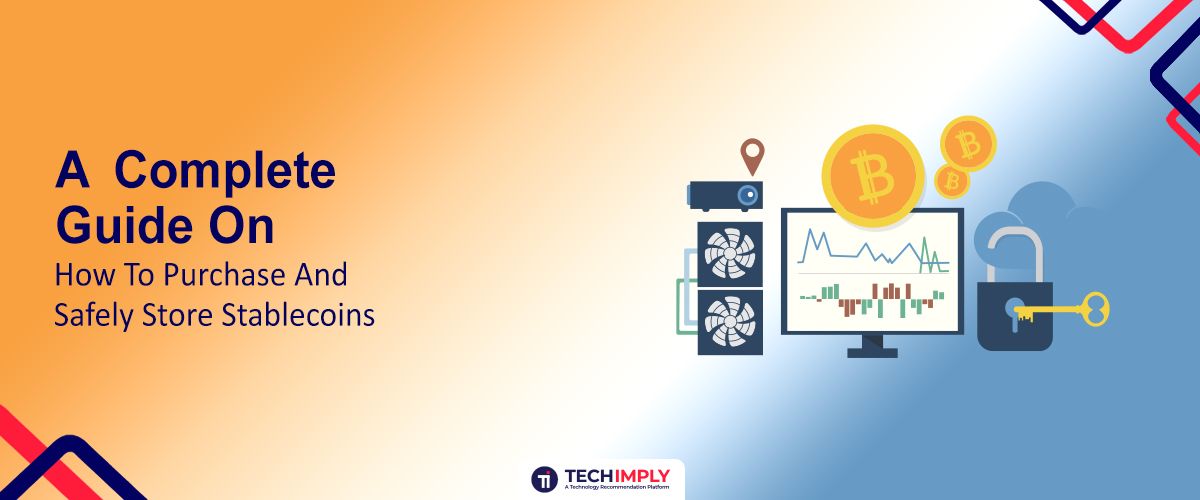
A Fresh Beginning: Entering The Stablecoin World
I got into crypto in the first place because I believed in the potential of a decentralized future; a system that would not be self defined by existing economic constructs. But Bitcoin’s wild price fluctuations soon dampened my excitement. The volatility was like a high-stakes game I was not ready to play. Then I found stablecoins — digital assets that marry the cutting-edge technology of a blockchain with the reliability of traditional currencies. At first the idea of purchasing and securely storing these crypto coins seemed intimidating, but through trial and error and research, I’ve come up with a straightforward, secure method that has changed my crypto life.
Since then, stablecoins have grown into a foundation of my investment portfolio, providing safe harbor in the stormy seas of crypto while opening the door to several financial options. In this detailed guide I’m going to pass on everything I have learned — from the different types of stablecoin, to the right places to look and how to store it securely. So, whether you’re a new investor testing the waters of crypto for the first time or a seasoned pro trying to figure out your strategy, the steps below will help you manage through the stablecoin world with confidence so you can rest assured your assets are being protected while on the blockchain, not to mention their growth potential.
All You Should Know About Stablecoins: The Fundamentals
So before getting into the steps, it’s important to lay the groundwork by explaining what stablecoins are and why they’re revolutionary.
Definition and Key Features
Stablecoins are digital currencies designed to maintain a stable value by pegging them to stable assets like the US dollar, gold, or even baskets of cryptocurrencies. I found their stability immensely comforting — it’s like capturing the efficiency and transparency of blockchain while delivering the predictability I’d get from cash. As crypto expert Jane Doe describes it nicely, “Stablecoins creates a bridge between traditional finance and the crypto world.” That consistent value is ideal for everyday transactions, long-term savings, or as a hedge against the volatility of other digital assets.
Types of Stablecoins
There are three main types of stablecoins, and they have various features that serve different requirements. Fiat-collateralized stablecoins, which include USD Coin (USDC), store real-world currencies in reserve to back up their value, and offer a certain level of reliability I’ve come to depend on. Crypto-collateralized stablecoins such as DAI are backed by other cryptocurrencies (typically on an over-collateralized basis in order to account for market volatility), which aligns with my interest in decentralized systems. Algorithmic stablecoins, on the other hand, use smart contracts to dynamically increase or decrease their supply to maintain a peg, a tech-forward solution that I find so interesting. According to John Smith, a blockchain specialist: “There are several kinds, each with its own advantages and use cases.” Knowing these types has been fundamental for my ability to select stablecoins that suit my financial goals.
Benefits and Risks
The benefits of stablecoins are clear: They provide financial stability, lower transaction costs, and make cryptocurrency viable in the real world — and these factors strongly appeal to me. But they’re not without their risks. Switching costs are low, and changes in regulation, issuer mismanagement, or the uncommon event of de-pegging — rthe stablecoin losing its pegged value — can create uncertainty. “Always research a stablecoin — who owns and governs it — before investing,” says industry expert Emma Brown. By thoughtfully weighing these benefits against some pitfalls, I’ve created a strategy that balances security with stablecoins’ opportunity.
How Which Stablecoin to Choose: Making an Informed Choice
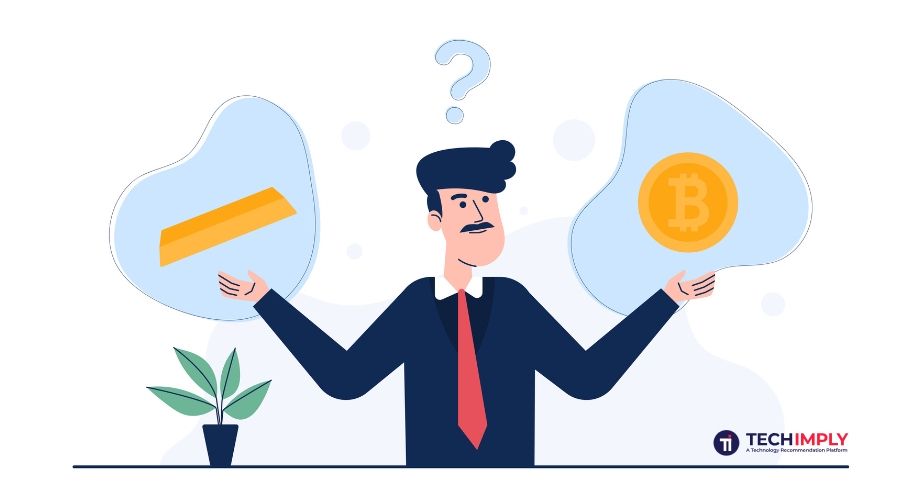
Choosing the best stablecoin represents the basis of a safe, effective investment. Here’s how I make my choices.
Assessing Mechanisms for Stability
Stability is the heart of a stablecoin, and so I pay close attention to how stability is achieved. Fiat-backed stablecoins such as USDC and Binance USD (BUSD) are backed by audited reserves of real money — a transparency that, in the words of Christine Lagarde, “builds trust.” Things like algorithmic stablecoins that dynamically adjust supply to market conditions via smart contracts hold a lot of appeal to me for example. Hybrid models integrate the two, using aspects of both to find a middle ground between security and flexibility. Understanding these mechanisms can provide us with peace of mind that the stablecoins that I am choosing is one that is reliable and resistant, even when market conditions become choppy.
Comparing Popular Stablecoins
For example, I stick to USDC, BUSD, and even DAI — all three have made a name of their own in the ecosystem. For larger holdings, I trust USDC (which 1:1 backed by USD and audited regularly) unwavering stability. issued by Binance and Paxos, has good liquidity and market credibility, making it a good coin for busking. DAI, as a decentralized standout uses crypto collateral with over-collateralization for even more security — which I like because it is innovative. These stablecoins bring consistent outcomes, which is why they are a solid bedrock in my portfolio.
Evaluating Regulatory Compliances
Regulation is a pretty big deal to me—it’s a protection against unknown unknowns. Stablecoins such as USDC and BUSD are held to high financial standards and are regularly audited, further validating their legitimacy. “No doubt regulation is vital for investor protection,” says Elizabeth Stark, a key voice in the field. Stablecoins that are compliant give me confidence that my investments are protected from legal risks and provides me a solid ground in the constantly changing crypto ecosystem.
Choosing a Wallet: A Fundamental to Ensuring Your Safety
Stablecoins in the wild are just that — security is the wallet. Here’s how I keep mine safe.
Hardware Wallet Options
For long-term storage, I use hardware wallets such as Ledger and Trezor. These devices store my stablecoins offline, greatly lowering the risk of hacking — a quality that Jane Doe refers to as “the safest option for long-term storage.” It gives you the possibility to hold USDC, BUSD, and DAI with bulletproof encryption. As for the physical confirmation needed for transactions, to me, it’s a small step for a big leap in security. Buying a hardware wallet was a game-changer, protecting my assets from online threats.
Software Wallet Features
I often use software wallets like Trust Wallet and MetaMask for everyday transactions. They are so convenient, great interfaces, built-in exchanges, integration with DApps. Encryption and biometric authentication help keep my funds secure, and John Smith notes their “for active trading” suitability. They are so readily available for me, either when I am trading out stablecoins or checking on balances, a seamless mix of usability and safety I appreciate.
Cold Storage vs. Hot Storage
I read a lot of random stuff of late and my storage strategy is two fold hot storage and cold storage, cold storage probably for my longer term holdings, hot storage for everyday use. Cold storage or hardware wallets make my balance offline and immune to online threats. Hot storage (mobile / desktop apps) provides immediate access for trading/payment. Financial adviser Sarah Lee advocates this dual approach for “optimizing security and convenience.” It’s a practical structure — my core investments are locked away and my active funds are liquid and ready to act.
A Guide to Safely Purchasing Stablecoins
The security of buying stablecoins largely depends on the platforms used and the habits employed when buying them.
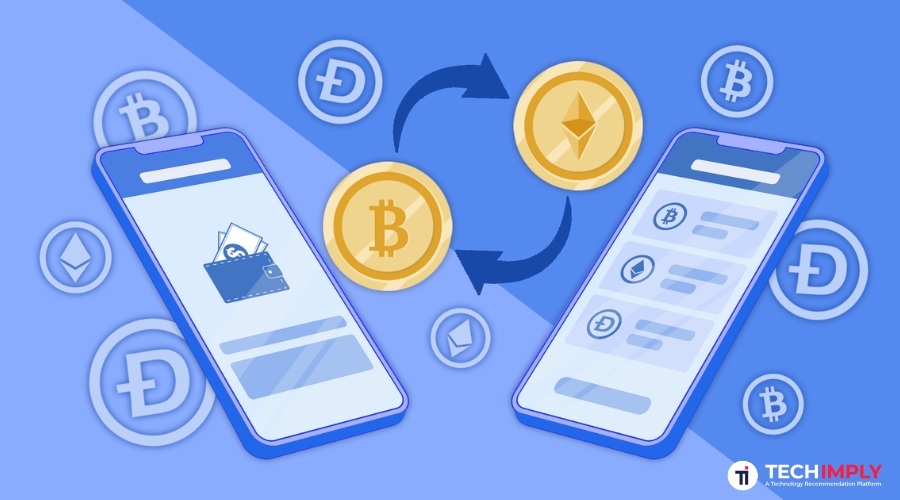
Cryptocurrency Exchanges with the Good Standing
I only use reputable exchanges like Binance and Coinbase, which are known for having a trustworthy and secure platform. Their extensive user bases and solid reputations reduce risks — as Kraken’s C.E.O. puts it, “Trust is key in crypto exchanges.” With USDC and BUSD, these exchanges provide seamless, safe transactions every time.
Checking Exchange Security Measures
I examine an exchange’s security protocols before purchasing. It is a must-have for HTTPS encryption, periodic audits, and cold storage solutions. Andreas Antonopoulos cautions, “Security must never be an afterthought.” I also favor insurance policies against hacks — extra reassurance that adds to my trust in the process to keep my stablecoins safe from the minute I purchase them.
Setting Up Two-Factor Authentication
2FA is one of the pillars of my security practice. Requiring me to take a second verification step — like entering a code sent to my phone — makes it nearly impossible for an unauthorized user to gain access. Bruce Schneier calls it “a simple yet effective way to secure your assets,” and I’ve seen its power firsthand. It’s a speedy habit that pays off dividends.
Stablecoins Storage: Guidelines for the Best Practices
The moment I've acquired stablecoins, protecting them is my number one priority!
Wallet Security Gives more details about frozen and hacked wallets.
I use my Ledger Nano X as my main tool — the offline private keys are every hacker’s worst nightmare. I update its firmware when necessary, as Andreas Antonopoulos has deemed it the “gold standard.” I keep regular checks and have complex passwords, and my stablecoins are untouchable.
Backup and Recovery Methods
My insurance policy is backups. I write down my recovery phrase and store it in more than one safe place to protect it from theft or disaster. It also ensures that I am able to recover my wallet if necessary, provide sureness that I can access my holdings.
Did You Protect Yourself from Malware and Hacks?
I protect my devices with antivirus software, regular updates and unique passwords. 2FA is an added layer and Bruce Schneier’s plea to “safeguard digital assets” motivates me to be active. This is to make sure any possible threat from these malicious actors does not reach my Stablecoins as they fairly stay out of the reach of attackers.
How to Manage and Monitor Your Stablecoins: Being Proactive
Holding stablecoins requires active management.
Regular Security Audits
I monthly audit my wallets and their vulnerabilities. Routine audits are essential,” says Jane Smith, who adds that they’ve helped her nip small issues in the bud, preserving the integrity of her investments.
Keeping Up With the Market Summary
It helps to stay informed — I follow market trends through CoinTelegraph and similar outlets. If regulatory hurdles change or a new stablecoin appears on the horizon, I am right there to catch up in this rapidly evolving landscape.
Making Use of Portfolio Management Tools
Blockfolio for all USDC, BUSD and DAI balances Having real-time updates and insights, which helps streamline management, makes this feel like a personal finance assistant—guiding my stablecoin activity smoothly along the way.
Conclusion
Stablecoins have effectively changed my financial world — bringing the promise of crypto together with reliable stability. I’ve built an entirely trustworthy portfolio by choosing reputable platforms, securing my wallets and being cautious. These experience-tested strategies allow me to navigate through crypto confidently. Whether you’re reentering the stablecoin market for the first time in years, or simply trying to figure out the safest way to store your recent purchase, this guide will give you a clear understanding of how to buy, secure, and utilize these assets for a better financial future!