There's a major shift happening in the web building space right now. Did you notice it?
Businesses and agencies are switching from “big names” to something lighter, faster, and more dependable. We are talking about the Breakdance builder.
People don't want to chase trends anymore. They want websites that actually perform, load quickly, and don't fall apart after every update. Think about yourself, as a business, what do you want? Do you want to put all your effort and time into growing your business or constantly patching the website and finding answers for broken page structure?
In this blog, we've discussed why this shift is happening and why even seasoned developers are making the switch.
The Shift in How Agencies Build Websites
For years, the focus was on convenience. Builders promised “drag and drop simplicity,” and they delivered (sort of). But behind that simplicity came clutter: dozens of add-ons, plugin conflicts, and sites that looked great but ran like they were stuck in quicksand.
Agencies have grown tired of that. They don’t want to patch issues after every client handoff. They want stable, efficient tools that scale well when their business grows.
Here comes the Breakdance builder, a rethinking of what a website builder should be. Aimed for performance-first, logically structured, and less dependent on external plugins.
When you run a small web agency, every hour saved on setup, maintenance, or debugging is real profit. The teams that understand this move away from bloated ecosystems and toward something cleaner.
Why Developers are Paying Attention
Developers used to stay away from page builders altogether. The reason was messy code, slow performance, and zero control.
But the Breakdance page builder changes that perception.
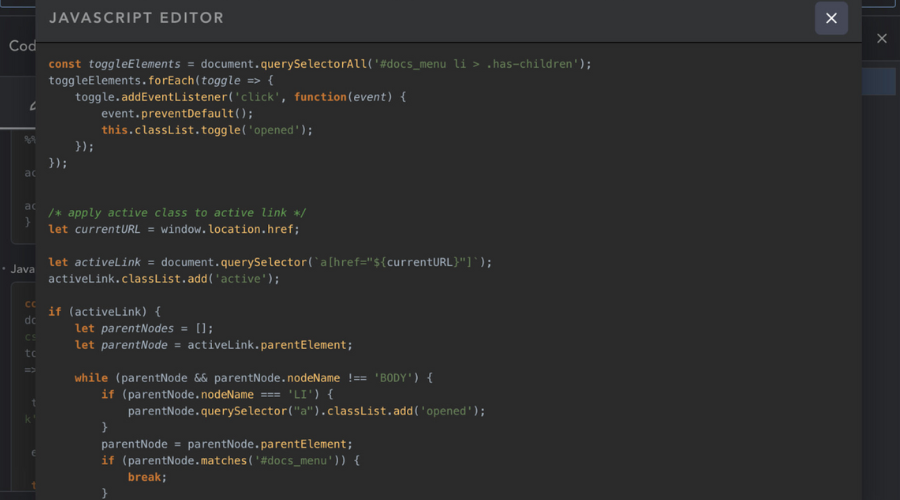
Its code output is lean and readable. No nested chaos or unnecessary wrappers. Developers can finally work within a builder without feeling boxed in. You can add custom CSS, control spacing with precision, and build responsive designs that actually behave the way you intended.
What makes it even better is the builder’s mindset: it doesn’t assume you’re a beginner. It gives power users the tools they need without hiding them behind pretty buttons.
The mix of freedom and structure is what’s drawing serious professionals back into the visual builder conversation.
Breakdance’s Architectural Advantage
What makes Breakdance apart is that it is built on a modern, lightweight architecture. It’s not dragging legacy frameworks from 2015.
The rendering process is efficient, the DOM structure is slim, and every line of code serves a purpose.
This architectural difference is important because it directly affects load time, SEO, and even how long a visitor stays on your page. Old-school builders tend to pile on scripts for every animation or component. Breakdance doesn’t. It loads what’s needed, when it’s needed.
That’s why developers who obsess over clean markup are calling it “the first visual builder that doesn’t fight me.”
If you’ve ever tried to optimize a slow Elementor or Divi site, you already know what we are talking about.
The Unified Workflow Concept
Most web projects involve juggling plugins: a form plugin, a pop-up plugin, a menu plugin, a conditional display plugin, and so on.
Each one adds load time, increases the chance of conflicts, and makes maintenance a nightmare.
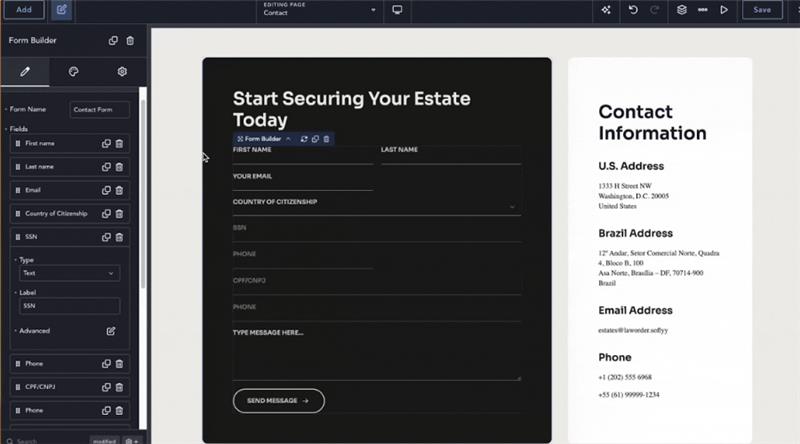
Breakdance consolidates all of that into one clean environment. You can build forms, apply animations, control responsive grids, and set up conditional visibility, all within the same workflow.
No extra plugin hunting or messy plugin updates that break layouts.
This all-in-one approach changes how agencies plan projects. They can quote tighter deadlines, reduce dependency lists, and maintain consistency between designers and developers.
It’s not that Breakdance does “everything.” It does the important things, the ones that affect day-to-day development speed and reliability.
Performance As a Default, Not a Feature
You can’t sell slow websites anymore. Everyone knows how to check page speed scores, and clients care.
Breakdance builder doesn’t need a long optimization checklist to pass Core Web Vitals. It’s built to perform.
Script management is smarter, lazy loading is baked in, and asset control is transparent.
You don’t waste time stripping out unnecessary scripts because they never existed in the first place.
Real Control Over Design Systems
One of the most underrated parts of Breakdance is its design system.
You can create global classes, color tokens, typography scales, and spacing systems that flow consistently across the entire site.
This is a massive win for agencies handling multiple client projects. You can duplicate systems, tweak the brand palette, and maintain design harmony without redoing everything.
When a client calls six months later asking for a color change across 40 pages, it’s not an afternoon killer anymore. It’s five minutes of work.
Such small and practical improvements make a builder stand out.
Dynamic Data Made Simpler.
Dynamic websites used to mean wrestling with ACF fields, template files, and half-documented loops. Breakdance makes this much easier without losing flexibility.
You can pull dynamic data from ACF, Meta Box, or Pods, preview it live, and use conditional logic visually. No need to jump between the code editor and builder every few minutes.
It’s especially useful for content-heavy sites like directories or educational portals, where the data layout needs to change based on user conditions.
The simplicity doesn’t take away depth. It removes the friction between your content structure and your front-end design.
The Pricing Philosophy That Makes Sense
Most builders play the pricing game, cheap at first, then restrictive when you grow. Breakdance’s pricing is refreshingly straightforward.
One license. Unlimited sites. That’s it.
For agencies managing multiple clients, this makes financial and operational sense. You don’t have to track which client is using which license.
Plugin Fatigue and the All-In-One Shift
There’s a growing exhaustion among professionals, not because of design work, but because of constant plugin maintenance.
Every plugin is another potential security risk, another update conflict waiting to happen.
Breakdance addresses that by reducing dependency on third-party extensions. You get native solutions for the most common needs: sliders, menus, dynamic logic, forms, popups, and layouts.
Which means fewer moving parts, faster testing cycles, and less time explaining “why something broke” to clients.
Breakdance’s Role in the No-Code to Pro-Code Bridge
What’s interesting about Breakdance is how it balances between non-developers and advanced users.
You can build a full website visually, but still have full access to custom code blocks and CSS control.
This flexibility lets teams collaborate better. Designers can handle layout and styling, while developers refine functionality, all inside the same builder, without stepping on each other’s toes.
This makes Breakdance a rare bridge between the no-code and pro-code worlds. It’s not dumbing things down; it’s making powerful features accessible without complexity.
When you’re managing a mixed-skill team, that’s gold.
The Useful Support Ecosystem
Breakdance has active support communities on various platforms. And they are helpful.
The documentation is detailed, but the user group and direct support are where it shines.
The team behind it communicates clearly, posts transparent changelogs, and listens to user feedback. It's a big reason businesses trust it and agencies use it for client work, as they know it won't vanish or pivot overnight.
The feedback loop between users and developers feels tight, like how software development should be in 2025.
Future-Ready Development Mindset
Breakdance is not catching up with previous builders. It is built with a modern web in mind.
It aligns with CSS variables, Figma workflow imports, and modular design logic.
This makes it adaptable for future updates, unlike builders still running on legacy structures.
If you’ve ever faced a complete rebuild just because a theme framework went obsolete, you’ll appreciate this foresight.
Why Switching Feels Worth the Effort
No one likes switching tools. It costs time, focus, and comfort. But the teams making the move to Breakdance know they aren’t chasing hype, they’re escaping technical debt.
The learning curve is shorter than most expect. Once you get past the layout interface, the workflow feels natural.
What you gain is long-term stability. Fewer updates to fear, fewer plugins to audit, and far fewer headaches.
If your team's day is often spent fixing “builder issues,” the change feels less like a switch and more like a reset.
Conclusion
Most builders today feel heavy. Too many plugins, too much fixing, not enough building. The Breakdance builder solved that problem without shouting about it. It’s fast, simple, and built for people who actually work with websites every day.
Developers like it because the code it produces is readable and doesn’t slow down websites. Agencies like it because it reduces the number of plugins they need to manage. Everything from forms to animations can be built inside one workspace, which means fewer conflicts and easier maintenance.
What stands out is how balanced it feels. You can design freely, still write your own CSS, and not worry about performance. It’s structured, but not restrictive. The workflow feels almost calm compared to the usual builder noise.
There’s no marketing trick behind its growth. It’s just a tool that respects your time. That’s why more professionals are switching to it, not to follow a trend, but to escape clutter.
Breakdance doesn’t promise magic; it just works the way web building should have worked all along.