As healthcare continues its digital transformation, Electronic Health Record (EHR) systems have become more than just digital charts—they're the backbone of modern medical practice. From improving patient outcomes to streamlining billing, EHRs now play a pivotal role in how providers deliver care, communicate, and grow their businesses.
But with hundreds of options available, selecting the right software has never been more complicated. A poorly matched EHR can frustrate your team, drain resources, and even impact clinical quality. On the other hand, the right platform can enhance efficiency, improve coordination, and help your practice thrive.
Whether you're launching a new clinic or replacing outdated systems, understanding what to look for in an EHR is a strategic decision—not just a technical one. In this guide, we’ll explore key features, avoidable pitfalls, and the most important questions to ask—so you can make a choice that supports your workflows, aligns with your goals, and scales as you grow.
What Is EHR Software?
Electronic Health Record (EHR) software is a digital system used by healthcare providers to store, manage, and track patient health information in real time. While early versions of EHRs were little more than digital chart folders, today’s systems are powerful platforms that integrate clinical, administrative, and billing functions all in one place.
At its core, EHR software provides secure access to a patient’s complete medical history—including diagnoses, lab results, imaging, allergies, medications, and treatment plans. But the most effective systems go far beyond that.
Modern EHRs are designed to support the entire care journey—from scheduling and intake, to clinical documentation and e-prescribing, all the way through billing and compliance reporting. They also play a key role in how practices manage their business operations, streamline workflows, and meet evolving regulatory requirements.
Here are a few key capabilities that define a modern EHR:
-
Clinical decision support to enhance diagnostic accuracy and treatment planning
-
Patient portals that allow individuals to access their records, message providers, and manage appointments
-
Integrated billing and claims management for faster reimbursements and fewer denials
-
Real-time analytics and dashboards to track performance and support data-driven decisions
-
Interoperability tools that enable smooth data exchange with labs, hospitals, pharmacies, and other care providers
In short, an EHR system has evolved into the digital nervous system of a practice. It doesn’t just hold information—it helps move care forward, improve coordination, and support the business side of medicine.
Why Choosing the Right EHR Matters?
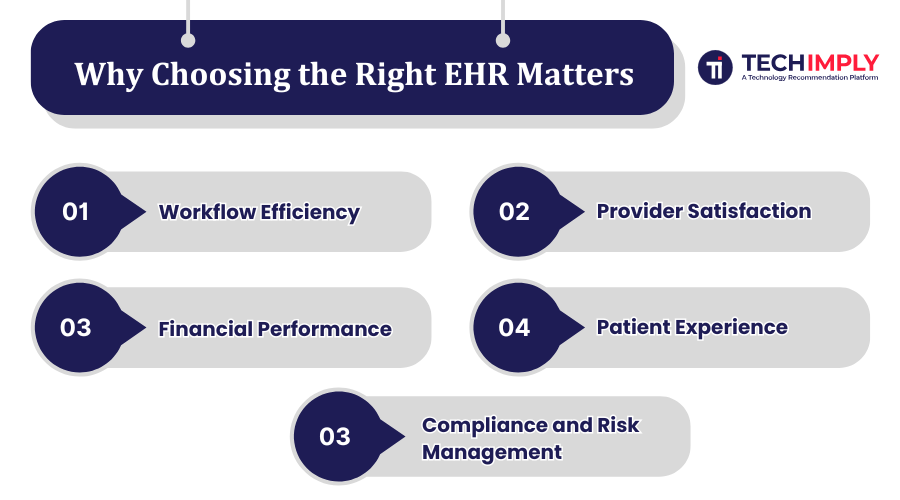
The EHR you choose isn't just another piece of software—it becomes the central nervous system of your entire practice. From the moment a patient schedules an appointment to the final billing and follow-up, your EHR touches every part of that journey.
A well-implemented system can streamline operations, reduce documentation errors, and empower your team to focus more on patients and less on administrative tasks. A poorly chosen one, however, can lead to daily frustrations, communication breakdowns, and revenue bottlenecks.
Here’s why this decision carries long-term impact:
1. Workflow Efficiency
An intuitive EHR reduces time spent clicking through menus or searching for information. It aligns with your team’s existing workflows and helps everyone move faster—from intake to diagnosis to discharge.
2. Provider Satisfaction
Doctors and nurses are already under pressure. A clunky EHR adds to burnout, while a well-designed one improves satisfaction by simplifying documentation and supporting clinical decision-making.
3. Financial Performance
Billing, coding, and physician billing services are deeply connected to your EHR. The right system helps reduce denials, improve cash flow, and eliminate costly manual processes.
4. Patient Experience
Patients notice when your technology works. Faster check-ins, easier access to records, and better communication all contribute to a more professional, responsive experience.
5. Compliance and Risk Management
EHRs are instrumental in meeting HIPAA requirements, documenting care properly, and staying compliant with federal and state mandates. The right system protects both your patients and your practice.
The bottom line? Choosing the right EHR is about more than features—it’s about fit. Your EHR should align with your specialty, support your team, and help your practice deliver care more confidently and efficiently every day.
The Shift Toward Value-Based Care
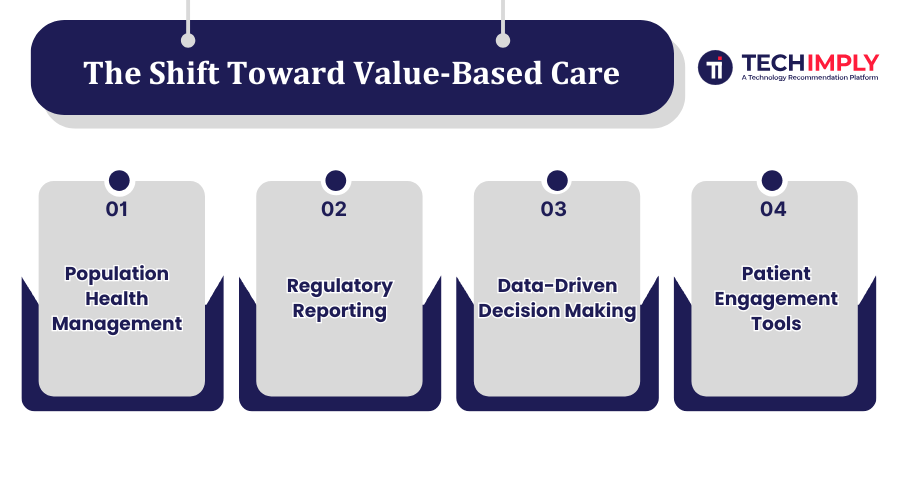
The landscape of healthcare delivery is shifting rapidly, and your HR Software Companies must evolve alongside it. As value-based care continues to gain momentum in 2025, practices are no longer rewarded solely for the number of services delivered—they're being evaluated on the quality of outcomes, efficiency of care, and patient satisfaction.
This shift demands more than clinical expertise. It requires data transparency, smart reporting tools, and proactive patient engagement—elements that only a truly modern EHR system can provide.
Here’s how the right EHR helps your practice succeed in a value-based care environment:
-
Population Health Management
Advanced EHRs go beyond individual patient records—they help identify at-risk patient cohorts, track chronic disease trends, and flag overdue preventive screenings. This enables your care team to deliver proactive, personalized care that improves outcomes while reducing avoidable costs.
-
Regulatory Reporting
Whether you participate in MIPS, MACRA, or other quality initiatives, your EHR must simplify compliance. Automated data capture and ready-to-submit reports eliminate the need for tedious manual tracking and reduce the risk of reporting errors that could lead to reimbursement penalties.
-
Data-Driven Decision Making
Performance dashboards and built-in analytics allow you to monitor your clinical, financial, and quality metrics in real time. Instead of guessing how your practice is performing, your EHR gives you the insights needed to take immediate, informed action.
-
Patient Engagement Tools
Digital tools like patient portals, mobile check-ins, secure messaging, and appointment reminders aren’t just conveniences—they’re essential components of improving patient satisfaction, communication, and long-term adherence to treatment plans.
A next-generation EHR doesn’t just store data—it turns that data into actionable intelligence. If your system doesn’t support the workflows and insights needed to thrive in a value-based care environment, it may be time for an upgrade.
Why It Stands Out Among Leading EMR Companies?
In a crowded marketplace, some EMR companies continue to stand out by offering trusted, all-in-one solutions for modern healthcare practices. With a cloud-based foundation, flexible deployment, and built-in tools to manage compliance, billing, and patient engagement, these platforms go beyond basic software—they function as a complete operating system for medical practices .
-
Seamless Practice Management
Top EMR solutions integrate scheduling, billing, claims processing, and reporting into a single, streamlined platform. This level of end-to-end automation helps reduce administrative overhead, eliminate manual data entry, and speed up reimbursements—all accessible through an intuitive dashboard.
-
Specialty-Specific Templates
Supporting over 30 medical specialties, leading EMR companies offer customizable, pre-built templates that match how providers actually work. Whether in dermatology, oncology, internal medicine, or another field, these templates simplify documentation and enhance accuracy—freeing up more time for patient care.
-
Automation and Clean Claims
With intelligent billing tools, these systems automate eligibility verification, coding assistance, and claims submission. Many practices benefit from clean claim rates as high as 98%, which means faster payments, fewer denials, and improved staff efficiency.
-
Anytime, Anywhere Access
Designed for flexibility, top EMR platforms offer web-based access and mobile-friendly apps, allowing providers to document visits, check records, or connect with patients from virtually anywhere—ideal for a fast-paced, on-the-go healthcare environment.
-
Effortless Compliance
Keeping up with regulations like MIPS, MACRA, and Meaningful Use can be complex, but the best EMR companies simplify compliance with real-time alerts, built-in dashboards, and automated tracking. There’s no need for additional tools or systems—everything is built in.
In short, the best EMR companies empower healthcare providers to focus on what matters most: delivering quality patient care. With scalable, powerful, and user-friendly solutions, these platforms are designed to grow alongside your practice and adapt to the evolving demands of healthcare.
Questions to Ask Before Choosing an EHR Vendor
Selecting an EHR system is a long-term investment—one that can impact everything from clinical workflows to revenue cycles. Asking the right questions up front helps ensure you’re choosing a system that not only fits your current needs but will continue to serve your practice as it evolves.
Here are the essential questions to ask before committing to an EHR vendor:
1. Is the system specialty-specific or one-size-fits-all?
Many EHR platforms claim to be universal, but practices thrive when their technology mirrors the way they work. Look for vendors that offer templates, workflows, and documentation tools tailored to your specialty.
2. What kind of training and ongoing support is included?
Even the best software falls short if users don’t know how to use it. Ask whether the vendor provides implementation support, training for clinical and administrative staff, and long-term access to customer service or account management.
3. Can the platform scale as my practice grows?
Whether you’re planning to add providers, expand services, or open new locations, your EHR should grow with you. Confirm that the system supports scalability without costly upgrades or complex reconfiguration.
4. How well does it integrate with outside systems?
Your EHR should connect seamlessly with labs, imaging centers, pharmacies, and other care partners. Ask about the platform’s interoperability capabilities and whether it supports connections to local HIEs or third-party APIs.
5. What is the total cost of ownership (TCO)?
Don’t just look at subscription fees. Consider the full picture—including implementation, training, support, upgrades, and additional modules. Understanding the TCO helps you avoid surprises and better evaluate return on investment.
Choosing an EHR is more than a feature comparison—it’s about finding a technology partner that understands your goals and empowers your team. Taking the time to ask the right questions now can save time, stress, and money later.
Final Thoughts
Choosing the best EHR software is one of the most important technology decisions your practice will make. It affects not just your documentation, but your workflows, patient experience, billing accuracy, and long-term growth. A strong EHR should do more than keep your records digital—it should simplify your operations, help your team work more efficiently, and support the delivery of high-quality, patient-centered care. Whether you're opening a new clinic or replacing a legacy system, take your time, ask the right questions, and choose an EHR that empowers your entire practice—not just your tech team.