Today’s concepts of digital currencies have made nothing this known and comprehensive in realigning the concept of money. They have above all become really practical and admissible, certainly for everyday transactions, where most cryptocurrencies like Bitcoin or Ethereum are very unsafe during transactions. The term Stablecoin is unique in this context and generally it is pegged to a value, for instance the US dollar, as it were. This magnitude of relationship has literally redefined how money is spent— from a morning’s cup of coffee to household power bills. This post provides you with a full guideline to anything available you need to know about utilizing stablecoins for everyday spending: how and why it works, how to hop onto the proper one, and how to smoothly stuff them into your life.
Key points
- Secure and Reliable: Namely the binding to the currency provides the solidity gap between the currencies and the digital currency, securing a closely bound fiat currency.
- Distinct Forms: Fiat, crypto-collateralized, and algorithmic stablecoins supply distinct types of stablecoins to meet user preferences or to handle risk.
- Pick Carefully: Solid milestones, layers, and integration should range from cost stability, safety, taxation, compliance, and compounding on the proper stablecoin.
- Safe Wallet Set-Up: It’s important to establish a secure digital wallet.
- Versatile Usages: Stablecoins may be utilized to make online transactions and convert currency to fiat in different countries while incurring low cost at high paces.
- Risk Management: The more compliant you are with regulations, and the more you follow security best practices, the less risk you assume.
Understanding Stablecoins
Definition and Functionality
Stablecoins are a type of digital currencies that are designed to maintain a stable value by being pegged to stable assets, such as fiat currencies like the U.S. dollar or commodities such as gold. This stability allows them to serve as an exceptional link between the speculative terrain of cryptocurrency and the steadfastness of traditional finance. “The real point of Stablecoins was and is to bring the volatility of crypto together with real-world banking,” says the blockchain expert Jane Doe. For me, this means easy budgeting — whether I’m planning for groceries or splitting a bill, I have an idea of how much my money is worth.
Types of Stablecoins
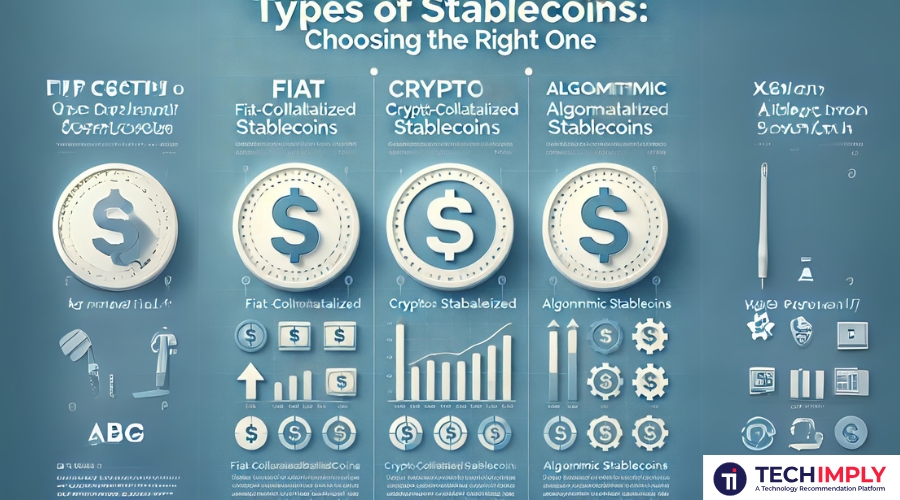
There are three main types of stablecoins, unique features of which include:
1. Fiat-Collateralized Stablecoins: The most stable as they are backed by traditional currencies reserves (e.g., USD). Some examples of this type of stablecoin are Tether (USDT) and USD Coin (USDC). Since they’re also reliable, they’re my everyday-use pair.
2. Crypto Collateralized Stablecoins: These are backed by other cryptocurrencies, such as MakerDAO’s DAI, which is pegged to the dollar while backed by Ethereum. They provide decentralization, but have a little more risk from crypto volatility.
3. Algorithmic Stablecoins: These are pegged via smart contracts and supply changes rather than collateral. They can also be less predictable, while they’re innovative.
Fintech specialist Maria Smith explains, “Each type serves different needs and risk appetites. I appreciate how this type of diversification gives me flexibility as to whether I care about stability or decentralization — there’s a stablecoin for whatever I need.
Choosing the Right Stablecoin
Factors to Consider
Choosing the correct stablecoin will help make the experience go smoothly. Here’s what I focus on:
- Stability and Collaterization: We strive for a fully collateralized stablecoin, backed with complete transparency on reserves. “Transparency in a stablecoin’s reserves builds trust and reliability for everyday use,” says blockchain expert Sarah Lee.
- Secure: The security features protect my funds against hacks or fraud.
- Transaction Fees: Low fees help to keep expenses lower, especially for high-frequency transactions.
- Integration: Will the stablecoin integrate with my favorite wallets and merchants?
I prefer USDC for your daily use, as it’s transparent and has much acceptance, but yours may vary according to your needs.
Setting Up a Digital Wallet
Selecting a Wallet Provider
Your digital wallet is your entry point for accessing stablecoins. I use Coinbase Wallet for its robust encryption and two-factor authentication (2FA), though if you have other preferences like MetaMask and Trust Wallet, both are great options too. “The wallet provider is trusted because they protect your assets with security features,” Sarah Lee suggests. Consider user-friendly interfaces and compatibility with your selected stablecoin.
Securing Your Wallet
Security is non-negotiable. I set up 2FA, use a strong password, and keep my seed phrase offline. Trust Wallet, for example, encrypts my data, meaning my stablecoins are safe. My defenses are further enhanced by regular backups and software updates that make transactions worry free.
How to Use Cryptocurrency Exchanges
I also prefer traditional exchanges such as Coinbase and Binance to purchase stablecoins. I register, KYC verify, deposit funds, and buy my stablecoin (USDC, etc.) “They provide a safe and easy to use environment for stablecoin transactions,” Sarah Lee emphasizes. It's the best option for regular use thanks to the low fees and near-instant delivery.
Purchasing via Peer-to-Peer Networks
If you want to get a bit more hands-on, I look to peer-to-peer (P2P) platforms such as LocalBitcoins. I choose a reputable seller and we negotiate terms, and I make the purchase through escrow. According to Sarah Lee, “P2P platforms improve accessibility and competitive rates.” The flexibility of this payment method custom payment options and direct interaction lend a personalized experience to stablecoin acquisition.
Stablecoins: The Future of Everyday Transactions
Online Shopping
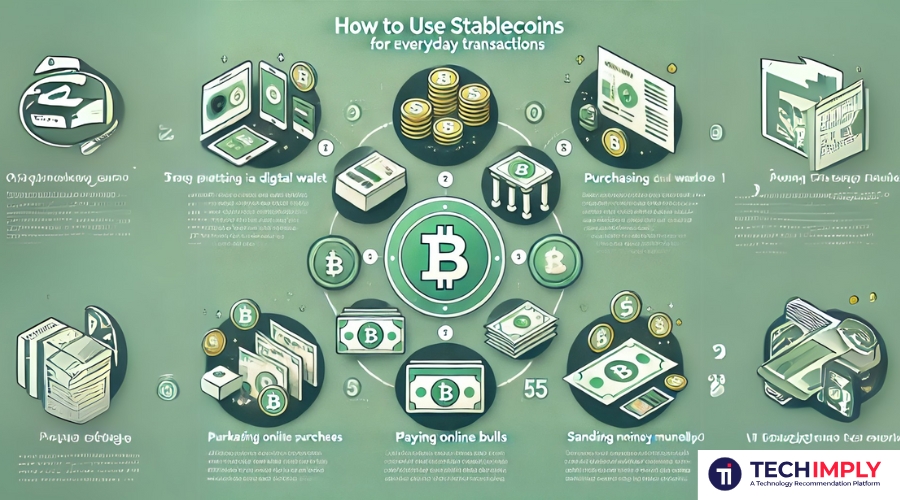
People can buy online using stablecoins. Services such as Coinbase Commerce and BitPay allow me to spend with merchants that accept USDC or USDT. “The number of retailers accepting stablecoins is growing steadily, providing further option for shoppers,” notes Sarah Lee. Whether I’m purchasing clothes or tech gadgets, I want to make fast, secure payments with minimal fees.
Paying Bills
I regularly pay bills in stablecoins My life has certainly gotten easier. I connect my USDC wallet and configure payments with Spritz. Spritz instantly converts stablecoins to fiat on-chain for timely bill settlements. Sarah Lee: “Platforms such as Spritz conduct seamless bill payments by removing manual conversion. For the bills that are recurring, I set up payments so I’m not wasting time paying things or incurring fees.
Sending Money Internationally
Most importantly, stablecoins has totally changed my cross-border payments. Transactions are settled in a few minutes, not days, and fees are a tiny fraction of what banks charge. “They reduce transaction costs, making cross-border payments cheaper,” Sarah Lee explains, “and therefore, more accessible.” Their stable value also protects me from currency fluctuations. Recipients will get the full amount I intend.
How to Manage and Secure Your Stablecoins
Best Practices for Security
For the utmost security, I store my stablecoins in a hardware wallet such as it is the Ledger. 2FA and timely software updates are mandatory. “Strong security measures build trust and safeguard your assets,” says Sarah Lee. It was only after several important steps that my funds were safe, nightmare exposing the threats of the digital world.
Monitoring Transactions
I keep track of how I am spending by checking transaction histories and setting alerts for unusual activity. “Tracking what’s happening with your transactions has that transparency and control over your money,” says Sarah Lee. Tools such as Etherscan (for Ethereum-based stablecoins) make this process effortless and keep me in the loop.
Rewards of Using Stablecoin Daily
Financial Stability
The peg of stablecoins to assets such as the USD reassures me in budgeting. “Stablecoins offer stability which guarantees a reliable spending function for day-to-day consumption needs,” Sarah Lee says. No more worrying about price swings—I know my money retains its value.
Lower Transaction Fees
Stablecoins save me money compared to bank fees. Because every transaction, whether it’s paying for groceries or services, has a minimal cost associated, every transaction is a little more affordable.
Mitigating Potential Risks
Managing Market Volatility
I avoid rare disruptions by using well-collateralized stablecoins, despite the fact that they're designed for stability. Stablecoins add financial stability — something this world desperately needs for day-to-day transactions — and Sarah Lee — affirms that. This allows me to plan without fear of any sudden drops.
Considerations in Navigating Regulation
Compliance is key. You are only allowed access to data until October 2023. “Such adherence to regulation increases confidence and security in the stablecoin activity,” says Sarah Lee. This proactive approach keeps my money above board.
Conclusion
My day-to-day finances have switched to stablecoins. Everything from shopping to international transfers is seamless and stress-free because of their stability, low fees, and versatility. As stablecoin payments are increasingly embraced by merchants and services, so will their role in everyday life. With the right stablecoin, a secure wallet, and knowledge of what I’m doing, I’ve opened up a new smart way to manage money. I look forward to seeing how stablecoins develop into the future — and I encourage you to explore that potential yourself.