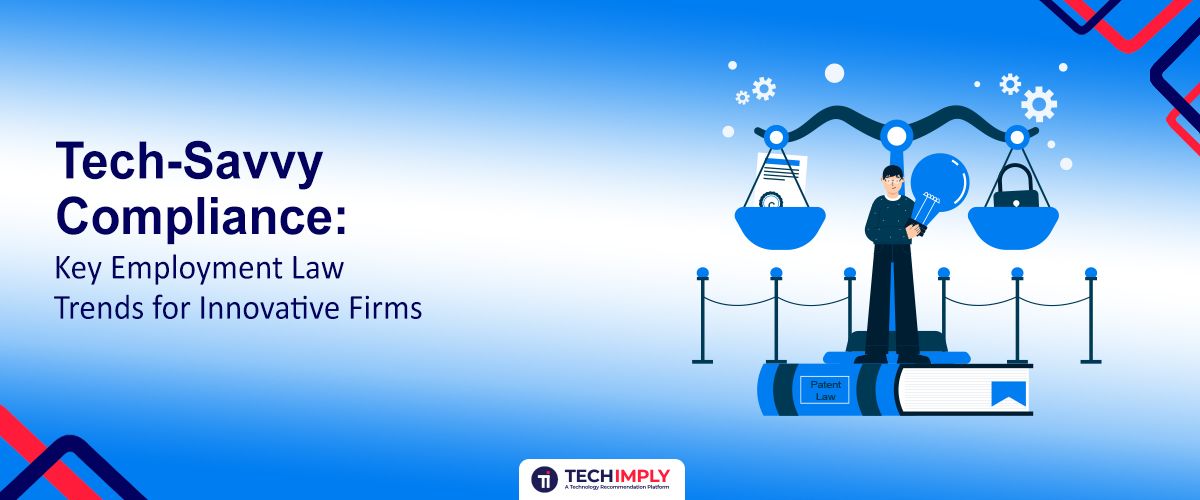
In a rapidly evolving technological landscape, staying ahead of employment law trends is crucial for innovative firms. As businesses integrate more technology into their operations, maintaining compliance becomes a nuanced challenge. Therefore, it is important to remember that employment lawyers can play a significant role in ensuring that companies remain compliant while embracing technological advancements.
This article aims to examine how emerging technologies are shaping employment law, and how forward-thinking legal guidance can help businesses navigate this intersection with confidence and clarity.
Understanding the Impact of Technology on Employment Law
The integration of technology into the workplace has introduced new dynamics between employers and employees. As a forward-thinking firm, understanding these dynamics is essential. The increased use of digital communication, remote working tools, and AI-driven decision-making processes all come with specific legal considerations.
For instance, the rise of remote work has challenged traditional notions of workplace safety and employee monitoring. Employers must navigate the fine line between ensuring productivity and respecting privacy rights. In addition, the use of AI in recruitment processes raises questions about discrimination and bias, demanding a careful review of compliance with anti-discrimination laws.
The Role of Data Protection Regulations
With the increasing digitisation of work, data protection has become a cornerstone of employment law. The General Data Protection Regulation (GDPR) serves as a critical framework to ensure that employee data is collected, processed, and stored with respect to privacy rights. Firms need to be vigilant in their data management practices to avoid hefty fines and reputational damage.
Implementing robust data protection measures not only ensures compliance but also enhances employee trust. Clear policies on data usage and transparent communication with employees regarding their data rights are essential steps. For more insights on data protection and compliance, you can explore this overview of GDPR.
Ensuring Compliance in the Digital Age
Navigating the complexities of digital compliance requires comprehensive strategies. Here are some key steps for innovative firms:
-
Regular Training: Conduct regular training sessions for employees to understand compliance requirements, especially concerning data protection and workplace behaviour in a digital environment.
-
Policy Updates: Ensure that company policies are regularly updated to reflect changes in technology and legislation.
-
Consultation: Engage with legal experts who can provide guidance on current employment law trends and compliance strategies.
As technological innovations continue to reshape workplaces, maintaining compliance becomes a sophisticated yet indispensable task. Proactively addressing these challenges ensures not only legal adherence but also bolsters your firm's reputation as a responsible and forward-looking employer.
Adapting to a Diverse Workforce
In today's globalised economy, fostering a diverse and inclusive work environment is more than just a policy; it's a necessity. Employment law now requires employers to prioritise diversity and inclusion, and this is increasingly reflected in recruitment, training, and workplace practices. Embracing diversity brings numerous benefits, including a broader range of perspectives, enhanced creativity, and improved employee engagement.
However, achieving a truly inclusive workplace involves more than just meeting statutory requirements. Companies must actively cultivate a culture that values and respects differences. This means implementing fair hiring practices, providing equal opportunities for development, and ensuring all voices are heard and valued. Leaders must be equipped to manage diverse teams effectively, understanding cultural nuances and fostering an environment where every employee feels safe and respected.
The Importance of Accessibility Compliance
Accessibility is another critical aspect of employment law that innovative firms must address. Ensuring that digital platforms and physical workplaces are accessible to all employees, including those with disabilities, is not just a legal obligation but a moral imperative. Accessibility compliance involves making necessary adjustments to accommodate employees' needs, whether through adaptive technologies or physical workplace modifications.
By prioritising accessibility, firms not only comply with the law but also demonstrate a commitment to inclusivity and equal opportunity for all employees.
Staying Ahead in the Compliance Landscape
In the ever-evolving world of employment law, staying ahead of trends is crucial for innovative firms. By embracing technology, enhancing data protection, fostering diversity, and ensuring accessibility, companies can navigate the complexities of compliance while creating a supportive and dynamic work environment.
By taking proactive measures and staying informed about the latest legal developments, your firm can maintain compliance while paving the way for sustainable growth. Engaging with legal professionals and industry experts ensures that your strategies are both legally sound and forward-thinking. As the landscape continues to evolve, commitment to compliance will not only protect your business but also empower it to thrive in a competitive market.