HR technology plays a crucial role in efficiently running your business, yet 36% of HR professionals say they lack adequate HR technology.
The right technology is crucial for streamlining processes such as:
-
Managing employee learning and development
-
Acquiring and onboarding talent
-
Tracking your team’s hours
-
Paying employees on time
During periods of high seasonal business demand, this need becomes critical.
In this blog, we’ll highlight how optimizing core HR functionality through advanced HR software ensures smooth sailing in operations when it matters the most.
Bad HR technology damages productivity
The most recent study highlighting the negative impact of poor HR tech came from the UK in 2023 in HR Magazine
Some of the most startling findings include how:
-
41% of workers juggle between a minimum of five and a maximum of nine different HR programs.
-
46% of employees are wasting an additional 30 minutes per employee per week trying to navigate HR applications.
We live in an era of flexible and remote working, making it as crucial as ever to have working HR systems. In other words, it shouldn’t be difficult for individual employees to:
-
Input the hours they’ve worked on each project and other employee self-service tasks
-
Request time off
More importantly, your company must be able to access this data easily. Whether you have a lead list from before, or new HR software like HR Cloud, your company will be ready to look for new hires.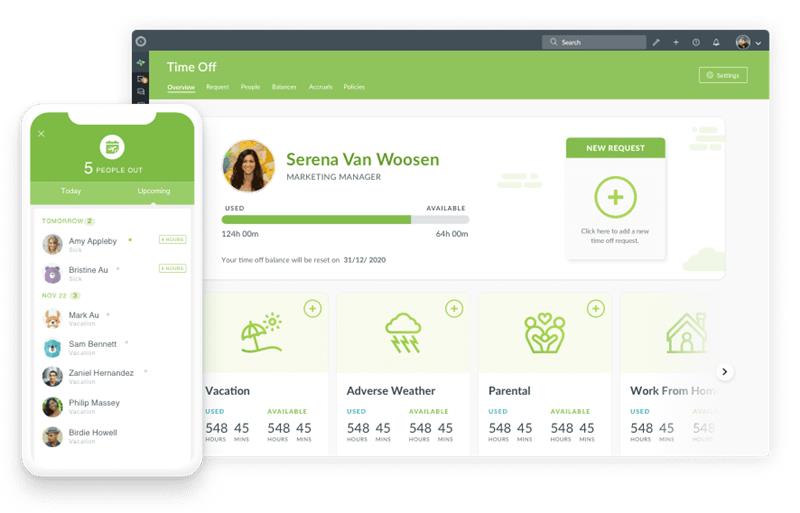
One software to rule them all
Let’s face it. It’s overkill for any organization to use nine different HR systems. It also makes one question their purchasing decisions.
So, internally assess your needs and consider investing in core HR software that meets them all. Because you’ll benefit from:
-
In-built extensions such as payroll software and employee appraisal management.
-
Cost-effectiveness (one subscription is cheaper than nine).
-
Improved data consistency and analysis.
-
Easier compliance management.
-
Improved employee experience.
-
Streamlined operations.
The stress placed on HR apps is greater during seasonable busy periods.
To deal with the increased workload, it makes sense for everyone involved to use only one software (instead of nine) — especially when getting staff onboarded and trained so they’re ready to get down to business.
Saving time and maximizing profitability is any organization’s North Star.
Recruitment and talent acquisition
Not only do you need to advertise jobs for your seasonal busy period well in advance, but you also want to cast your net far and wide. Plus, you need the ability to discard and progress applications as you see fit.
With advanced HR software, you can write and publish your application once. And it automatically publishes your job advert on the most popular job boards (and others of your choosing) immediately.
Whether someone applies via Indeed or LinkedIn, all applications are received in a central location. That way, you don’t need to remember the password for and access 13 recruitment sites to sift through applications.
You customize your application as you see fit and ask the questions you feel are most pertinent to assess a candidate’s job competence.
With this method, you’ll get ahead of the 64% of recruitment teams who struggle to assess a candidate’s skills and job readiness — according to a 2023 LinkedIn report.
Skills-based hiring will take precedence over reputation-based hiring. With HR software, you can create a skill-based application form that prioritizes what they know.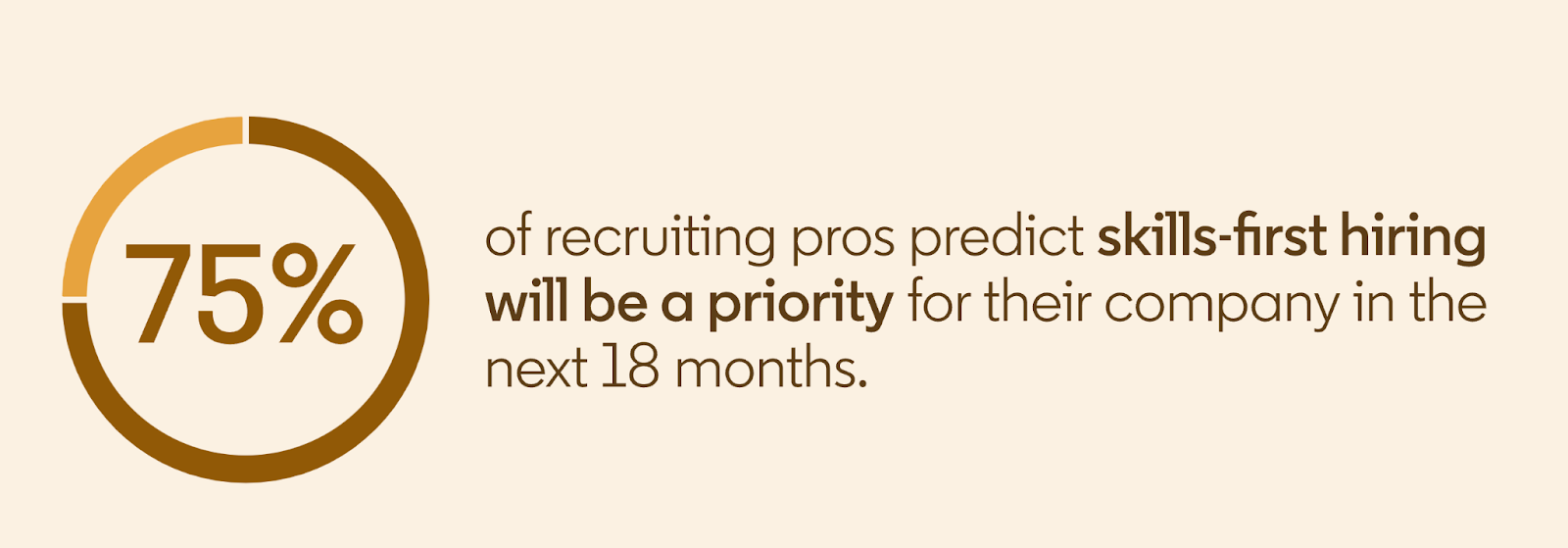
Candidate onboarding
Onboarding is a problem area for many organizations (regardless of size).
A Gallup study observed that 88% of employees feel their organization doesn’t do a great job onboarding. Onboarding sets the tone for employees, making it important to try new onboarding methods and break away from the norm.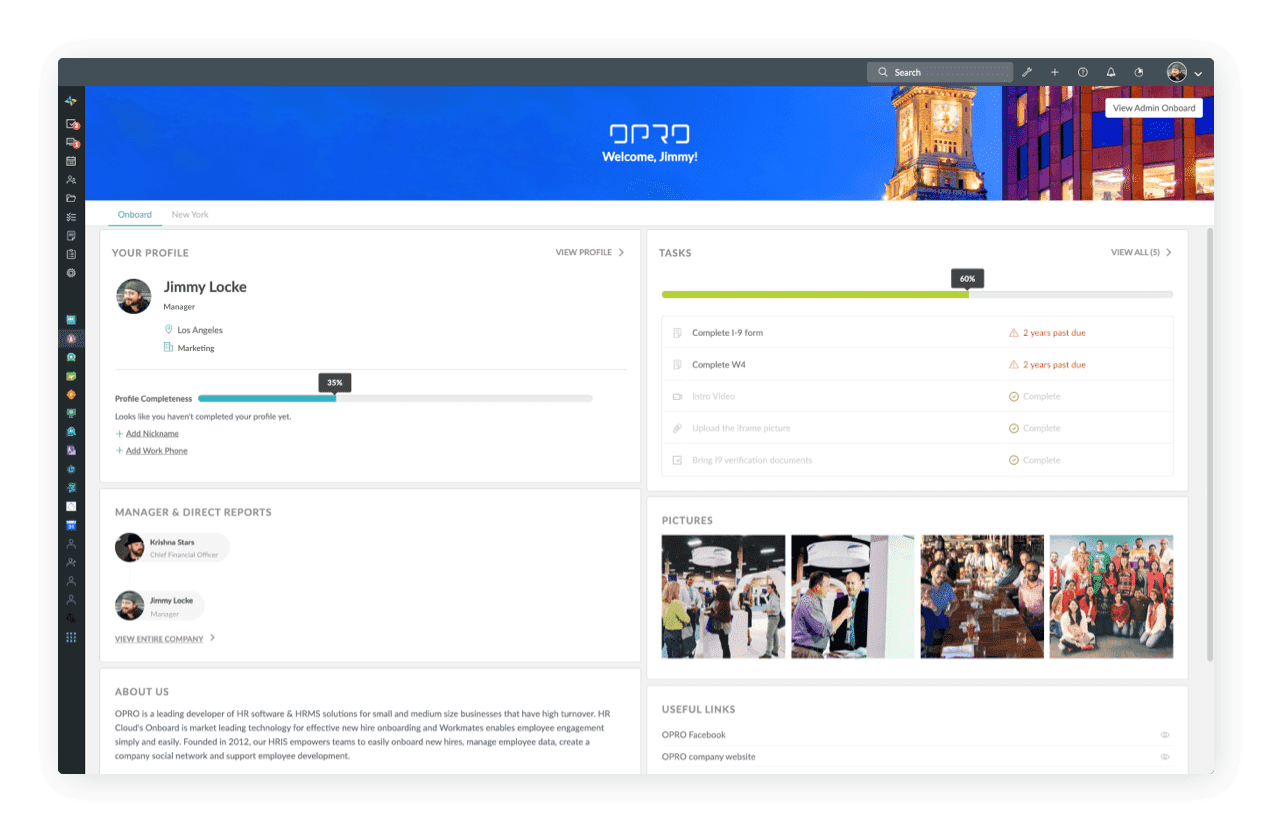
Other studies suggest that good onboarding practices help retain and improve employee job satisfaction. As important as this is, if you’re preparing for a busy period, you want to get new hires up and running as soon as possible.
Here are some common onboarding pain points that may sound familiar:
-
Poor user interface design, making it hard for new hires to navigate the software
-
Bugs or glitches in the software that hinder the completion of onboarding tasks.
-
Problems with integrating the onboarding software with other HR systems.
-
Incompatibility of the software with certain devices or operating systems.
-
Not knowing whether the candidate has completed all onboarding tasks.
-
Difficulty in logging in or accessing the onboarding platform.
-
Slow loading times or frequent crashes of the application.
-
Issues with updating or saving information within the tool.
There’s also the case of setting up slightly different onboarding procedures depending on the role. Advanced HR software lets you create and automate bespoke onboarding processes by:
-
Facilitating easy tracking of onboarding progress for both the new employee and HR.
-
Automating routine tasks like form filling, ensuring a smoother start for new hires.
-
Providing a centralized portal for all onboarding materials and resources.
-
Allowing new hires to complete paperwork digitally before their first day.
-
Offering interactive and engaging training modules.
-
Seamless integration with other HR systems.
You can even enable personalized onboarding experiences tailored to individual roles, departments, or generations.
For example, Gen Z onboarding may look entirely different from onboarding millennials.
Spark team chemistry in a remote-working world
Creating a motivated team culture when people work remotely isn’t easy. Rather, it’s more of an uphill battle.
While Zoom gained popularity during the COVID-19 pandemic, it’s time for HR departments to explore alternative platforms to Zoom.
These alternatives offer similar functionalities, including team communication, video conferencing, and collaboration, enabling HR teams to streamline seasonal operations efficiently.
Another way to boost workplace productivity could be to implement a dedicated communication platform within your HR system. For instance, our Workmates platform streamlines both internal conversations and external engagement. You can:
-
Get employee feedback on certain processes.
-
Communicate important announcements.
-
Facilitate project-related conversations.
-
Manage festive campaigns.
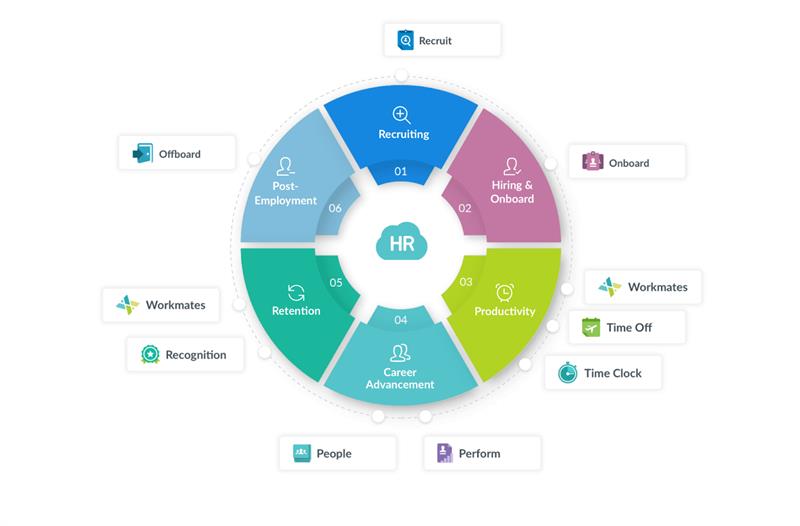
You can plug Workmates into every employee interaction with your organization at any point of the entire employee lifecycle — from recruitment to retirement.
Data security
As the holiday period often witnesses a surge in new hiring initiatives, ensuring the integrity and safety of sensitive personnel information becomes imperative.
Implementing container security best practices transforms your advanced HR software into fortresses, adept at thwarting potential digital threats.
The key to fortifying your software includes:
-
Employing verified container images
-
Vigilant network surveillance
-
Consistent security patches
This strategic synthesis of cutting-edge technology and stringent security measures is vital for maintaining a smooth and secure operational flow during the holiday season.
Access authentication is also crucial. A possible solution is a single sign-on (SSO) protocol that allows users to log in once and access multiple resources without repeatedly entering their credentials. 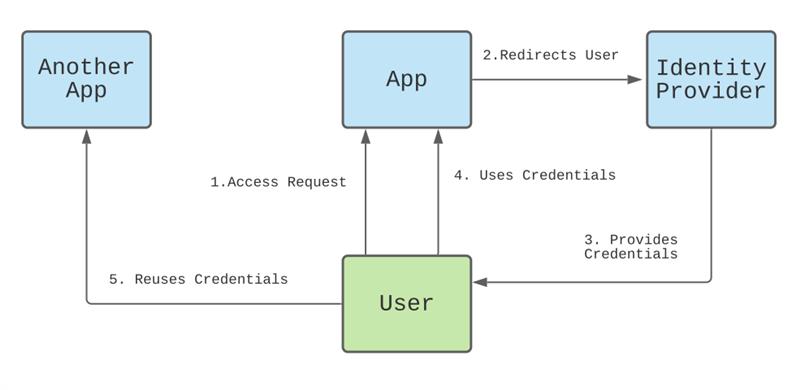
Different types of SSO protocols, such as SAML and OAuth, have distinct advantages and disadvantages depending on the use case.
For instance, taking the extra ten minutes to understand the differences between SAML vs. OAuth can improve security and the employee experience tenfold.
Why? Understanding the differences and similarities between these protocols allows you to choose the best option for your organization and ensure a smooth and secure operation during the busy holiday season.
Comprehensive reporting
One of the challenges HR managers face during the holiday season is determining the most effective way to analyze and visualize data related to their seasonal operations. For example:
-
How many new hires have joined the workforce?
-
Is there an extra payroll budget to distribute holiday bonuses?
-
How will holiday bonuses be rewarded (performance vs. tenure)?
Thankfully, the proper business intelligence platforms can help you with these tedious and error-prone tasks.
Tableau is one of the most popular business intelligence tools that can turn raw data into comprehensive visuals. However, many users complain that it’s expensive, complex, or incompatible with existing systems.
Therefore, consider exploring the alternatives to Tableau and see how they align with your current tech stack.
Why? As we mentioned earlier, less is more. Finding the right business intelligence tool that integrates with your existing systems is key to maintaining efficiency during a busy time.
Offboarding
We know it’s common for seasonal hires to be temporary. They’re there to help manage a short yet intense burst of activity during the Christmas season.
One of the issues with offboarding is that you don’t want to completely lose track of your ex-hire — especially if they were a good performer.
You may want to use them again when the next busy season arrives, during a period of absenteeism, or to hire them to fill the gap left by a permanent staff member.
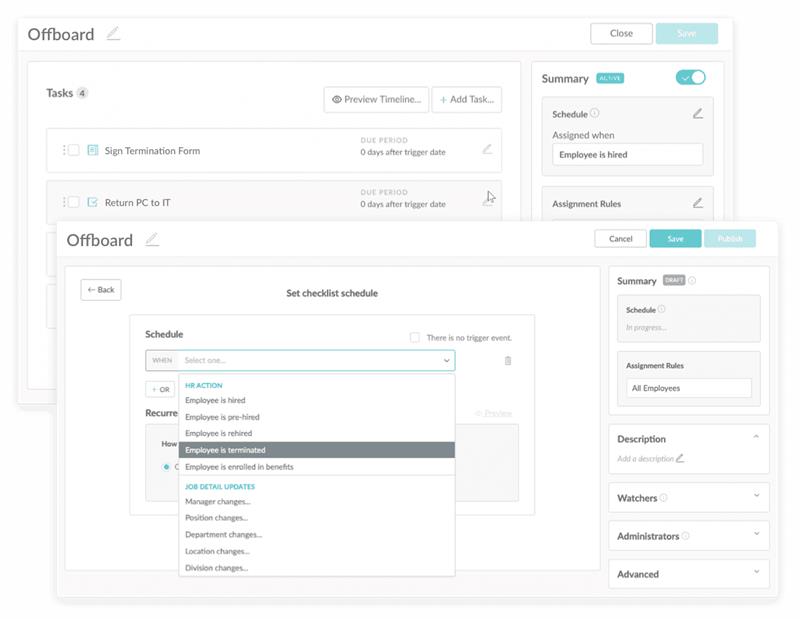
An advanced HR system can enhance offboarding by:
-
Facilitating exit interviews and feedback collection digitally for insights into workplace improvements.
-
Maintaining a positive relationship with departing employees for potential future re-hiring or referrals.
-
Automating the return of company assets and revoking online access to company systems.
-
Providing a structured checklist to ensure all necessary offboarding steps are completed.
-
Ensuring compliance with legal and company-specific offboarding protocols.
-
Streamlining the final payroll and benefits cessation processes.
How do I choose the right HR system?
With so many HR systems, it can be overwhelming to know which one is best for you. It’s a sizable investment — but the right one provides a big ROI.
As a team, ask yourself these nine questions as it’ll enable you to have the right conversations when you approach any HR systems provider to identify whether they’re the right one for you:
-
Do we need accessibility for staff with visual or auditory disabilities?
-
Can it provide the specific analytics we’re interested in measuring?
-
Will the new software integrate with our existing systems?
-
Is it easy for our most tech-phobic staff members to use?
-
What are our most common problem areas?
-
What’s our desired level of scalability?
-
What is the pricing structure?
-
How customizable is it?
-
How secure is it?
Ready to find the right HR system for your business? Explore top HR software solutions on Techimply and compare options tailored to your needs.