The modern digital age has brought an avalanche of innovation, and few technologies in the digital domain excite me quite as much as stablecoins, a class of cryptocurrencies designed to hold stable value in an increasingly volatile world. Having welcomed this revolution, I’ve experienced firsthand how these digital assets connect the gulf between so-called preferred banking customers and the digital economy. They are not just the toys of technology enthusiasts; they have become lifelines for millions excluded from financial systems with unprecedented levels of stability, affordability, and access. In this extended journey, I’ll explore the way stablecoins are reshaping financial landscapes and removing obstacles for individuals and communities across the globe.
Stablecoins and Financial Inclusion: The What and the Why
What are Stablecoins: USDT, USDC, DAI, Tether, and More?
Stablecoins are an intriguing iteration of cryptocurrency, intended to have a stable value by being backed by stable assets such as the US dollar, gold, or even a basket of currencies. They exist in three main varieties, all with different ways to work. These fiat-collateralized stablecoins—most notably Tether (USDT) and USD Coin (USDC)—hold reserves of traditional currencies in audited bank accounts—akin to digital IOUs backed by real cash. Crypto-collateralized stablecoins, e.g., MakerDAO’s DAI, utilize over-collateralized pools of other digital assets (e.g., Ethereum) to ensure stability and cater to those enmeshed in the crypto ecosystem.
Algorithmic stablecoins, like Terra (before its collapse) or new incarnations, work by dynamically adjusting their supply according to market supply—a balancing act of code and economics. From where I stand, this represents the adaptability of stablecoins—they can address diverse needs, one set by rural farmers in Africa, another by urban gig workers in Asia—financial services that others have been unable to provide as of yet.
What Makes Stablecoins Different From Traditional Cryptocurrencies
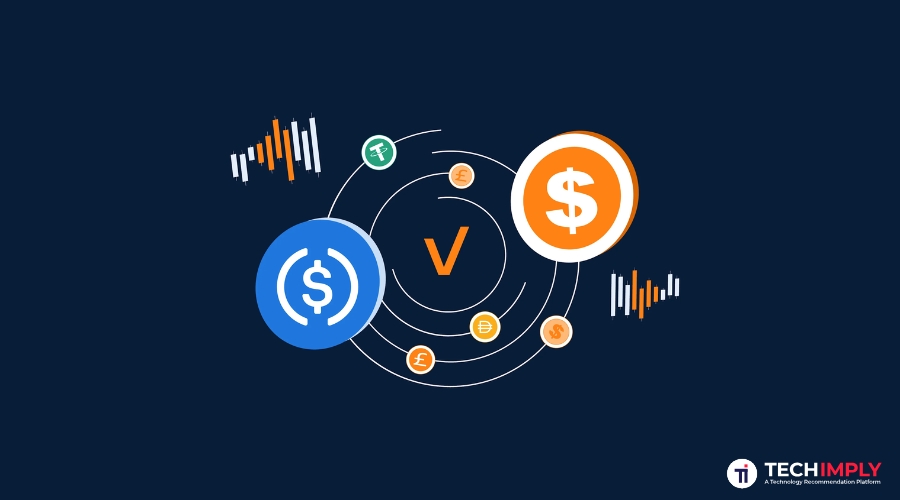
Unlike Bitcoin or Ethereum, which excite investors with their manic-depressive price fluctuations, stablecoins value predictability. Bitcoin might go up 20% one day and back down the next, fueled by market speculation, but stablecoins like USDC are designed to hold a steady value of $1. This stability makes them practical for quotidian activity—paying for goods, saving for the future, or sending money overseas. “ A digital finance expert, Dr. Anna Lee, succinctly describes their benefit, saying, “Stablecoins bridge the gap between digital and traditional finance, and they provide a reliable medium to facilitate transactions.” Doing so, I find this reliability transformational. It takes away the risk of crypto volatility, bringing even the most risk-averse users into the digital economy.” In regions afflicted by unstable currencies or limited banking, stablecoins are no longer simply an alternative—they are a necessity.
Improving Access to Financial Services
Stablecoins are changing the rules of who gets to play finance, and I’ve seen their power firsthand.
Access for the Unbanked and Underbanked Audiences
Worldwide, more than 1.4 billion people do not have bank accounts, frequently because they are too far away from cities or too poor, or just do not trust institutions. Where banks fail, stablecoins take the lead. Consider cross-border remittances: a migrant worker in the UAE sending funds to their family in the Philippines, say, could lose 10% of their money to fees and wait days with traditional services. That transfer with stablecoins costs a fraction and settles within minutes. “Stablecoins lower the barriers for unbanked populations, so they drive more inclusion,” says Dr. Lee. I’ve witnessed this firsthand—friends in cash economies are now using stablecoins for microtransactions, such as selling homegrown produce or crafts online and allowing them to make these sales without needing a bank. In Kenya, for example, Binance and Paxful have allowed USDT to be popular, helping small vendors make a living. This new paradigm enables self-made wealth building for people around the world—one transaction at a time.
Stablecoin and Mobile Wallet Integration
The marriage between stablecoins and mobile wallets is a revelation that I cannot emphasize enough. In a world where there are nine times as many smartphones as bank accounts—especially in developing nations—this integration transforms a phone into a financial platform. With apps such as Trust Wallet or Coinbase Wallet, I’ve sent USDC in an instant, no bank teller necessary. This simplicity can provide a game-changing solution in remote areas where the nearest bank may be hours away. As fintech analyst John Smith notes, mobile wallet integration with stablecoins offers “increased usability and convenience for everyday users.” Imagine a farmer in rural India receiving payment in DAI through WhatsApp or a street vendor in Nigeria completing a sale with USDT—all without the involvement of either cash or cards. This seamless access isn’t merely about convenience; it’s about security and independence and leveling the playing field in the digital economy.
Minimizing Transaction Costs and Improving Efficiency
Stablecoins are a lot more than just access—they’re about cheaper, faster finance.
Reducing Fees For Cross-Border Payments
Cross-border money transfer costs have long been a burden on their shoulders, especially for the low-income families. Traditional methods—banks, Western Union—charge 5% to 10% in fees, siphoning away scarce funds. Stablecoins flip this script. I’ve also sent USDC to friends overseas and seen fees sink to 1-2% or even lower while the blockchain does the heavy lifting. As Dr. Lee notes, “Stablecoins remove several intermediaries, allowing cross-border payments to be faster and cheaper.” In real life, in 2023, for example, the USDC integration with Stellar was able to reduce remittance costs through the African corridors by > 80%. For me, this translates to more money remaining where it’s needed—supporting families rather than padding the bank accounts of corporations.
Payment Process Optimization With Stablecoins
The real magic of stablecoins lies in their efficiency. Whereas traditional payments plod through layers of bureaucracy—clearinghouses, banks, and regulators—taking days to clear. Blockchain-based stablecoin transactions whiz by in minutes. I’ve sent payments in USDT and watched funds show up before I even finish my coffee. According to John Smith, Stablecoins allow for seamless transactions within the blockchain, minimizing wait times and providing more reliability.” For micro, small, and medium enterprises, such speed is a godsend—a café owner in Jakarta being able to pay a supplier in Singapore instantly, which shores up cash flow and avoids the bank lag. This time-saving process isn’t merely convenient; it’s a competitive advantage in a fast-moving world.
Formulating Stability in Perilous Economic Landscapes
In a time of economic upheaval, stablecoins provide a rare constant.
Stablecoins to Mitigate Currency Fluctuations
Currency turbulence can destroy livelihoods—consider Venezuela or Zimbabwe, where hyperinflation has made the local money worthless. Stablecoins such as USDT and USDC serve as a stopgap, each pegged to the US dollar to prevent crazy fluctuations. Dr. Lee points out that “stablecoins minimize the risk of sudden price fluctuations, allowing them to suit day-to-day transactions.” I’ve watched friends in Argentina flock to USDT to safeguard savings amid the peso collapse. Benefits to—exporters can price goods in USDC, avoiding exchange rate madness. This equilibrium is not only pragmatic; it’s a psychological mooring in uncertain times.
Preserving Value You Can Bank On
Everybody wants to preserve wealth, and stablecoins allow you to do that. By tracking assets such as the dollar, they preserve purchasing power even as local currencies collapse. John Smith comments, “Stablecoins help preserve purchasing power, allowing users to save without worrying about inflation.” I have seen people in high-inflation areas use USDC as a digital piggy bank, feeling safe that their money won’t disappear overnight. This reliability breeds trust and inspires adoption among the skeptics and a newfound sense of financial security where it matters most.
Enabling Cross-Border Remittances
Stablecoins are transforming the way we facilitate transnational solidarity.
More Instant and Affordable Money Transfers
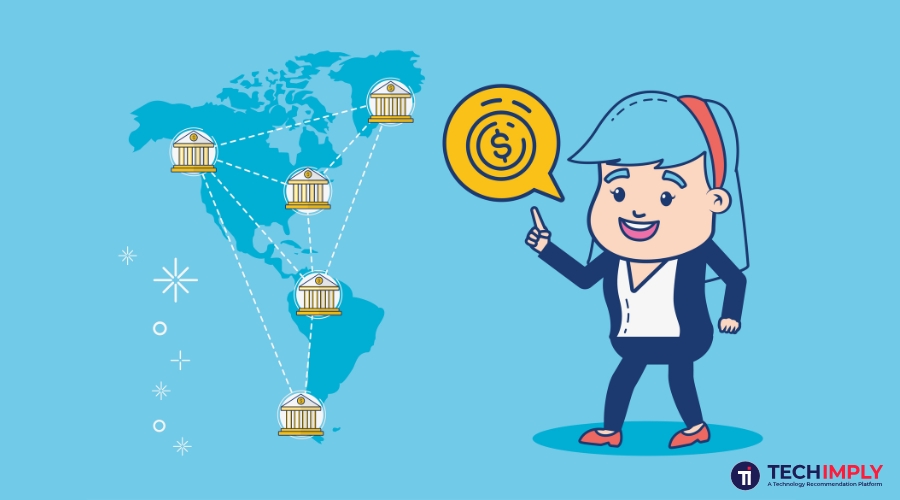
For sending money abroad, it used to be a matter of onerous fees and excruciating waits—3-5 days by banks and a 5-10% cut. Stablecoins cut through that. I’ve sent USDC to relatives abroad in a matter of minutes, with fees in the 1-2% range. “Stablecoins revolutionize remittances by lowering costs and accelerating transfers,” Dr. Lee says. Remittance-focused ones, such as Coins.ph in USDT, thus lowering costs for OFWs (overseas Filipino workers). Here’s the contrast:
- Transfer Method
- Fee Percentage
- Processing Time
- Traditional Bank
- 5-10%
- 3-5 days
- Stablecoins
- 1-2%
- Minutes
This efficiency ensures that funds arrive intact and on time—a small change that has a huge impact.
Adding Stablecoins to Remittance Services
Stablecoins cast a wider net. That’s due to the global reach of blockchain; I can send money to obscure corners that traditional services overlook. As John Smith argues, “Stablecoins broaden accessibility, enabling users to access underserved areas.” Adoption for stablecoins through platforms like Luno directly links families across borders in sub-Saharan Africa, where banking penetration still remains extremely low. And this flexibility allows me to support loved ones anywhere, which helps promote inclusion on a global scale!
Supporting Entrepreneurs and Small Businesses
Stablecoins are the lifeblood of small businesses, enabling growth and opportunity.
Global Investors: Breaking Open Markets With Stablecoins
With stablecoins, I can sell to customers all around the world without the normal friction—you pay less in fees, and the money arrives immediately. According to Dr. Lee, "Stablecoins have made the cross-border transaction less sophisticated, which allows small- and medium-sized enterprises (SMEs) to enter the whole world market." From a craftswoman in Ghana, selling to Europe via USDC, to a freelancer in Delhi, invoicing in DAI—these stories of ease of expansion are, quite literally, real.
SMEs Need Simple Payment Solutions
Stablecoins make payments easy. I avoid bank fees and delays, which helps me keep my costs low and operations smooth. As John Smith points out, stablecoins facilitate swifter settlements, enhancing cash flow perfection—a boon for small businesses. This flexibility allows me to pivot quickly and respond to customer demand without financial overhang.
Security and Transparency in Financial Transactions
The blockchain backbone of stablecoins provides trust and safety.
Trust in Stablecoins and Blockchain Technology
Stablecoin Tx transaction confirmations are as safe and verifiable as any blockchain transaction, as the blockchain’s distributed ledger encapsulates every transaction. “Blockchain’s transparency lowers the risk of fraud, making stablecoins a reliable financial tool.” — Dr. Lee Thanks to USDC, I sleep soundly knowing that my transfers, unlike opaque banking systems, are tamper-proof.
Minimizing Fraud and Increasing Transparency on Transactions
Fraud shrinks under blockchain’s gaze—all activity is felt and recorded. John Smith further adds, “The unchangeable nature of blockchain records means that fraudulent modifications are practically impossible.” I’ve felt the confidence this brings, knowing that my financial footprint is safe and auditable, creating a trustless ecosystem for everyone.
Conclusion
Stablecoins are not a fintech fad—they are a movement toward a more fair financial world. I’ve watched them enable the unbanked, then turbocharge businesses, and streamline the flow of global money. By offering stability, access, and efficiency, they’re rewriting who gets to thrive in the digital age. As the adoption grows, I am firmly convinced that stablecoins will form the bedrock of an inclusive economy that offers everybody the opportunity of attaining financial freedom. Welcoming them isn’t just a no-brainer—it’s a move toward a future where no one is excluded.