


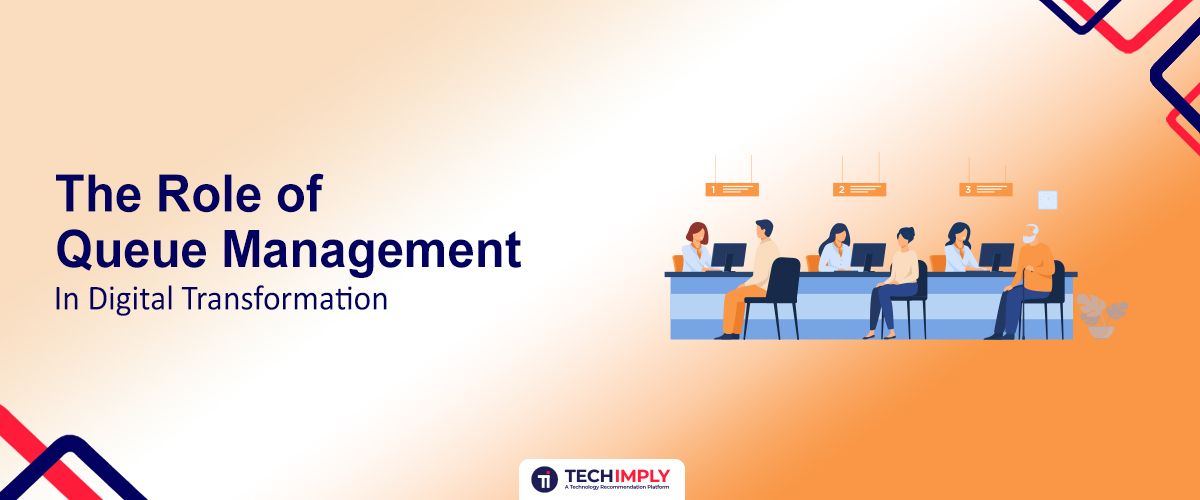
As customer expectations rise, businesses are under more pressure to adapt and deliver better experiences. Digital transformation is no longer just a trend; it’s become essential for organizations looking to streamline operations and enhance customer satisfaction. One crucial but often overlooked part of this transformation is queue management.
Traditional methods like long lines, paper tickets, and overwhelmed staff are increasingly inefficient. Digital queue management systems (QMS) are changing the game by automating and optimizing the customer flow, reducing wait times, and improving service delivery.
This results in a smoother, more positive experience for both customers and staff. In this blog, we’ll explore how queue management is driving digital transformation and why it’s a key element in improving customer satisfaction.
How Queue Management Enhances Customer Experience
As organizations undergo digital transformation, traditional queue management methods like long lines, waiting tickets, and overburdened staff are becoming outdated. Digital queue management systems play a crucial role in automating and streamlining customer management processes. These systems reduce human errors, improve operational efficiency, and, most importantly, enhance customer satisfaction.
With the rise of instant service options in industries like online shopping and digital banking, customer expectations have shifted. Today’s customers demand faster, smoother, and more personalized experiences.
Queue management technology addresses this shift by enabling features such as remote check-ins, real-time updates, and appointment rescheduling, which keep customers informed and reduce frustration. SaaS scheduling software further enhances this experience by offering convenient appointment booking and better flexibility, ensuring a smoother and more efficient customer journey.
The Role of SaaS in Queue Management
Software as a Service (SaaS) solutions are increasingly being adopted to simplify queue management. SaaS queue management systems are hosted in the cloud, which allows businesses to integrate their scheduling and queuing operations with other systems seamlessly. Unlike traditional on-premise solutions, SaaS solutions are scalable, cost-effective, and require no complex infrastructure, making them perfect for businesses of all sizes.
SaaS scheduling software, in particular, enhances queue management by automating the booking process, sending reminders, and offering real-time updates. This software helps businesses track customer appointments and queue statuses, ensuring that resources are allocated properly and that customer needs are met efficiently. It also allows businesses to gather data and insights into customer behavior, which can be used to optimize operations.
Benefits of Digital Queue Management in Digital Transformation
-
Improved Operational Efficiency
Digital queue management systems help businesses operate more efficiently by eliminating the need for manual work. Traditional methods of queue management often require significant staff time to manage waiting lists, assign resources, and handle customer inquiries. By automating these tasks, businesses can free up their staff to focus on more complex or value-added tasks, reducing operational costs and increasing productivity.
-
Data-Driven Insights
Digital queue management systems capture valuable data about customer behavior, wait times, peak service hours, and staff performance. This data is essential for decision-making and allows businesses to make informed adjustments. For example, if a business notices a peak time for customer demand, it can schedule more staff during those hours to avoid bottlenecks. Analyzing this data can also help businesses identify trends, track customer satisfaction, and fine-tune their processes for greater efficiency.
-
Increased Customer Satisfaction
A significant benefit of digital queue management is that it leads to improved customer satisfaction. Long wait times are one of the primary reasons for customer frustration. Digital systems minimize this by offering features like virtual check-ins, SMS notifications, and automated appointment reminders, which make the process more transparent and manageable. With these tools, customers no longer have to stand in line for hours, improving their overall experience and increasing their likelihood of returning.
-
Cost Savings
By optimizing the way queues are managed, businesses can significantly reduce the costs associated with manual labor, space management, and customer complaints. Businesses can also reduce operational costs by ensuring that the right number of staff members are available at peak times. SaaS queue management systems also eliminate the need for expensive on-site infrastructure, as everything is handled through the cloud.
-
Flexibility and Scalability
Digital queue management systems are flexible and can easily be scaled to meet the needs of growing businesses. Whether a business operates in a single location or across multiple branches, digital queuing solutions can seamlessly integrate into its existing systems. Cloud-based solutions like SaaS allow businesses to add new features, extend functionality, and adapt to changing customer demands without the need for complex IT interventions.
How Digital Queue Management Can Integrate into Other Digital Transformation Efforts
One of the key aspects of digital transformation is integrating different technological tools to create a seamless experience for both customers and businesses. Queue management systems are no exception, and they can be effectively integrated with other solutions such as CRM systems, payment gateways, and appointment scheduling platforms. This integration ensures that customer data is synchronized, appointments are accurately scheduled, and service delivery is optimized.
For example, businesses can integrate SaaS scheduling software with their CRM systems to automatically track customer history, preferences, and future appointments. This integration allows businesses to offer a more personalized experience by remembering customer details and preferences. Additionally, queue management systems can be integrated with customer feedback systems to capture insights on the overall experience and identify areas for improvement.
Why Queue Management Is Essential in Digital Transformation
Queue management systems are a critical component of digital transformation because they directly impact customer experience and operational efficiency. As businesses continue to digitize their operations, the need for efficient, automated systems that streamline tasks like scheduling, queue management, and customer communications becomes even more important.
In a world where customers have come to expect fast, seamless experiences, queue management tools can set businesses apart by delivering a service that prioritizes convenience, transparency, and customer satisfaction. By adopting digital queuing systems, businesses can keep up with customer expectations while improving internal workflows and saving costs.
Future Trends in Queue Management
As technology continues to evolve, so will the capabilities of queue management systems. In the near future, we can expect to see even more advanced features, such as AI-powered chatbots for customer queries, virtual queuing with remote check-ins, and advanced predictive analytics that allow businesses to proactively manage queues.
Moreover, integration with emerging technologies like AI, the Internet of Things (IoT), and big data will allow businesses to make even smarter decisions regarding customer flow and resource allocation. As businesses embrace digital transformation, these technologies will play an even bigger role in improving the customer experience, making queuing systems more efficient and adaptive than ever before.
Conclusion
In the era of digital transformation, businesses cannot afford to overlook the importance of queue management. As customer expectations rise, traditional queuing methods are becoming outdated, and digital solutions are taking center stage.
Queue management systems, particularly SaaS scheduling software, offer businesses an effective way to streamline operations, improve customer satisfaction, and reduce operational costs.
By automating appointment scheduling, providing real-time updates, and integrating with other digital systems, businesses can create a seamless, customer-centric experience that drives loyalty and satisfaction.


.png "A Definitive Guide to the Costs of Colocation")


