The old 9-to-5 is over. Are you prepared for the new method of working?
The office desk has been the main part of our professional life for decades. However, nowadays, everything has changed on a fundamental level. We no longer ask ourselves whether we can work at home or how we can work at home effectively and efficiently. You came to the right place in case you heard the buzz of not having to commute and being able to gain flexibility.
This guide is going deep into the contemporary professional environment. We will clarify the definition of working remotely, discuss the gigantic advantages of working remotely to people, address the most frequent issues, and disclose why this change is not only about employee freedom but also is one of the essential benefits of companies. Prepare to learn how being flexible can change your business and career.
What Is Remote Work?
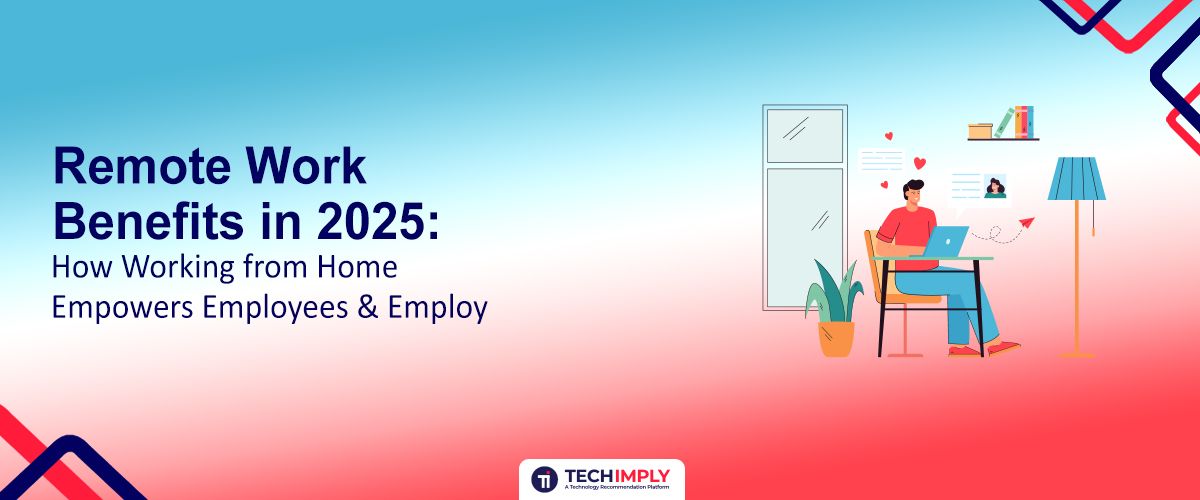
Remote work is a flexible form of employment wherein workers do not travel or work at a central location of office. Instead, they work their business assignments out of a foreign place, more often than not a home office, or a co-working center, or even a home or other city/country.
The basic idea behind remote work is that work is a job and not a place. Through the assistance of digital tools and cloud-based systems, teams are able to unite, work together, and provide deliverables without considering geography. The model has been a revolutionary one because it has changed the expectations of employees and corporate strategy in any industry.
What Are The Top Remote Work Benefits For Employees?
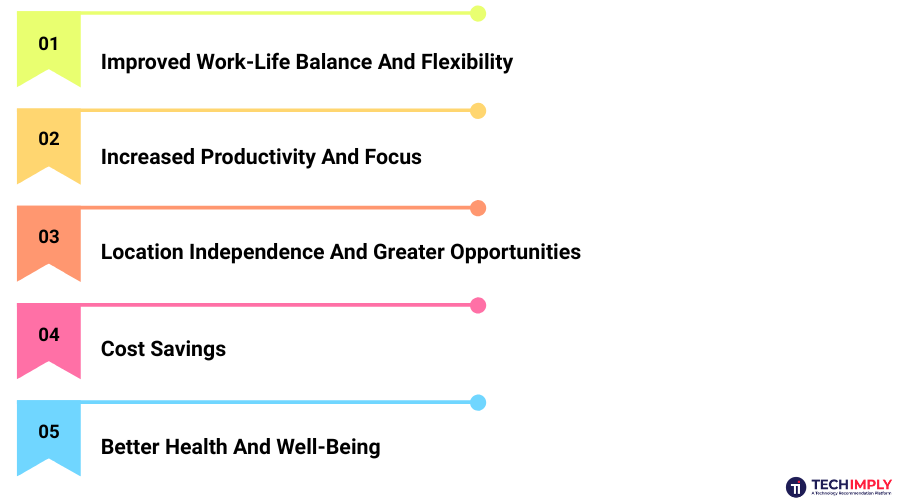
The benefits of this model are far-reaching, and they make a workforce that is more satisfied, productive, and well-rounded. The complete picture of the benefits of doing a remote job is vital to any professional in the modern job market.
1. Improved Work-Life Balance And Flexibility
- Customized Schedules: Employees will have time to schedule their working time in a way that will suit their personal needs, be it child minding, visiting the doctor, or getting to work early enough to get to sleep.
- Reduced Commute: Removing the daily commute immediately gives you hours of wasted and stressful time, which is then reinvested into your personal life.
- More Time For Self-Care: The saved time can be spent on more healthy endeavors, including home-cooked meals or physical activity.
2. Increased Productivity And Focus
- Fewer Distractions: Workers working at home do not experience the same level of distraction found in open offices with unscheduled meetings and office gossip.
- Personalized Workspace: That it is possible to make the workspace as comfortable and conducive as possible to concentration, control the level of light, noise, and temperature, is a huge triumph of focus.
- Working During Peak Productivity: Employees are able to organize their working days in a way that maximizes their biological peak performance, resulting in better output.
3. Location Independence And Greater Opportunities
- Work From Anywhere: This advantage gives professionals the ability to live close to family, travel, or just be in a community of their choice, and fully unlink their career to their zip code.
- Access To A Wider Job Market: To the employee, home working exposes them to national and international firms that were not accessible some years ago because of geographical limitations.
4. Cost Savings
- Reduced Commuting Expenses: Gas and passenger transportation expenses, as well as wear-and-tear of vehicles, are saved quite rapidly.
- Lower Dining Expenses: The necessity to purchase expensive takeout lunches daily is replaced with the relatively low-priced home-cooked food.
- Reduced Wardrobe Costs: The informal nature of the work environment will automatically mean that more money is saved on professional attire.
5. Better Health And Well-Being
- Reduced Stress: Removing the commute time, office politics, and knowing that the person is on display all the time reduces overall stress levels.
- Increased Opportunity For Physical Activity: Having no commute, one can easily work out or walk a do,g or visit a gym during the day.
- Reduced Exposure To Illness: Working at home significantly reduces contact with seasonal illnesses such as flu and colds, hence sick days are reduced.
The testimonies of people who have adopted this model will give an invaluable insight into its deep personal effect. The main remote work advantages that are outlined in the opinion of this freelancer are:

Challenges Of Working Remotely
Though the merits of working remotely are undeniable, there are also challenges associated with working remotely. It takes the initiative of the employees and the employer to solve certain obstacles in order to be successful.
1. Challenges For Employees
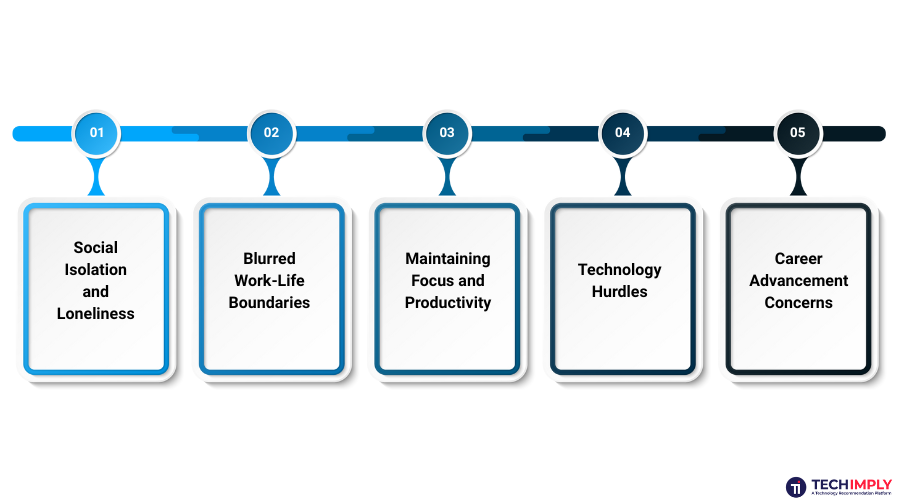
- Social Isolation and Loneliness: The workers are impersonalized since there is no free and informal interaction in the work environment.
- Blurred Work-Life Boundaries: This is attributed to the fact that the office is never out of place, and it is difficult to turn off and avoid the urge to work late.
- Maintaining Focus and Productivity: Distractors at home, whether by family or work, can kill concentration unless boundaries are well established.
- Technology Hurdles: The use of personal internet and equipment implies that technical challenges may disrupt the working process in a few minutes.
- Career Advancement Concerns: The other remotely working people fear that they will not be seen and, therefore, they will not be considered when it comes to promotion and big projects.
2. Challenges For Employers
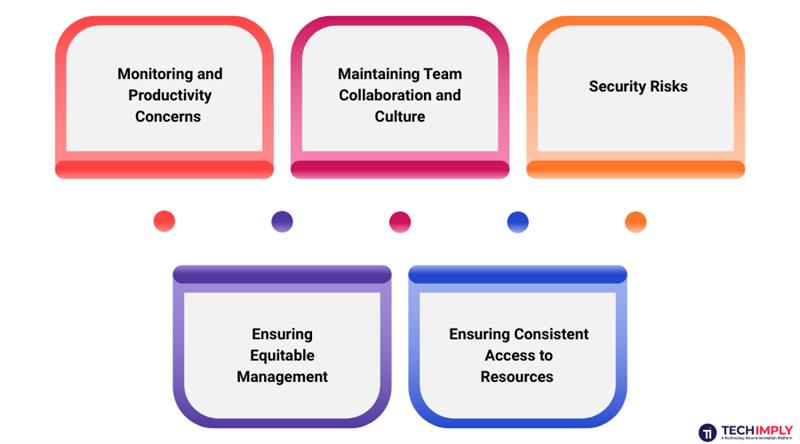
- Monitoring and Productivity Concerns: The employers should cease to be preoccupied with the amount of hours spent in an office and instead look at actual results and output, and new management approaches based on trust come into the limelight.
- Maintaining Team Collaboration and Culture: In cases where communication is largely digital, one should intentionally and creatively build cohesion and a culture within the company.
- Security Risks: Employees on their personal computers and home networks are making it easily accessible to cyber-attacks, and stronger security and education are required.
- Ensuring Equitable Management: The managers must ensure that there is no disparity between the remote and in-office employees in terms of opportunities, feedback, and support.
- Ensuring Consistent Access To Resources: It can be logistically complicated to make available to a decentralized team, equipment, licenses, and other physical materials that are required.
Conclusion
The shift to remote operations isn’t a trend—it’s the future of work. The remote employee's meaning is simple: a productive worker operating beyond the traditional office. The benefits of remote working go further than the escape from traffic, greater contentment, decreased expenditure, and worldwide talent. Having been shown to have proven health advantages to remote work and significant overhead savings, this model provides power to both the business and the employees. There are challenges, but the advantages of remote working far outweigh the challenges. In right tools and mindset spell sustainable growth and prosperity.