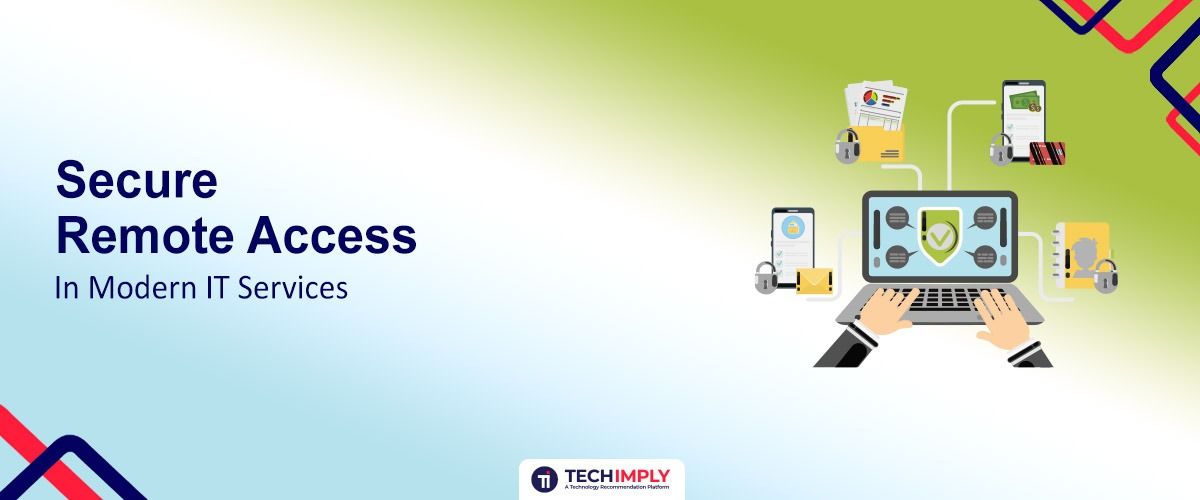
Learn how secure remote access and dedicated IP solutions improve IT infrastructure, remote work, and cybersecurity for modern software teams.
Software and IT services have evolved significantly in the past decade. With cloud computing, remote development environments, and globally distributed teams becoming standard, businesses now depend on reliable remote access to maintain productivity. Developers, system administrators, and IT professionals routinely access servers, databases, and applications from different locations. As this distributed model becomes more common, organizations must ensure that remote access is both secure and efficient.
Remote access is no longer just a convenience, it is an essential part of IT infrastructure. Whether supporting remote employees, managing cloud systems, or maintaining enterprise software, IT teams rely on stable connectivity to keep systems running smoothly. However, increased connectivity also introduces new security challenges, making secure remote access software critical for modern IT environments.
The Shift Toward Distributed IT Infrastructure
Traditionally, IT operations were confined within physical offices and on-premise servers. Employees worked within secure internal networks, and system access was tightly controlled. Today, businesses increasingly use cloud platforms such as AWS, Azure, and Google Cloud, enabling employees to access systems from virtually anywhere.
This shift offers numerous advantages, including:
- Greater workforce flexibility
- Access to global talent
- A faster deployment of software
- Improved scalability and infrastructure management
However, distributed infrastructure requires secure access mechanisms to protect sensitive systems from unauthorized access.
Without proper security measures, remote connections can expose critical assets such as source code, databases, and confidential business data.
Do You Know?
In 2026, many regulatory frameworks (such as NIS2 and DORA) have shifted from 72-hour to 24-hour mandatory breach reporting. Secure remote access is now a key factor in meeting these timelines, as it provides the granular logging and visibility required to identify an incident the moment it occurs.
Remote Access Challenges in Software and IT Services
IT professionals often access sensitive systems remotely to perform essential tasks, including:
- Server configuration and maintenance
- Application deployment and updates
- Database management
- Monitoring system performance
- Troubleshooting production issues
Each remote connection represents a potential entry point into an organisation’s infrastructure. If access is not properly secured, it could allow unauthorized users to exploit vulnerabilities.
Some of the most common remote access challenges include:
1. Security Risks
Public or unsecured networks can expose remote sessions to interception. This can compromise credentials or allow attackers to access sensitive systems.
2. Authentication Issues
Frequent changes in IP addresses may trigger authentication failures or security alerts, interrupting workflows.
3. Access Management Complexity
Managing permissions across multiple platforms, environments, and users requires careful coordination.
4. Compliance Requirements
Organizations must comply with data protection regulations such as GDPR, HIPAA, or ISO standards, which require secure access controls.
Addressing these challenges requires reliable tools and structured remote access strategies.
Remote Access for SaaS-Based Businesses
Software-as-a-Service (SaaS) companies operate entirely in digital ecosystems. Development, support, monitoring, and customer onboarding all rely on cloud-hosted platforms.
For SaaS providers, remote access must support:
- Global customer support teams
- Real-time infrastructure monitoring
- Application updates and patches
- Data analytics operations
- Secure handling of user data
Because SaaS companies often serve customers across multiple regions, they must also comply with varying data protection regulations. Secure remote access ensures that internal teams can manage systems without introducing unnecessary exposure.
As SaaS eecosystems expand, reliable connectivity becomes part of the customer experience. Downtime or delayed access directly affects service delivery and brand reputation.
The Role of Secure Connections in IT Operations
Secure connections protect data transmitted between users and systems. Encryption ensures that information cannot be easily intercepted or read by unauthorised parties.
Secure remote access supports several critical IT functions:
- Protecting administrative access to servers
- Maintaining secure connections to development environments
- Safeguarding confidential client data
- Ensuring safe access to internal business applications
These protections are essential for maintaining operational integrity and preventing unauthorised access.
How Stable IP Identity Supports IT Workflows
One challenge IT professionals often encounter is managing authentication systems that rely on IP-based verification. Many enterprise systems use IP addresses to verify user identity and restrict access.
Frequent IP changes can cause disruptions such as:
- Login failures
- Account lockouts
- Additional verification steps
- Interrupted workflows
Having a consistent IP identity helps reduce these interruptions and allows IT professionals to access systems more reliably.
One approach involves using solutions that provide a dedicated IP address, which enables users to maintain a consistent connection identity when accessing secure systems. This stability supports secure authentication workflows and simplifies access management in distributed IT environments.
Such solutions help IT teams maintain efficient workflows while adhering to security best practices.

Pro-tip
Even with a secure connection, permanent access is a risk. Combine your secure remote access tool with JIT policies, which grant administrative permissions only for the duration of a specific task. This minimises the blast radius if a remote device is ever compromised, as the attacker would find no standing privileges to exploit.
Supporting Remote Development Teams
Software development teams frequently work remotely, collaborating across time zones and geographic locations. Developers rely on remote access to:
- Access version control systems
- Connect to staging and production environments
- Run deployment pipelines
- Manage cloud infrastructure
Secure remote access ensures that development processes remain uninterrupted and protected.
In distributed teams, secure connections also support collaboration by enabling team members to access shared resources safely.
The Role of Remote Access in IT Scalability
Scalability is a defining characteristic of modern IT services. Organisations must be able to scale operations up or down based on demand. Remote access solutions contribute to scalability by enabling:
- Rapid onboarding of new team members
- Seamless expansion into new markets
- Flexible workforce distribution
- On-demand infrastructure management
Instead of being restricted by physical office locations, companies can hire globally and manage systems from anywhere. Secure remote fframeworks ensurethat scaling operations do not compromise security.
For growing IT service providers, this flexibility becomes a competitive advantage.
Enhancing Security Through Network Segmentation
Network segmentation is a critical security practice that divides systems into separate zones to limit access and reduce risk.
Secure remote access solutions help support segmentation by allowing organisations to:
- Restrict access based on identity
- Limit exposure of internal systems
- Control access to sensitive environments
This approach reduces the potential impact of security incidents.
Reducing Downtime Through Secure Connectivity
Downtime is one of the most expensive risks in IT operations. Even short service interruptions can impact revenue, client trust, and operational continuity.
Secure remote access helps minimise downtime by allowing IT teams to:
- Respond to alerts immediately
- Fix issues outside regular office hours
- Access systems during emergencies
- Maintain uptime during infrastructure transitions
When connectivity is reliable and secure, teams can resolve incidents faster. This responsiveness strengthens overall service reliability and client confidence.
Supporting IT Compliance and Governance
Many industries must comply with strict data security regulations. Secure remote access helps organizations meet compliance requirements by:
- Protecting sensitive data
- Ensuring encrypted communication
- Supporting access monitoring and auditing
- Preventing unauthorized system access
Compliance is especially important in sectors such as healthcare, finance, and enterprise software services.
Remote Access in Cloud-Based Infrastructure
Cloud computing has become the backbone of modern IT services. Organizations deploy applications and infrastructure in cloud environments to improve scalability and reliability.
Remote access solutions help IT teams:
- Manage cloud servers securely
- Monitor infrastructure performance.
- Perform system maintenance remotely
- Deploy updates and patches
Without secure access, managing cloud environments would be significantly more difficult.
Improving Operational Efficiency
Secure remote access not only protects systems but also improves efficiency. IT professionals can perform tasks quickly without needing physical access to servers or office networks.
This efficiency supports:
- Faster response to system issues
- Improved uptime and reliability
- Reduced operational delays
- Greater workforce flexibility
Organisations benefit from both improved security and enhanced productivity.
Supporting Modern Work Models
Hybrid and remote work models have become standard in the technology sector. Companies must provide secure access to employees working from home, coworking spaces, or while travelling.
Secure remote access enables employees to:
- Work from multiple locations safely
- Access company systems without compromising security
- Maintain productivity outside traditional office environments
This flexibility supports business continuity and employee satisfaction.
Reducing Risk in Distributed Systems
Distributed systems introduce complexity. Each connection, user, and access point represents potential risk.
Secure access solutions help mitigate these risks by:
- Encrypting communication
- Maintaining stable authentication
- Protecting sensitive infrastructure
- Supporting controlled system access
Reducing risk is essential for maintaining system reliability.
The Future of Remote Access in IT Services
As technology continues evolving, remote access will remain central to IT operations. Emerging trends include:
- Increased cloud adoption
- Growth of remote development teams
- Expansion of SaaS platforms
- Greater emphasis on cybersecurity
Organizations must continue investing in secure remote access solutions to protect their infrastructure and support modern workflows.
Conclusion
Secure remote access is a foundational component of modern software and IT services. As organizations adopt cloud computing and distributed work models, protecting remote connections becomes essential. Reliable and secure access supports productivity, protects sensitive systems, and enables IT teams to manage infrastructure effectively. By implementing structured remote access strategies, organizations can ensure their systems remain secure while supporting flexible and efficient operations. As technology continues advancing, secure remote access will remain a key pillar of resilient and scalable IT infrastructure.