
Behind every chart, click, or conversion, there’s a story. That’s where qualitative analysis comes in. Unlike numbers that only show what happened, qualitative analysis uncovers the why — giving you deeper insight into human behavior, opinions, and experiences.

Looking for Qualitative Data Analysis Software?
Check out Techimply's List of Top Qualitative Data Analysis Software in India for your business.
In this blog, we’ll break down what qualitative analysis really means, how it works, and why it matters especially if you care about knowing people, not just data. Whether re exploring company culture, customer feedback, or brand perception, this guide will help you see how qualitative analysis can add meaning to the metrics.
What is Qualitative Analysis?
Qualitative analysis means taking a closer look at things like interviews, feedback, and everyday observations. It helps you get what people are thinking and feeling — and more importantly, why they’re doing what they do. This approach is different from quantitative analysis in business. While quantitative analysis looks at numbers and stats, this method focuses on stories, emotions, and reasons behind actions.
It’s widely used in research, business, and even in fields like the qualitative analysis of organic compounds. This qualitative approach helps uncover patterns, themes, and qualitative aspects that numbers alone can’t show. Common qualitative analysis methods include coding, thematic analysis, and content review — using various qualitative tools for evaluation.
Let’s Understand People Through Qualitative Analysis
People are more than data points — they’re full of stories, emotions, and unique perspectives. That’s where qualitative analysis comes in. Instead of focusing on numbers, it dives into words, behaviors, and patterns to reveal why people think, feel, and act the way they do.
Qualitative evaluation helps you understand the human side of data. It lets you read customer feedback and find themes in interviews. It's not only about collecting information. It's also about understanding it in a way that connects and helps make better decisions.
Because understanding people? That’s where real insight begins.
What is Company Culture and Qualitative Analysis
Company culture is the personality of a workplace the values, behaviors, and everyday vibes that shape how people interact, collaborate, and grow. But there are the things: culture can’t always be measured with numbers.
That’s where qualitative analysis steps in. By using qualitative data like employee feedback, interviews, and observations, businesses can explore the real experiences behind their culture — not just stats on a dashboard.
Interesting Insight
Studies show that companies with a strong culture see up to 4x higher revenue growth. And the best way to measure that culture? You guessed it — qualitative feedback from the people living it every day.
Leaders can use methods like thematic coding or sentiment analysis. These methods help them find hidden patterns. They can see what is working and what is not. This way, they can make informed decisions that focus on people. Unlike purely quantitative in business, this qualitative approach captures the heart of workplace dynamics.

Fact
If numbers tell you what’s happening, qualitative analysis tells you why. And when it comes to company culture, that's what makes all the difference.
What is Qualitative Data?
Qualitative data is all about the details you can’t measure with numbers. It captures the tone of a conversation, the reason behind a decision, or the emotion in a customer’s review. Think words, stories, and observations — not charts and percentages.
In qualitative analysis, this kind of data helps uncover the qualitative aspects of a situation like motivations, behaviors, or cultural insights. Whether exploring employee feedback, customer interviews, or social media responses, re working with qualitative data.
Unlike quantitative in business, which focuses on measurable results, qualitative and quantitative analysis together give you the full picture — both the what and the why. With the right qualitative tools and analysis methods, businesses can make smarter decisions rooted in human understanding.
It’s a core part of the qualitative approach — and a powerful way to turn messy conversations into meaningful insight.
What are the Qualitative Data Analysis Methods?
When it comes to making sense of words, opinions, and experiences, qualitative data analysis methods are your tools. These methods help you spot patterns, themes, and insights hidden in numerical data like interviews, ended survey responses, or even social media comments.
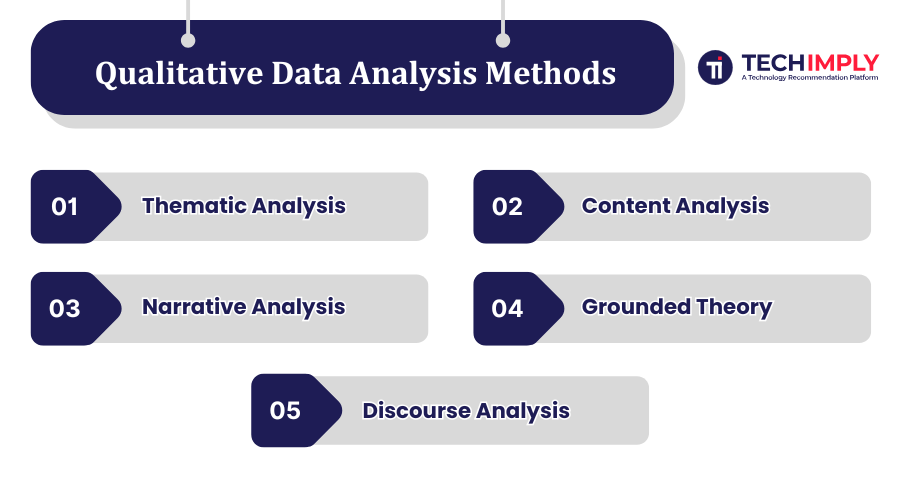
Some popular methods include:
1. Thematic Analysis
Spotting recurring themes or ideas across your data.
2. Content Analysis
Categorizing words or phrases to understand trends.
3. Narrative Analysis
Digging into stories to understand how people make sense of events.
4. Grounded Theory
Building new theories based purely on what your data reveals.
5. Discourse Analysis
Studying how language is applied in real-world conversations.
Did you know?
90% of the world’s data is unstructured — meaning it’s made up of emails, videos, chats, and feedback that only qualitative analysis can truly understand.
What are the Differences Between Qualitative Analysis and Quantitative Analysis?
Quantitative analysis speaks in numbers — percentages, charts, and data points. It tells you what’s happening in clear, measurable terms. Great for stats, trends, and making data-driven decisions. Qualitative analysis, on the other hand, speaks in stories. It dives into emotions, motivations, and experiences. It tells you why it’s happening — by analyzing words, behaviors, and context.
Here’s a quick comparison:
|
Aspect |
Qualitative Analysis |
Quantitative Analysis |
|
Type of Data |
Words, observations, opinions |
Numbers, metrics, statistics |
|
Goal |
Understand meaning & motivations |
Measure & quantify patterns |
|
Methods Used |
Interviews, open-ended surveys, themes |
Surveys, experiments, numerical reports |
|
Tools & Techniques |
Coding, thematic analysis, interpretation |
Graphs, formulas, statistical tools |
In short:
Quantitative = What + How many
Qualitative = Why + How
When used together, they create a full picture — insight powered by both heart and logic.
Let's Consider this with an example -
Let’s say you run a pizza shop and want to understand how your customers feel.
Quantitative Analysis Tells You:
- 78% of customers gave you 4+ stars
- You sold 520 pepperoni slices last week
- Delivery time averages 23 minutes
This is the what, how many, and how often. It's all about numbers, stats, and trends.
Qualitative Analysis Tells You:
- "The crust was too chewy."
- "The packaging felt wasteful."
- "Your staff made my kid’s birthday awesome!"
This is the why, how it felt, and what people really think. It’s about words, context, and emotion.
While quantitative gives you the big picture, qualitative fills in the details.
Together, they help you make smarter decisions that actually connect with people.
What Are the Steps in Qualitative Analysis?
Qualitative analysis is like solving a mystery. It is full of stories, patterns, and meaning. This process helps turn raw feedback into valuable insights that numbers alone cannot give. Here's how the process typically unfolds:
Think of It Like Detective Work
You’re not crunching numbers — you’re uncovering hidden stories, emotions, and patterns people might not say outright.
1. Collect the Data
Start with interviews, open-ended surveys, observations — anything that captures real, human input.
2. Prepare the Data
Organize transcripts, notes, and recordings. Clean up the chaos so it’s ready to be explored.
3. Code the Data
Break it down into smaller pieces by tagging keywords, phrases, or ideas — this helps you spot recurring themes.
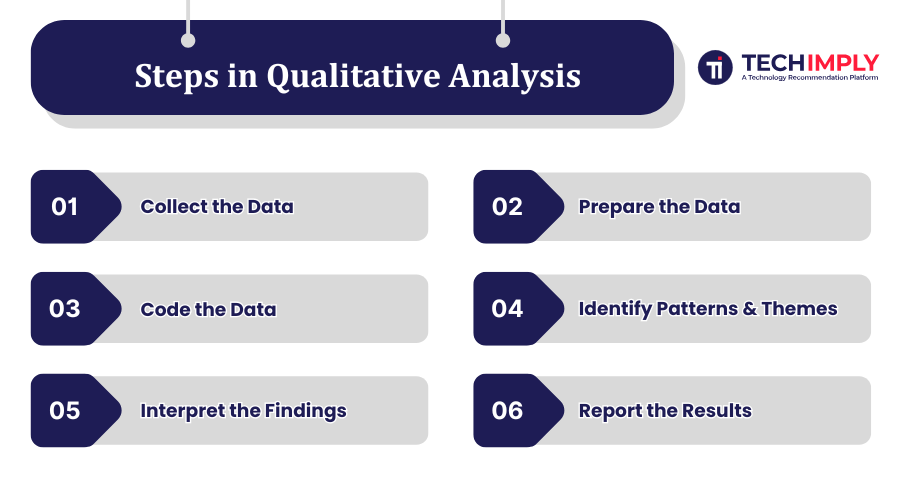
4. Identify Patterns & Themes
Look for connections, trends, or surprising insights that start to emerge across responses.
5. Interpret the Findings
Dig deeper into what those patterns actually mean in context — what are people really saying?
6. Report the Results
Turn your findings into meaningful stories, backed by quotes and real-world insights — not just charts.
Where Is Qualitative Analysis Used?
Qualitative analysis is used in all kinds of fields where understanding people really matters. In business, it helps companies learn what customers think and feel. In marketing, it’s used to explore how people see a brand. Teachers and schools use it to understand how students learn. Even in healthcare, it helps doctors and researchers learn about patient experiences. Basically, if you want real insights — not just numbers — qualitative analysis is the way to go.
Conclusion
While numbers give you direction, qualitative analysis gives you context and is the key to truly grasping people, their motivations, emotions, and decision-making processes. From analyzing company culture to improving business strategies, qualitative insights bring the people element to driven decisions. Now that you understand qualitative analysis, how it works, and where it is used, you are ready to use it fully. If you have a business, do research, or are curious about human behavior, this approach can help. It allows you to ask better questions and find deeper, more meaningful insights.

.png "Email marketing tips to improve your ROI")