Customers are the lifeblood of any business. All the efforts and goals of a company revolve around acquiring them, keeping them happy, and building loyalty. But doing that in practice is far more difficult than said.
This is why customer relationship management (CRM) exists. And it matters more in 2025 than ever before. Why? Because the market is crowded, buyers have more choices, and loyalty is fragile these days. A good CRM software can be the difference between growth and decline, but only if managed well.
If you’re struggling with managing your CRM system, don’t fret as you’re not the only one. There are many others in the same boat as you because how to use this technology can be tricky.
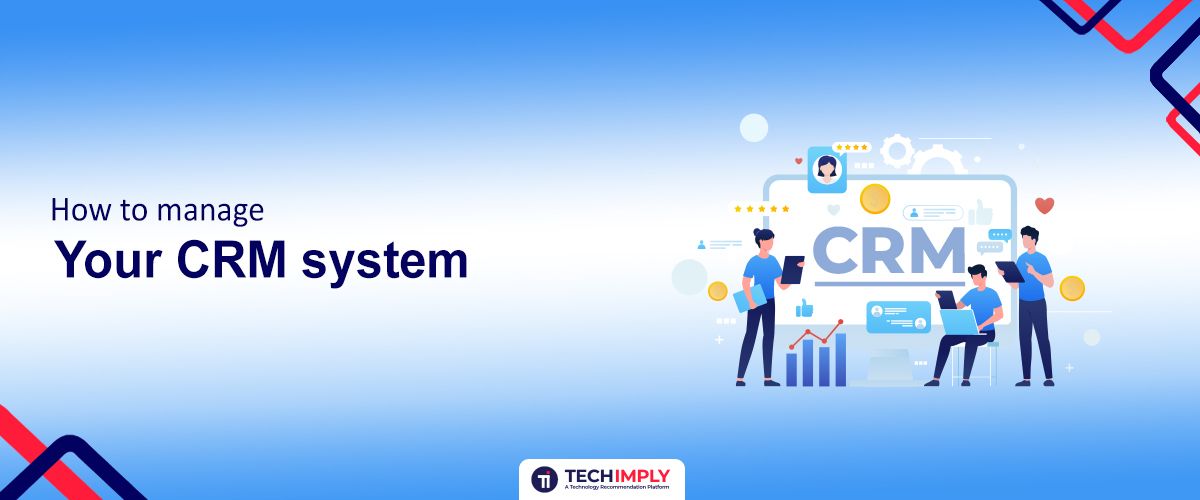
In this article, you’ll learn how to use CRM for your business effectively. It will give you a comprehensive guide that you can follow in any CRM platform or vendor.
What is a CRM system and why are they difficult to use?
CRM software are tools that track every deal, call, and customer that interacts with your business. These systems are used by companies to manage their sales pipelines, client interactions, and information.
In other words, a CRM system is your central repository for storing and analyzing all your customer data. There are several CRM vendors in the market. Here are some of the most popular CRM systems:
-
HubSpot
-
Zoho CRM
-
Pipedrive
-
Microsoft Dynamics 365
Running a business has become more complex due to advancements in technology and changing customer preferences. As a result, Online CRM Software have also gotten more advanced and complex to use.
Modern CRM systems have a nested network of fields, clicks, and rules that can be really confusing to new users. Sometimes, teams can get lost on the way and forget what they were trying to achieve in the first place.
CRMs are supposed to make work simple, but this complexity does the opposite.
Mastering CRM management in 2025 to drive business growth
Follow this guide to a T to effectively manage your CRM system and deliver results.
1. See CRM as the Core
A CRM system is no longer just a software. It is the heart of the business. It tracks leads, drives campaigns, and tells you if your customers are happy or if they are about to leave.
In 2025, treat your CRM like an operating system for your company. Not a side tool. Not a database.
-
Make sure everyone uses it, including sales, marketing, service
-
There should be no “shadow systems” or private spreadsheets
2. Keep the Data Clean
A CRM is only as good as the data inside it. Dirty data kills trust. Duplicate records waste time. Wrong numbers ruin reports.
In 2025, data moves fast. AI enriches contacts. Integrations pour in signals from email, social, chat, and voice. You need rules.
-
Run monthly audits
-
Deduplicate
-
Verify emails and phone numbers
-
Train staff to enter clean data
If the CRM is the heart, clean data is the blood. Keep it healthy or the body will fail.
3. Automate the Simple Things
Time is scarce. Reps must sell. Marketers must plan. Service teams must solve. Don’t bury them in clicks.
CRMs in 2025 come with strong automation. Therefore, use automation to your advantage.
-
Auto-assign leads by territory
-
Trigger follow-up emails after meetings
-
Remind sales reps when deals get cold
-
Create tasks automatically from customer chats
Automation is to free your CRM team from unimportant tasks. Let humans do what they do best: connect.
4. Use AI as a Guide
AI sits in every modern CRM now. It predicts churn, suggests the next steps, and drafts emails.
This is powerful. But dangerous if misused.
Don’t hand over judgment to the machine. Use AI as a second set of eyes. As a coach whispering advice. The rep still makes the call, while the manager is still making the decision.
Trust AI to sharpen you. Never to replace you.
5. Train Relentlessly
CRM Development are not static. For example, features constantly change in Salesforce, integrations evolve, and workflows shift. That is why your team must keep up. Build a quarterly playbook for salesforce messaging and Salesforce SMS automation, covering template updates, opt-outs, and auditing conversations on records.
Run training often, which is short, focused, and hands-on.
-
When a new feature launches, show it
-
When mistakes rise, run a refresher
-
When new people join, train them on day one
Good training builds habits. Habits build consistency, and consistency makes CRM data strong.
6. Watch the Metrics That Matter
CRMs can drown you in dashboards. Too many charts mean too much noise.
Cut through it. Focus on what drives the business.
-
Lead response time
-
Pipeline velocity
-
Win rate
-
Customer satisfaction
-
Churn rate
Pick a few. Measure them weekly. Review them with the team. If they move the wrong way, act fast. If they move the right way, double down.
The power of CRM is not just in the data collected. It is in the action it drives.
7. Integrate Across the Stack
A CRM alone is not enough. In 2025, businesses run on ecosystems. Marketing automation. Customer support, finance, e-commerce, and product usage data.
Integrate them to break silos.
-
Connect CRM with your marketing platform for seamless campaigns
-
Pull billing data into CRM to see customer lifetime value
-
Sync product usage so reps know if customers are active or idle
-
Tie in support tickets so account managers see the full story
A CRM that talks to all systems gives a single truth. That truth drives better decisions.
8. Secure It Like Fort Knox
Customer data is gold. Not just for you but hackers also want it. Therefore, regulators want it guarded, and customers expect it to be to be safe.
In 2025, compliance and security are non-negotiable.
-
Enforce multi-factor authentication
-
Control access by role
-
Encrypt data at rest and in transit
-
Keep logs of changes and access
-
Stay aligned with GDPR, HIPAA, and local laws
Security is not just IT’s job. Every user is a guardian of data. One weak password can undo the whole system.
9. Keep the Human Touch
CRM is about relationships. Not just records. So, don’t let it turn your people into robots clicking boxes.
Remind teams that the CRM is a tool to understand customers, not to hide behind it. Use notes to capture real context. Use reminders to follow up with empathy.
Technology helps you scale relationships. But the warmth must come from humans.
10. Review, Refine, Repeat
Managing a CRM is a constant task that you need to review and refine over time.
-
Review processes quarterly
-
Gather feedback from users
-
Cut features that add friction
-
Add fields only if they matter
-
Keep it lean. Keep it useful
The best CRMs are not the most complex. They are the most adopted.
11. Future-Proof Your System
2025 is not the end. Change is the only constant. Your CRM must adapt.
-
Choose platforms that evolve fast
-
Keep APIs open for new integrations
-
Test new features in pilot teams before rollout
-
Stay informed on trends like conversational AI, predictive analytics, and industry-specific modules
Think of your CRM as a living system. You need to feed it, train it, and evolve it with changing needs.
12. Leadership Sets the Tone
Tools fail when leaders don’t use them. If managers don’t log in, why would reps? If executives don’t read reports, why should teams enter data?
Leadership must set the example. Use the CRM to review dashboards. Praise clean data. Correct bad habits. And remember, culture makes or breaks a CRM, and leaders define the culture.
Conclusion
CRM platforms are like the F-16. They are highly effective, agile, and things of beauty in their respective field. However, they are also complex to operate and require continuous upkeep after every run phase.
Struggling to manage your CRM system is not something to worry about. But if you’re not doing anything to improve the situation, it should ring some alarm bells. The guide that we have provided should get your CRM system in optimal form. All major CRM platforms have some common underlying principles, and we have developed this guide that addressed those common paint points.
However, if you want specific CRM management solutions for your product, you can go to the vendor’s official website for solutions and fixes. Salesforce, HubSpot and the likes have their own community pages where users like you share their common problems, and people give their feedback to solve their predicaments.
Maybe someone has already answered how to solve a particular problem that you’re struggling with? So, do your research online and connect with people to learn more about CRM management and troubleshooting.