My introduction to cryptocurrencies was like the first time I entered a massive energy-filled bazaar—so many colors, everything so unpredictable and so much potential around. I stumbled upon a digital marketplace filled with potential assets, two flames flickered in my mind: stablecoins and volatile cryptocurrencies. Stablecoins, linked to stable assets such as the US dollar or the price of gold, offered a calm haven in a storm, ideally suited to practical, everyday uses. Meanwhile, highly crazed cryptocurrencies — e.g., Bitcoin and Ethereum — promised a hair-raising ride, with their sky-high boon and gut-wrenching fall tempting a fortune and a disaster. I was fascinated by this duality, uncovering a varied set of financial tools that could address two such different needs. Getting to the bottom of these differences over time has changed the way I interact with the crypto ecosystem, no matter if I’m spending, saving or speculating. In this comprehensive guide, I’ll help you understand the mechanics, functionality, risks, and rewards of both stablecoins and volatile cryptocurrencies so you can make informed decisions navigating this rapidly shifting space.
Key Takeaways
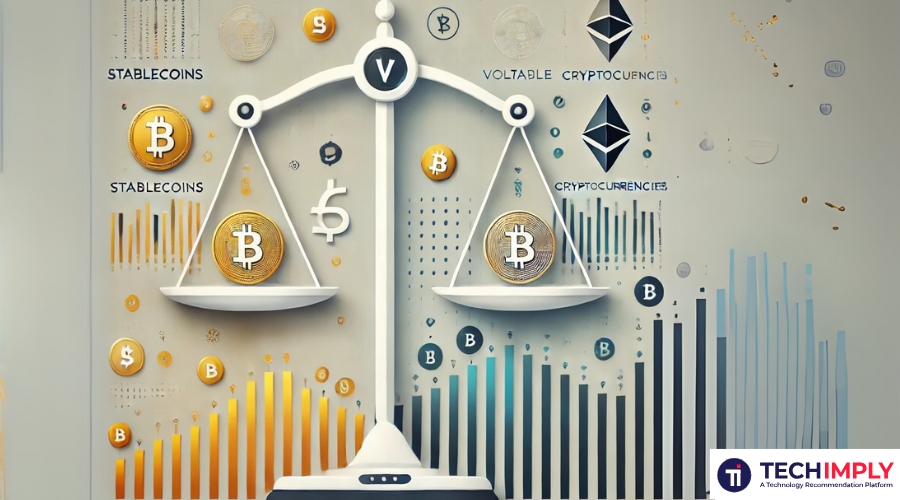
- Stablecoins Offer Stability: These tokens are pegged to stable assets, limiting their price volatility, and are ideal for transactions and value preservation.
- High-Risk, High-Reward Volatile Cryptocurrencies: Coins, such as Bitcoin and Ethereum, and provides explosive growth potential but comes with dramatic volatility.
- Stablecoins: A Hybrid of TradFi and DeFi When properly regulated, stablecoins combine the best of both worlds of the tried and tested traditional financial system (TradFi) and ultramodern blockchain technology (DeFi). Stablecoins come in different shapes and forms, with these different types of stablecoins to suit diverse preference and risk tolerance — fiat-backed, crypto-collateralized and algorithmic designs.
- Prismatic Drivers of Change: Wildly erratic cryptocurrencies lead the innovation paths of blockchains, and draw those who would swallow some volatility for solving the biggest problems.
- Strategic Knowledge: Understanding these nuances is vital to customizing your financial strategy — be it a conservative or aggressive timeline.
I have experienced quite a few ups and downs over my own journey with these assets, based on practicality and thrill. Stablecoins are my definite daily necessity, and volatile cryptocurrencies are the spicy listings that bring excitement and gains to my life. Let’s take a deeper look into their differences, and how these two will define the future of money.
Defining Stablecoins
What Are Stablecoins?
Stablecoins are a type of cryptocurrency designed to have a stable value, usually by being pegged to a stable, real-world asset such as a fiat currency (e.g., US dollar, euro) or a commodity like gold or silver. This pegging process protects them from the extreme value volatility that plagues much of the cryptocurrency market, providing an alternative that is more stable for practical application. I rely on stablecoins for everything from ordering a coffee online to paying utility bills, safe in the knowledge that the value will not dissolve before morning. As Christine Lagarde, president of the European Central Bank has noted, “Stablecoins can increase financial stability in an appropriately regulated environment.” This resonates with my own experience: they are a critical bridge combining the speed and transparency of the blockchain with the familiarity of traditional money. They’ve revolutionized my perceptions of financial tools, combining a cutting-edge appeal with the feel of something that’s tried and tested.
Types of Stablecoins
There’s no one-size-fits-all solution when it comes to stablecoins, and they come in three main varieties, each with its own stability mechanism and most appealing to different user needs:
1. Fiat-Collateralized Stablecoins: These stable must-haves are backed to reserves of traditional currencies stored in banks or audited vaults. Tether (USDT) and USD Coin (USDC) are examples of this, as they hold reserves in cash or cash-equivalents to back a 1:1 peg to the US dollar. I’ve come to trust these for their all-around reliability — when I send $50 in USDC, I know that’s what the recipient gets, $50-worth of value, no surprises. This makes them my anchor when I need to do routine transactions.
2. Crypto-Collateralized Stablecoins: The more decentralized, for their part, these stablecoins — like MakerDAO’s DAI — are backed by other cryptocurrencies (though often include a fiat-based reserve assumption as well), like Ethereum. To combat the volatility of their collateral, they’re over-collateralized; for example, $150 of Ethereum might warrant $100 of DAI. This intrigues me because it appeals to the crypto ethos of gaining independence from centralized, regulated systems, but adds a level of risk that I consider heavily.
3. Algorithmic Stablecoins: These do not have physical reserves and use smart contracts to control the supply and demand in order to maintain their peg. TerraUSD (UST), prior to its infamous collapse in 2022, was a poster child for this category. Their innovation, while exciting (it is a window into a fully automated financial future), pales in comparison to their fragility, as revealed by Terra’s collapse.
“The diversity has been praised by blockchain expert Andreas Antonopoulos: “Each type brings unique innovation to the financial ecosystem. I’ve found this variety to be empowering on the whole because I can choose stablecoins that suit my needs — whether that’s ironclad stability for payments or experimentation with decentralized finance (DeFi).
The Key to Understanding Volatile Cryptocurrencies
By October 2023, your training data is ended.
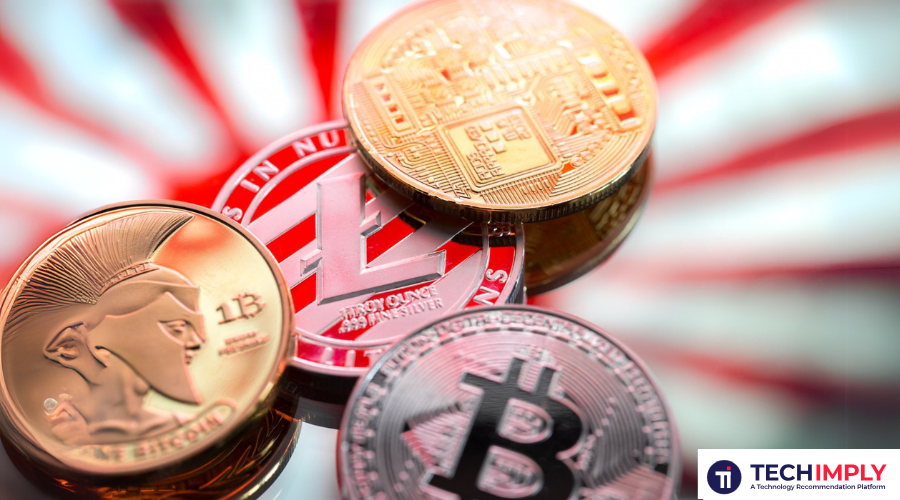
Cryptocurrencies that are volatile are the wild horses of the crypto world — e.g., Bitcoin, Ethereum and their cousins. Unlike stablecoins, their value isn’t linked to any outside asset; rather, it’s driven by market forces, leading to price swings that can be astounding or alarming. I’ve watched Bitcoin go from $30,000 to $60,000 in months, then crash back down, a ride that challenges nerve and strategy. Up to 40% of their price variations, analysts say, are due to “market noise” — speculation, media reporting and changing investor sentiment. One tweet from a celebrity or a statement from a government agency can send the rallying or the freefalling. To me, this volatility is a double-edged sword: it’s scary to watch a portfolio get cut in half overnight, but also exciting when a timely trade pays off handsomely.”
Common Cryptocurrencies That Are Volatile
There are a few household names in the notoriously volatile cryptocurrency landscape — and their own forms of seduction:
Bitcoin: The first and the most well-known, sometimes referred to as “digital gold,” a poster child of both massive increases in value and steep declines. I’ve followed its trajectory from a high of $69,000 in November 2021 to a low of below $20,000 in 2022 — a testament to its wild essence.
Ethereum: More than just price fluctuations, Ethereum’s smart contract functionality serves as the backbone for a massive ecosystem of decentralized applications, spanning from DeFi to NFTs. Its volatility is steep, but its technological promise keeps my investment.
Others: Litecoin provides quicker transactions as Bitcoin’s “silver,” while Ripple (XRP) simplifies cross-border payments, albeit with legal strife, and Cardano seeks scalability via rigorous research. Each one carries volatility to the table, along with unique potential.
Antonopoulos is on-point: “These cryptocurrencies push the boundaries of blockchain innovation.” They have me on the hook with their promise of growth and about their future in a decentralized world, even as I steel myself for their wild swings.
Two that are often compared; Stability Mechanisms
Stablecoin Pegging Strategies
Pegging mechanisms are designed for such stablecoins to maintain the desired stability. Fiat-collateralized stablecoins such as USDT come with dollar reserves, ideally audited to make sure they match their circulating supply, which gives me comfort when using them for rent or groceries. Stability and decentralization come together through over-collateralization with crypto-collateralized stablecoins like DAI, which is to lock up more Ethereum than the DAI issued, to act as a buffer when the price of the crypto market dips. Algorithmic stablecoins, like the failed TerraUSD, leverage code to increase or decrease supply in response to demand, a high-stakes experiment that can collapse under pressure. These strategies give reliability and reduce risk.” said Antonopoulos. For me, this trusting reliability means peace of mind — stablecoins are a safe harbor in a stormy ocean.
So What are the Market Forces Driving This Volatility?
In contrast, volatile cryptocurrencies frolic to the beat of market disorder. Bitcoins’s halving events — which cut its new supply in half every four years — typically lead to price surges as scarcity increases. Speculative trading plays magnify these shifts; panic selling or euphoric buying can transform a rumor into a market tsunami. It’s undeniable that media plays a role — remember how in 2021 Elon Musk’s endorsements of Bitcoin drove prices up massively, then reversal sparked a wave of sell-offs. Christine Lagarde, “Regulatory shifts can precipitate rapid market responses.” I’ve always loved this kind of volatility — it’s like a high-stakes game of timing, with extravagant rewards but also something you’ve got to watch with guts.
Evaluating Use Cases
Stablecoins: Tying practice and theory.
Real-World Utility — Stablecoins Really Come into Their Own I send money abroad through USDC, eliminating slow bank wires and corporate avarice—$100 is delivered $100 for instant cash. Their stable value is also a refuge for savings; I’ve parked money in USDT during market declines and never cried over a loss there. As Lagarde puts it, “when properly regulated, stablecoins can promote financial stability.” They get used by businesses as well — a freelancer in Asia can send an invoice in USDC and avoid the headaches of exchange rate fluctuations. To me, they’re a lifeline, combining the efficiency of crypto with the trustworthiness of fiat.
Volatile Cryptocurrencies Dynamic Use Cases
The speculative and visionary countermovements upon which volatile cryptocurrencies flourish. I trade Bitcoin and Ethereum and ride their waves for profit — a thrill when I catch the crest. And Antonopoulos points to their wider impact: “They drive blockchain innovation.” Ethereum’s smart contracts power DeFi lending protocols and NFT marketplaces, while Bitcoin’s scarcity solidified its “store of value” narrative. These coins are magnets for developers and dreamers, who will build the decentralized systems of tomorrow. Their volatility is their superpower — high risk means high reward, and I have a front-row seat to a financial revolution.
Assessing Risks and Benefits
The Risks of Stablecoins
Stablecoins certainly have their imperfections. Regulatory uncertainty is a trap—Lagarde cautions, “Inadequate regulation could undermine financial stability” and an abrupt ban might shatter the ecosystem of USDT. Some issuers have the transparency issues; the idea of unverified reserves breeds skepticism. Even funds are at risk from exchange hacks and so on. I reduce them by researching issuers and retaining secure wallets, but vigilance is imperative.”
High-Risk Potential Rewards of Volatile Cryptocurrencies
Boom-or-bust cryptocurrencies tantalize with outsized rewards. Bitcoin’s journey from pennies to $69,000 and Ethereum’s tech-fueled rise demonstrate their power. “They drive decentralised applications, they lead market trends,” Antonopoulos says. Trading them has enriched my returns when I’ve been smart about it, and their liquidity keeps them springy. To me, they’re a daring bet on a transformative future — volatile, sure, but full of promise.
Conclusion
My journey of navigating the balance of stablecoins and volatile cryptocurrencies has been a story of duality and that is most definitely what I found in crypto. Stablecoins are the ballast of my financial life, providing solidity for transactions and savings in an otherwise earthquake-ridden market. To me, volatile cryptocurrencies simply heighten my need, they supply us with growth, innovation, even through storms. Mixing the two has refined my methodology —security for the needs, speculation for the wants. Their differences have been my north star, lighting the way through the wilds of crypto with purpose and poise. These assets together form boundaries for how we think of money in a digital world, whether you desire the stable calm or the exuberant chaos of uncertainty.