


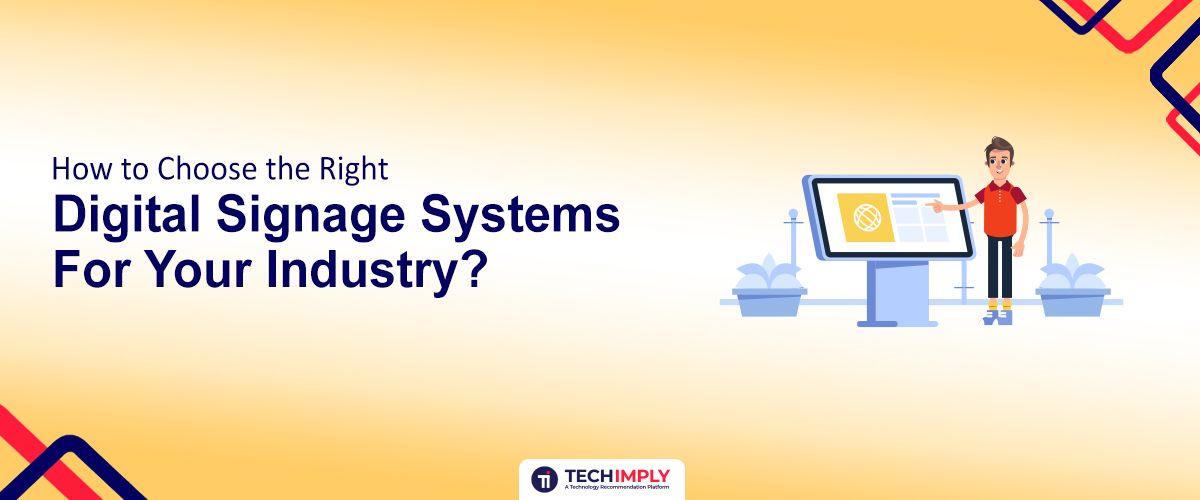
Digital signage is everywhere these days, isn’t it? Those big screens in shopping malls show ads, shopping perks, discounts, etc., to keep people engaged. Small interactive kiosks in hospitals and hotels also have these digital signage systems, but for entirely different reasons. One thing is clear, though. This technology is changing how businesses engage with their customers.
If you’re planning to promote your latest sale or want to update your customers with important information, but you’re unsure which digital signage system is suitable, we’ll help you find the solution. Learning about the digital signage systems that suit your industry can make all the difference. We’ll help you see how to choose a system that works best for your business.

What Exactly Are Digital Signage Systems?
Digital signage systems are screens (such as LED, LCD, and even projectors) that display dynamic content, including images, videos, and text. They can display whatever you need, including promotional ads and real-time updates. If you want to use them for customer interactions, that’s possible, too. Businesses use them to communicate with their audience, whether that’s sharing information or advertising their services.
Digital signage systems can truly be a powerful tool for grabbing people’s attention and keeping them engaged. Whether you're a retail store trying to promote your products or a hospital looking to guide patients through your facilities, a well-chosen digital signage system can make the experience so much better, and your customers or patients will soon tell you how much they appreciate it.
What’s Your Goal for Using Digital Signage?
Before the technology-related details consume your thoughts entirely, stop and think: What exactly do you want to achieve with your digital signage? The right system for you depends on your goals. Are you advertising, or do you want to keep people updated and informed? Is it a combination of these two functions?
For example, if you're in retail, digital signage might be all about displaying product promotions, seasonal discounts, new arrivals, If you run a casino, you might use digital signage for casinos to display jackpot winners, event announcements, or live game stats to attract attention. or something else that brings people to your store. If you run a hotel, you may need a solution that provides guests with information on local attractions, amenities, events, etc. Schools and universities lean on digital signage for schools to push announcements, timetables, and emergency alerts to students and staff. And if you’re in healthcare, your goal might be more about wayfinding and providing patients with critical information, such as wait times and safety instructions.
When you know your primary objective well, you can make better decisions. Are you looking for something sleek and easy to manage for promotional purposes? Or do you need a system that can integrate with your existing tools to deliver more real-time, interactive content? Once you figure that out, you can start looking at features that fit.
Picking the Right Size and Type of Display
Now that you know your goals, it’s time to think about the displays themselves. The size and type of screen you use will depend a lot on where and how it’ll be used.
-
Screen Size: Where will your screens be placed? If it’s in a large space, such as a shopping mall or outdoor setting, you’ll need larger, brighter screens. If it’s for a small office or lobby, you won’t need anything too massive. Also, think about how far away people will be from the screen. If it’s close up, a smaller screen might do the trick.
-
Display Type: Most businesses use either LED or LCD screens, but consider the environment in which you’re working. If your signage will be outdoors, you’ll need screens that can withstand the elements. For indoor spaces, you can focus more on high-resolution displays and sharper image quality.
Also, don’t forget about where you’ll place the screens. Will they be wall-mounted or free-standing? Are you thinking about hanging them from the ceiling (like at the airports)? The setup will influence the type of system and hardware you’ll need.
Keeping It Simple with Content Management
The beauty of digital signage lies in how easily you can update its content. Some systems are easy to use, while others can be a bit of a challenge. If you’re running a small business or you’re just starting with digital signage, you’ll probably want something that’s easy to update.
In such cases, look for a system with an intuitive content management system (CMS). It should allow you to drag and drop images, videos, or text onto your screens. The simpler, the better; after all, you don’t want to spend hours trying to figure out how to update an ad.
If you’re a big company with complex needs, you’ll need a CMS that’s a bit more robust. A system that allows you to control all your screens remotely can help you save time, particularly if you operate across multiple locations. You’ll also want something that can schedule content ahead of time and update it automatically. Additionally, it should include features for quick troubleshooting.
Cloud-Based or On-Premise: What’s the Difference?
You’ve probably heard of both cloud-based and on-premise digital signage systems, but what’s the real difference? How will you know which one is right for you?
-
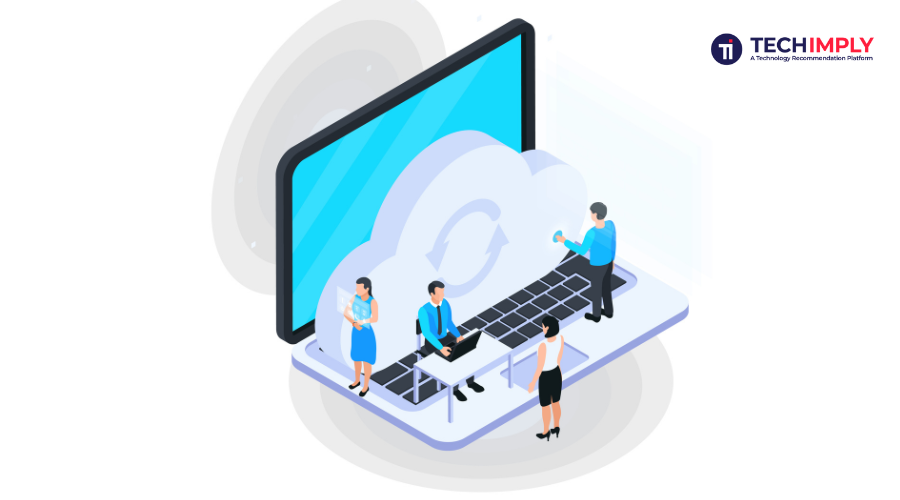
Cloud-Based Systems: These are popular because they enable you to manage your displays from anywhere you like: home, office, or any other place. You can update your content in real-time and monitor performance. Troubleshooting remotely is also possible. Plus, cloud systems are usually automatically updated and backed up, which means less stress for you.
-
On-Premise Systems: These systems are managed locally, so you have more control over your data. If you’re dealing with sensitive information or just prefer to keep things in-house, on-premises might be the best option. However, they may require more IT support and maintenance, so you’ll need people to keep things running smoothly.
Businesses prefer cloud-based systems because they’re flexible and scalable. You will also find that these systems are easy to maintain, especially for companies with multiple locations. If frequent updates are routine for your business, nothing beats cloud-based systems.
Interactive Features for a Better Experience
If you want to really stand out, digital signage systems with interactive features might be what your business needs. Interactive signage is excellent for engagement, and customers enjoy a more personalized experience.
For instance, in retail, interactive kiosks allow customers to browse products and check prices. They can also place orders. In hotels, self-service kiosks enable guests to check in, book activities, explore local attractions, view the restaurant menu, and more. In museums or galleries, interactive displays can provide visitors with more detailed information about exhibits or guide them through the space.
If your business thrives on customer interaction, installing interactive signage is a wise decision. It turns passive viewing into an active experience and leaves a positive impression on your audience.
Integration with Your Existing Systems
No business operates in a vacuum. We all know that! The digital signage system you choose should integrate smoothly and work with your existing tools. For example, if you run a retail store, you probably want your signage to update automatically based on inventory changes or new promotions in your POS system.
In healthcare, you may want your signage to get data from appointment scheduling software or alert patients to changes in real-time. Consider how the digital signage will integrate with all your existing systems. After all, this can save you time and reduce manual work.
Balancing Cost with Value
The next point to consider is the budget. Digital signage can be an investment, but it need not be a huge expense. The trick is to find a system that offers good value for the price.
Don’t go for the cheapest option. A budget option is always tempting, but only the right digital signage system will meet your existing needs and grow with your business. A little more upfront expenditure can mean getting a more reliable and user-friendly system. The total cost of ownership should include not only the purchase price but also ongoing software subscriptions, maintenance, content creation costs, and other related expenses. That’s when you can rest assured that there will be no need for upgrades or changes in the near future.
Scalability Matters When Business Grows
If you plan to add more locations or increase the number of screens you use, your digital signage system should scale with your growing business. You don’t want something that works today but won’t support your future needs. Look for systems that offer flexibility, such as the ability to add more screens, new features, new software, and more.
Final Thoughts
The right system can make all the difference; we can all agree on that. Choosing the right digital signage system may seem like picking a screen at random and hitting “play”, but it’s not. It’s about noting your goals and budget. How the system fits into your overall strategy is also a crucial decision to make.
The right digital signage system works for every enterprise, small and large. It can enhance your communication and improve customer engagement. Take your time, consider your needs, and choose a system that works for you now and in the future as your business grows.


.jpg "How Social Commerce is Changing the Online Shopping Experience")


