
There's a pattern across most ai writing tools: the output looks right until you actually read it. Sentences hold together. Structure makes sense. But somewhere in the second paragraph, you realize it could have been written about anything same sentences, different nouns. That's not a technical failure. That's succeeding at everything except the part that makes writing useful.

Looking for AI content writing tools?
Check out Techimply's List of the Best AI Content Writing Tools in India for your business.
In 2026, a smaller group of ai writing tools has genuinely moved past that problem. Not completely no tool here writes the way a skilled human does, but close enough to change how real work gets done. These eight were tested on actual tasks, not curated prompts. Here's what each does well, where each breaks down, and who each is actually built for.
What Are AI Writing Tools?
AI writing tools use large language models to help people write, edit, generate, or improve content. Some work as a full AI writing assistant that handles everything from a prompt. Others are editing layers. Some are built around SEO data. One exists purely for fiction.
What the best ai writing tools share: handle the mechanical parts so humans focus on what requires thinking. First drafts, structure, reformatting AI. Voice, judgment, originality human.
How We Tested & Evaluated These Tools
Same brief across every tool: 600-word blog post, product descriptions, editing a rough paragraph, short-form marketing copy. Output quality, consistency, ease of use, and whether results needed heavy rewriting. Tools that looked good in demos and fell apart on real tasks didn't make this list.
1. Claude: Best Overall AI Writing Assistant
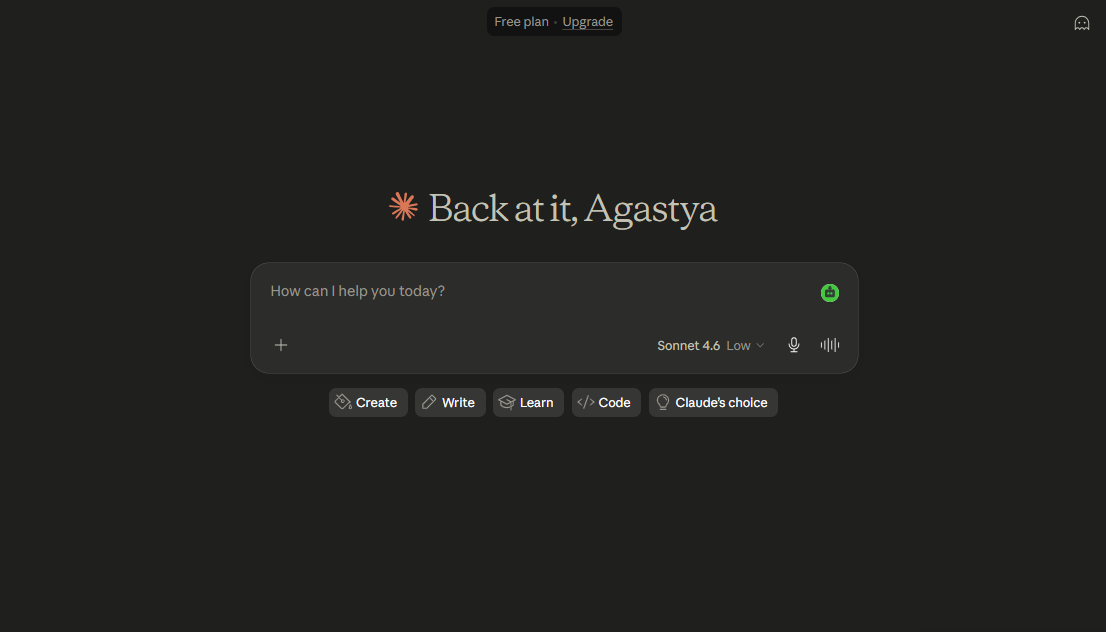
Ask serious writers which ai writing tool they'd keep if forced to choose one, and Claude comes up more than anything else. It reads complex instructions and follows them through. Tone control responds to specific direction rather than averaging it out. Long-form pieces hold together past the 500-word mark in a way most ai content writing tools don't manage. For anyone whose work is substantially writing, it's the most capable ai writing assistant available.
Key Features:
- Long-context understanding that holds complex briefs together across extended outputs
- Tone and voice control that responds to nuanced style instructions
- Strong at editing, rewriting, and summarizing alongside original generation
Pros:
- Highest output quality for long-form writing the gap versus most ai content writing tools is visible
- Follows detailed instructions more reliably than competing platforms
Cons:
- No native SEO software features or keyword workflow built in
- No structured marketing templates for rapid content production
Pricing: Free. Pro: $20/mo. Max 5x: $100/mo. Max 20x: $200/mo.
Who Is It Best For? Writers, researchers, and content teams who need a serious ai article writer for complex, long-form work.
2. ChatGPT: Best All-Purpose AI Content Generator

Nobody gets criticized for recommending ChatGPT. That's not an accident it genuinely handles almost everything. Blog posts, emails, brainstorming, summaries, social captions, code. It won't be the best ai text generator for any single task, but as an all-purpose ai content generator the breadth at this price point is unmatched. The free tier covers most everyday writing tasks. The Plus tier covers almost everything else.
Key Features:
- GPT-4o handles text, images, files, and web browsing in one interface
- Custom GPTs for specialized content workflows
- Memory for maintaining consistent voice across sessions
Pros:
- Most versatile ai text generator available handles virtually any writing task
- Largest ecosystem of integrations, plugins, and custom configurations
Cons:
- Output feels generic without specific, detailed prompting
- No dedicated SEO workflow or keyword optimization built in. Writers must manually track text length and formatting targets using an external word counter to ensure the generated copy hits exact publishing structural requirements.
Pricing: Free. Plus: $20/mo. Team: $30/user/mo. Pro: $200/mo.
Who Is It Best For? Anyone needing a flexible, daily-use ai content generator across varied writing tasks.
3. Jasper AI: Best AI Copywriting Tool for Marketing Teams
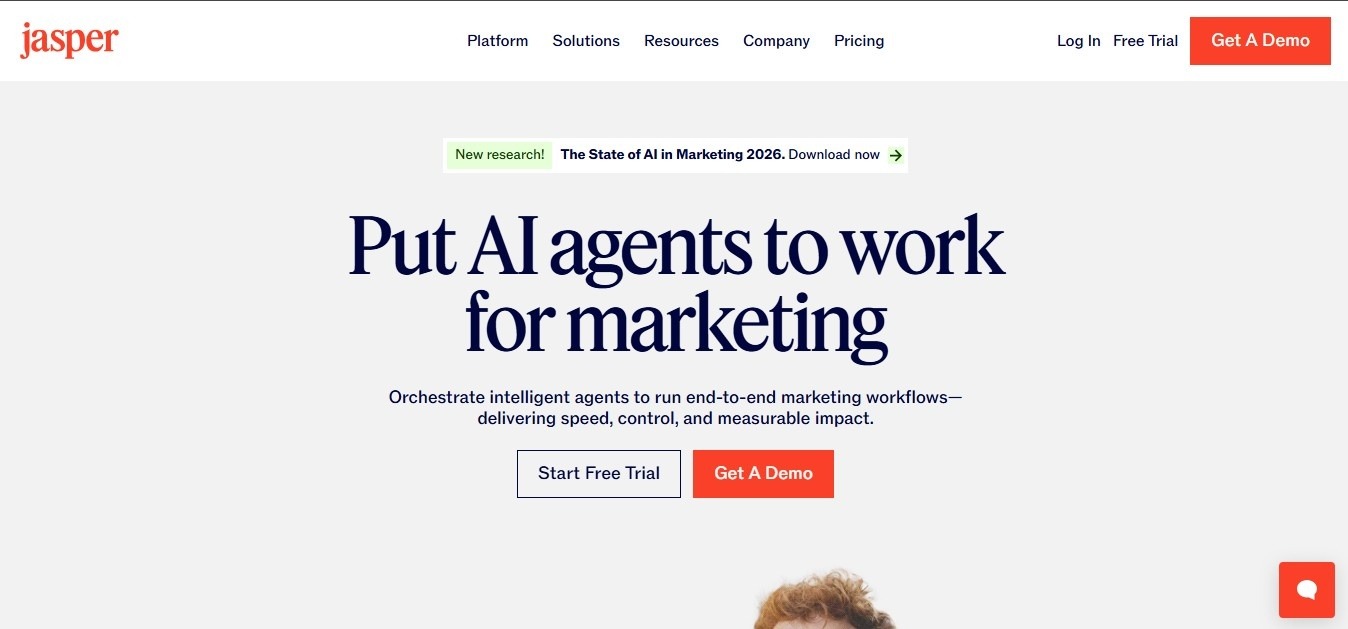
Jasper was never trying to be a general writing tool. Brand voice training keeps outputs consistent regardless of who prompts it. Campaign mode generates coordinated multi-channel content from a single brief. As ai copywriting tools go, it's the most purpose-built option for teams that need brand consistency at scale. The pricing is steep because it's built for teams that feel the ROI.
Key Features:
- Brand voice training outputs stay consistent regardless of who prompts the tool
- Campaign mode generates coordinated multi-channel content from one brief
- 50+ templates for ads, emails, landing pages, and social content
Pros:
- Best ai copywriting tool for brand consistency across high-volume marketing content
- Campaign mode saves real hours on multi-format content production
Cons:
- More expensive than most ai content writing tools hard to justify for solo writers
- AI article writer with SEO mode for keyword-optimized blog content
- Chatsonic with real-time web browsing for current information in content
- 100+ templates covering most ai tools for content creation use cases
- Most capable ai writing tools free tier for beginners functional, not just a preview
- Broad template library covering ai content writing tools for every major content format
- Output consistency drops on complex or nuanced writing tasks
- SEO features are shallower than Surfer SEO
- Workflow builder for automating repetitive short-form copy generation tasks
- Brand voice included on the free plan
- Unlimited words in the chat interface at zero cost
- Fastest ai content creation software for high-volume short-form marketing copy
- One of the better ai content generator free options genuinely usable without paying
- Not built for long-form editorial content or blog writing
- Less capable than Jasper for complex multi-channel campaign workflows
- Story engine for structured plot and chapter development
- Describe feature adds layered sensory detail to scenes automatically
- The rewrite tool generates multiple prose variations of any passage
- The only tool here purpose-built for fiction outputs read as literary, not corporate
- Features address the actual challenges of long-form narrative writing
- No value for business, SEO, or marketing content
- Smaller community and fewer integrations than general-purpose tools
- No permanent free plan 7-day trial only
6. Writesonic: Best AI Writing Tools Free Option for Beginners
Writesonic's free tier doesn't feel like a trial countdown that's the honest version. Blogs, landing pages, product descriptions, social media the full range of ai tools for content writing without a credit card. Chatsonic adds real-time web browsing. For beginners exploring ai tools for content writing without knowing which direction they'll go, it's the most accessible starting point with real depth behind it.
Key Features:
Pros:
Cons:
Pricing: Free. Individual: $39/mo. Teams: $99/mo.
Who Is It Best For? Beginners and freelancers wanting capable ai content writing tools without upfront cost.
7. Copy.ai: Best AI Content Creation Software for Short-Form Copy
One job: marketing copy. Copy.ai was designed for it and does it well headlines, email subject lines, product descriptions, social captions. For ai content creation software focused on short-form output, it moves faster than general-purpose tools. The free plan includes brand voice and genuine word allowance one of the more honest ai content generator free options out there.
Key Features:
Pros:
Cons:
Pricing: Free. Starter: $49/mo. Enterprise: Custom.
Who Is It Best For? Marketers and copywriters producing ad copy, emails, and product listings at volume.
8. Sudowrite: Best AI Writing Tool for Creative Fiction
Every other tool on this list was built around business content. Content writing examples from Sudowrite look completely different in sensory scene description, character voice development, prose variation, and story structure. It was built by fiction writers for fiction writers, and that's visible in every feature. The "describe" tool generates layered physical and emotional detail from a single sentence. The rewrite tool produces variations that read as literary rather than reformatted. As ai content writers for creative work go, nothing else on this list is in the same conversation.
Key Features:
Pros:
Cons:
Pricing: Hobby: $10/mo. Freelancer: $25/mo. Professional: $100/mo.
Who Is It Best For? Novelists, screenwriters, and creative writers who need an ai writing assistant built specifically for fiction.
Quick Comparison Table
Do AI Writing Tools Actually Work?
Yes but not the way the marketing suggests. Content writing examples from teams using AI consistently show the same pattern: the biggest gains come when AI handles structure and first drafts while humans handle voice, judgment, and editing. Teams that treat ai content writers as full replacements consistently produce worse content than teams that treat them as a starting point.
The tools work. How people use them is the variable.
How to Choose the Right AI Writing Tool
Match the tool to what you actually write, not the longest feature list.
Long-form articles Claude or ChatGPT. SEO content Surfer SEO or Writesonic. Marketing copy Jasper for teams, Copy.ai solo. Editing Grammarly. Fiction Sudowrite. Tight budget Writesonic free or ChatGPT free.
The most common mistake is buying a best ai writing tools platform expecting specialist output. Specialists exist on this list match the right one to the right task.
Conclusion
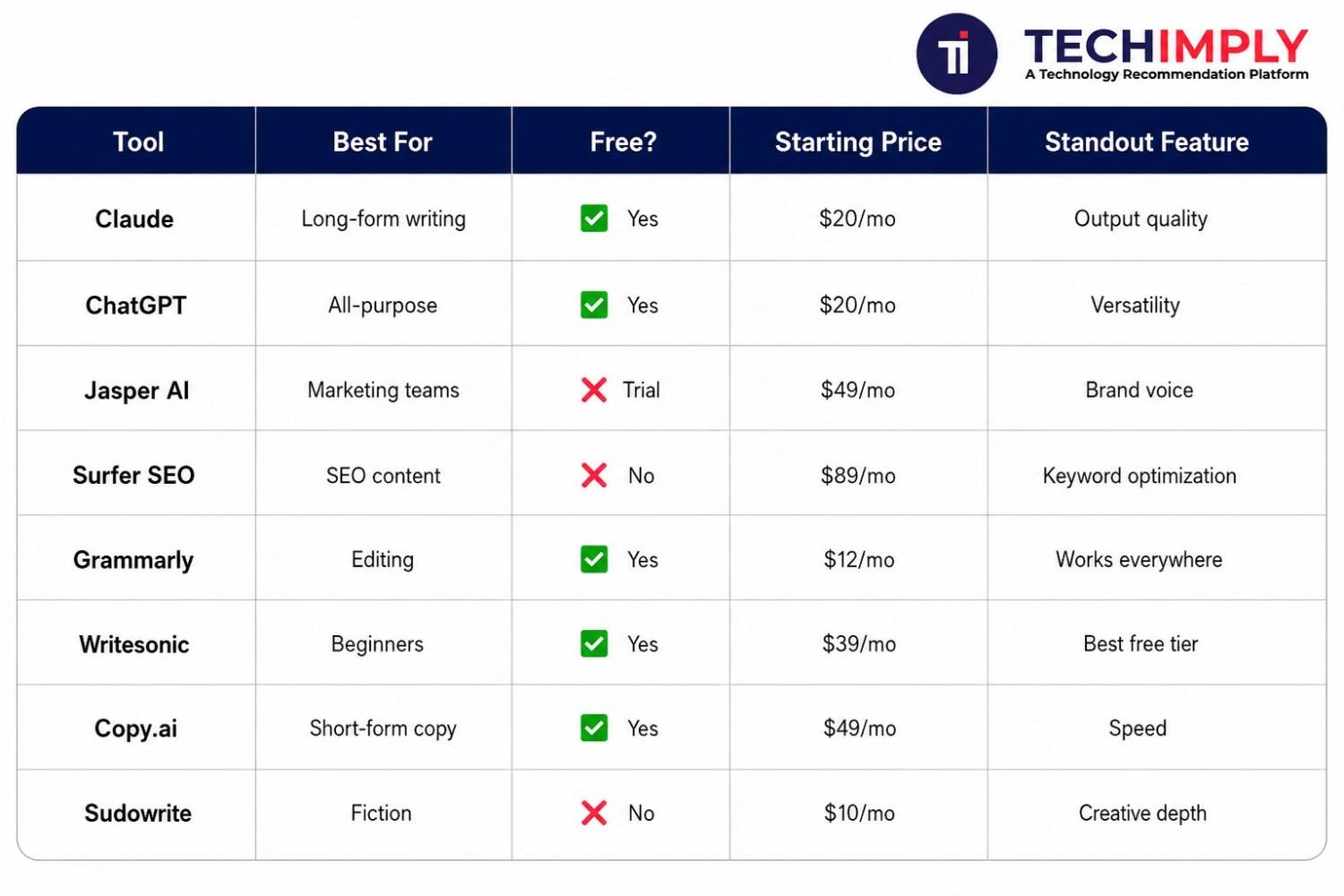
The best ai writing tools in 2026 each own a specific problem. Claude for long-form quality. ChatGPT for versatility. Jasper for marketing teams. Surfer for SEO. Grammarly for editing. Writesonic for value. Copy.ai for short-form speed. Sudowrite for fiction. None of them do everything well. All of them do something better than the alternatives. Start with what you actually write the rest of the decision follows from there.
Pricing: Pro: $59/mo ($49/mo annual). Business: Custom.
Who Is It Best For? Marketing teams producing consistent branded content across multiple channels at scale.
4. Surfer SEO: Best AI Blog Writing Tool for SEO Content
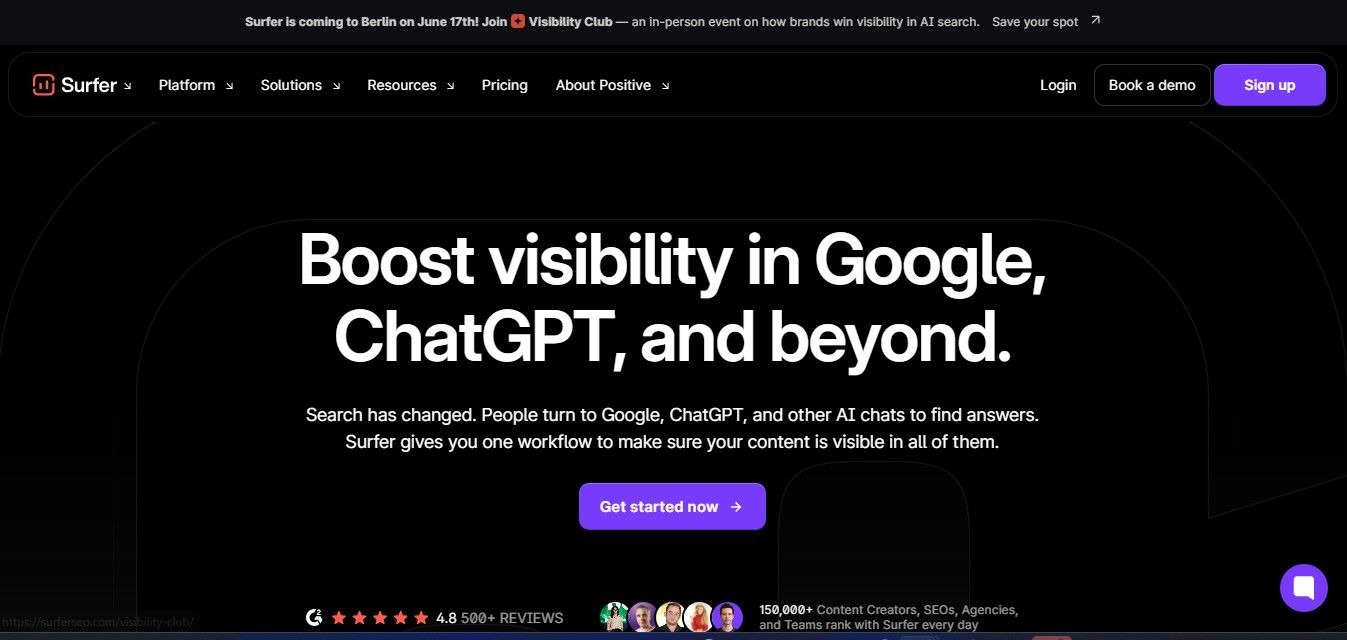
Surfer doesn't start from a blank page it starts from what Google already ranks. Real-time NLP keyword scoring inside the content editor, competitor-based outline generation, topical cluster planning. The whole workflow is anchored in search data rather than assumptions about what readers want. As ai blog writing tools go, nothing on this list competes within its specific purpose. Outside SEO content, the case for it weakens fast.
Key Features:
- Content editor with real-time keyword scoring against top-ranking competitors
- AI outline and draft generation built from competitor analysis
- Topical map builder for planning full content clusters
Pros:
- Best ai tools for content creation when search ranking is the primary objective
- Keyword optimization built directly into the writing process not added afterward
Cons:
- Most expensive tool here hard to justify outside SEO use cases
- Pure readability quality lags behind Claude or ChatGPT
Pricing: Essential: $89/mo. Scale: $129/mo. Enterprise: Custom.
Who Is It Best For? SEO content teams and agencies producing articles specifically built to rank.
5. Grammarly: Best AI Writing Tool for Editing
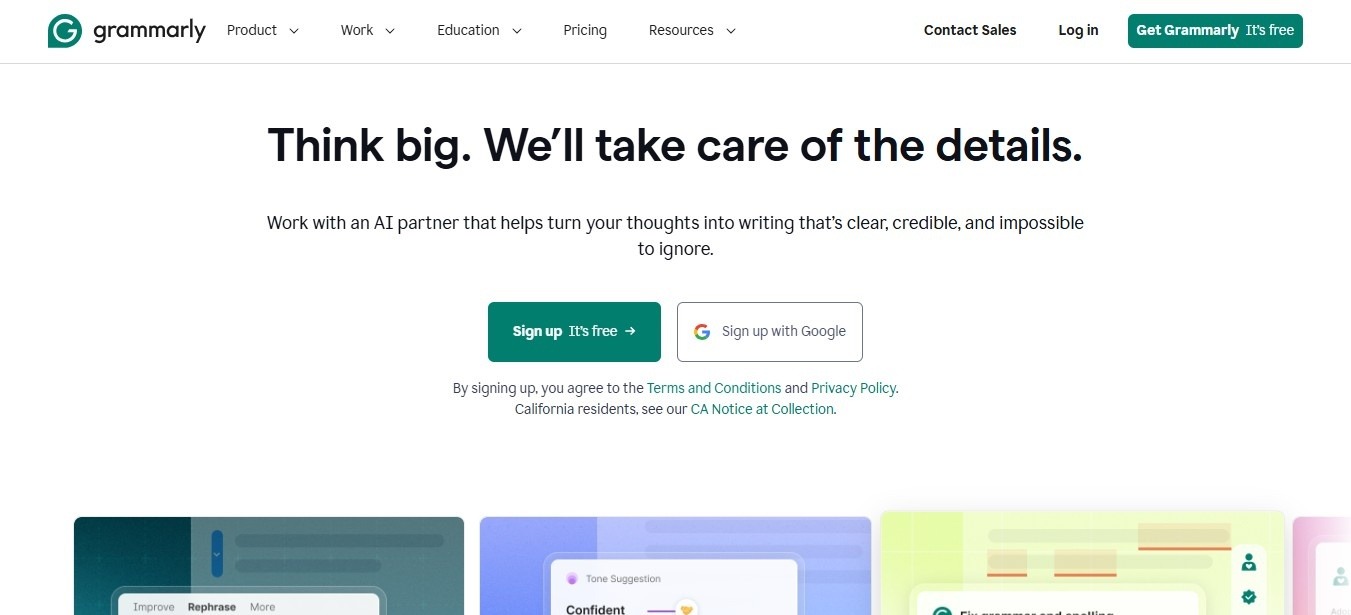
Grammarly doesn't generate content that's worth saying plainly because it gets compared to tools that do and the comparison misses the point. It improves what you've already written: grammar, clarity, tone, and full rewrite suggestions through GrammarlyGO. What makes it uniquely valuable is where it works Gmail, Docs, Word, Slack, and browsers. The most everywhere ai writing assistant on this list.
Key Features:
- Real-time grammar, clarity, and tone suggestions across any application
- GrammarlyGO for AI-generated rewrites, tone adjustments, and paragraph suggestions
- Plagiarism detection on Premium and Business plans
Pros:
- Works across every writing surface, the most ubiquitous ai writing assistant on this list
- Editing quality that content generation tools simply can't replicate
Cons:
- Free version is limited the genuinely useful features sit behind paid plans
- Long-form generation quality doesn't match Claude or ChatGPT
Pricing: Free. Pro: $12/mo (annual). Business: $15/user/mo.
Who Is It Best For? Writers and professionals who need an always-on editing layer more than a content generator.
6. Writesonic: Best AI Writing Tools Free Option for Beginners

Writesonic's free tier doesn't feel like a trial countdown that's the honest version. Blogs, landing pages, product descriptions, social media the full range of ai tools for content writing without a credit card. Chatsonic adds real-time web browsing. For beginners exploring ai tools for content writing without knowing which direction they'll go, it's the most accessible starting point with real depth behind it.
Key Features:
- AI article writer with SEO mode for keyword-optimized blog content
- Chatsonic with real-time web browsing for current information in content
- 100+ templates covering most ai tools for content creation use cases
Pros:
- Most capable ai writing tools free tier for beginners functional, not just a preview
- Broad template library covering ai content writing tools for every major content format
Cons:
- Output consistency drops on complex or nuanced writing tasks
- SEO features are shallower than Surfer SEO
Pricing: Free. Individual: $39/mo. Teams: $99/mo.
Who Is It Best For? Beginners and freelancers wanting capable ai content writing tools without upfront cost.
7. Copy.ai: Best AI Content Creation Software for Short-Form Copy
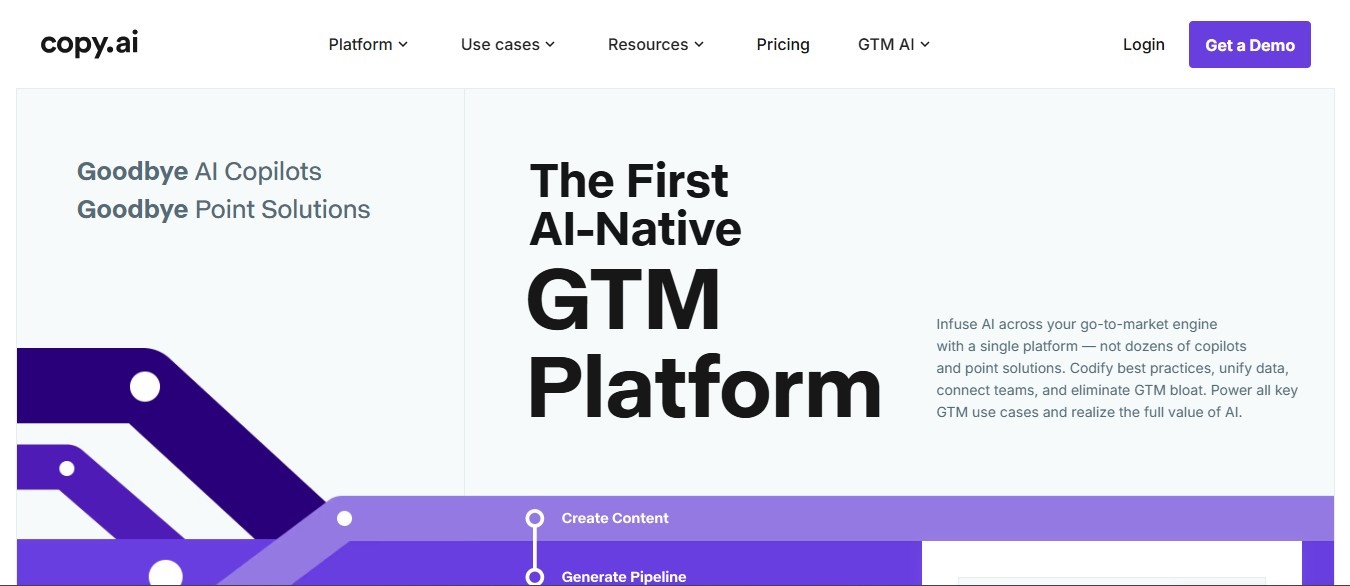
One job: marketing copy. Copy.ai was designed for it and does it well headlines, email subject lines, product descriptions, social captions. For ai content creation software focused on short-form output, it moves faster than general-purpose tools. The free plan includes brand voice and genuine word allowance one of the more honest ai content generator free options out there.
Key Features:
- Workflow builder for automating repetitive short-form copy generation tasks
- Brand voice included on the free plan
- Unlimited words in the chat interface at zero cost
Pros:
- Fastest ai content creation software for high-volume short-form marketing copy
- One of the better ai content generator free options genuinely usable without paying
Cons:
- Not built for long-form editorial content or blog writing
- Less capable than Jasper for complex multi-channel campaign workflows
Pricing: Free. Starter: $49/mo. Enterprise: Custom.
Who Is It Best For? Marketers and copywriters producing ad copy, emails, and product listings at volume.
8. Sudowrite: Best AI Writing Tool for Creative Fiction
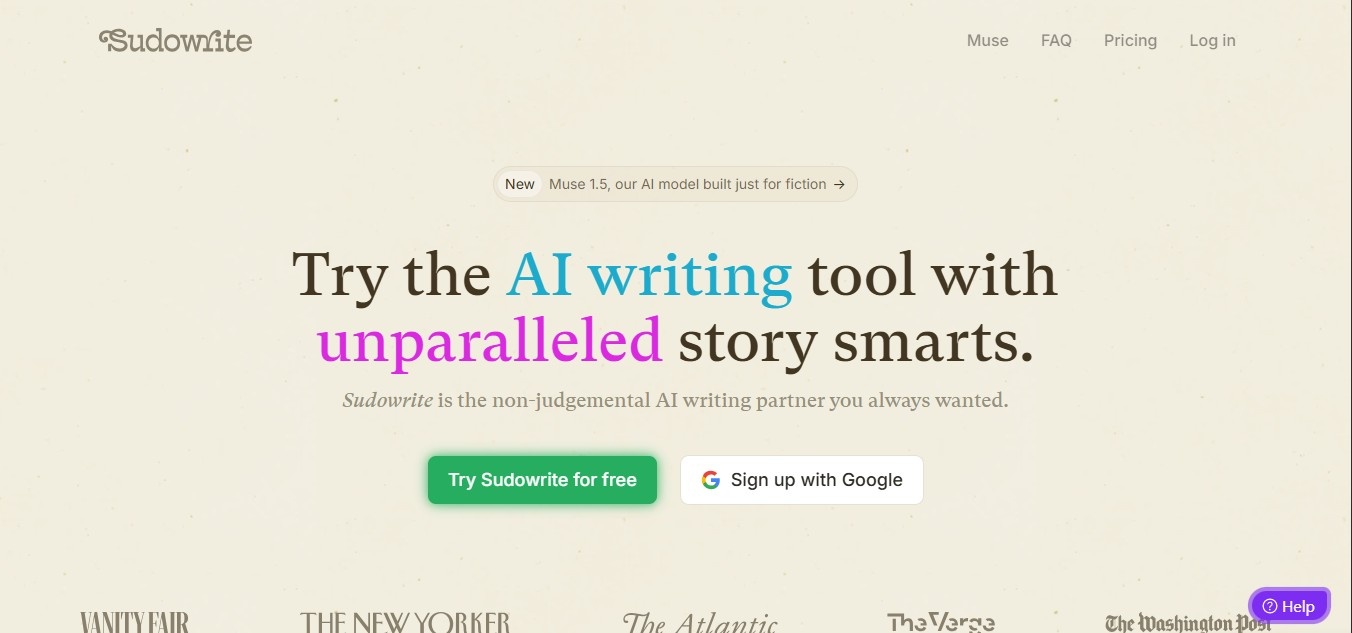
Every other tool on this list was built around business content. Content writing examples from Sudowrite look completely different in sensory scene description, character voice development, prose variation, and story structure. It was built by fiction writers for fiction writers, and that's visible in every feature. The "describe" tool generates layered physical and emotional detail from a single sentence. The rewrite tool produces variations that read as literary rather than reformatted. As ai content writers for creative work go, nothing else on this list is in the same conversation.
Key Features:
- Story engine for structured plot and chapter development
- Describe feature adds layered sensory detail to scenes automatically
- The rewrite tool generates multiple prose variations of any passage
Pros:
- The only tool here purpose-built for fiction outputs read as literary, not corporate
- Features address the actual challenges of long-form narrative writing
Cons:
- No value for business, SEO, or marketing content
- Smaller community and fewer integrations than general-purpose tools
Pricing: Hobby: $10/mo. Freelancer: $25/mo. Professional: $100/mo.
Who Is It Best For? Novelists, screenwriters, and creative writers who need an ai writing assistant built specifically for fiction.
Quick Comparison Table
Do AI Writing Tools Actually Work?
Yes but not the way the marketing suggests. Content writing examples from teams using AI consistently show the same pattern: the biggest gains come when AI handles structure and first drafts while humans handle voice, judgment, and editing. Teams that treat ai content writers as full replacements consistently produce worse content than teams that treat them as a starting point.
The tools work. How people use them is the variable.
How to Choose the Right AI Writing Tool
Match the tool to what you actually write, not the longest feature list.
Long-form articles Claude or ChatGPT. SEO content Surfer SEO or Writesonic. Marketing copy Jasper for teams, Copy.ai solo. Editing Grammarly. Fiction Sudowrite. Tight budget Writesonic free or ChatGPT free.
The most common mistake is buying a best ai writing tools platform expecting specialist output. Specialists exist on this list match the right one to the right task.
Conclusion
The best ai writing tools in 2026 each own a specific problem. Claude for long-form quality. ChatGPT for versatility. Jasper for marketing teams. Surfer for SEO. Grammarly for editing. Writesonic for value. Copy.ai for short-form speed. Sudowrite for fiction. None of them do everything well. All of them do something better than the alternatives. Start with what you actually write the rest of the decision follows from there.